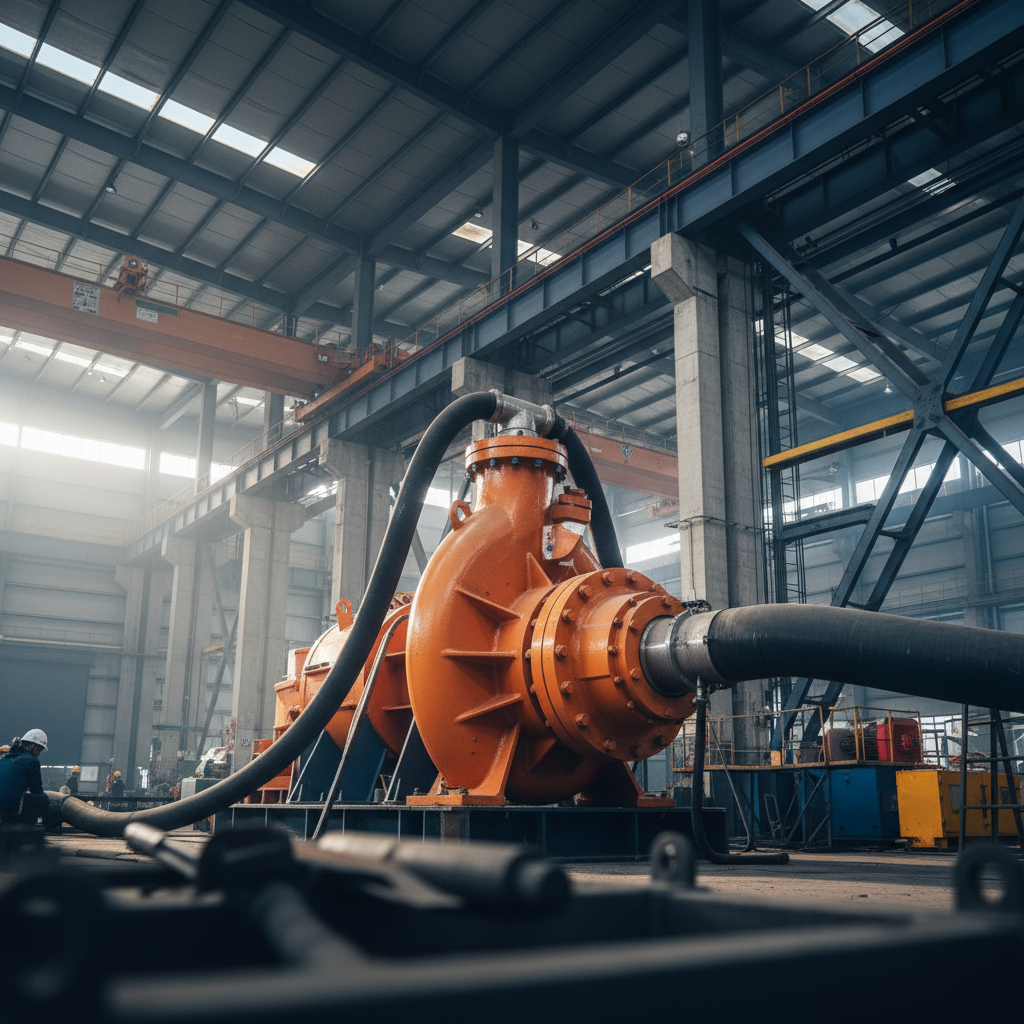
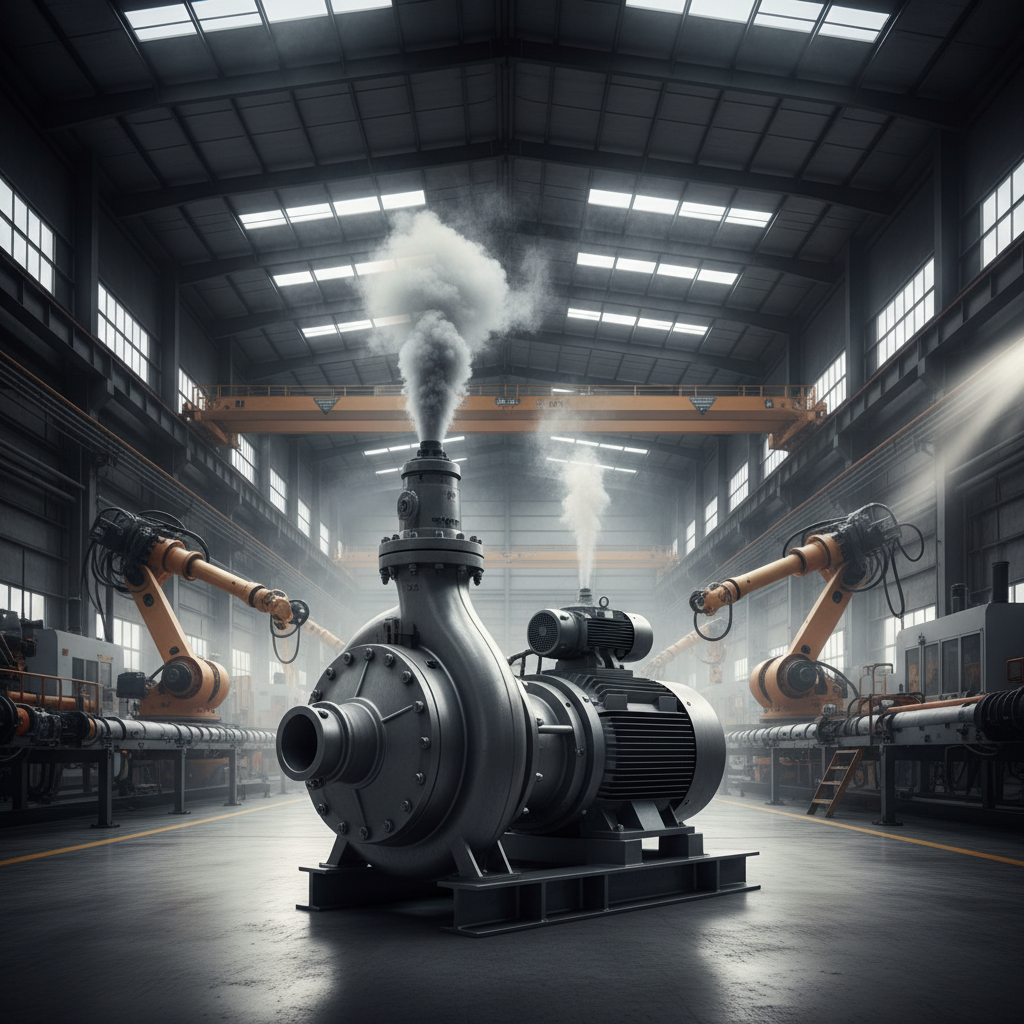
Slurry suction pumps are critical components in a wide range of industrial applications, responsible for efficiently moving abrasive and dense fluids. These pumps are not merely fluid movers; they represent a core technology enabling progress in mining, wastewater treatment, dredging, and numerous other sectors globally. Understanding their functionalities, applications, and maintenance is paramount for optimizing operational efficiency and minimizing downtime.
The global demand for robust and reliable slurry suction pumps is constantly increasing, driven by factors such as expanding infrastructure projects, stricter environmental regulations, and the growing need for resource extraction. The market is characterized by ongoing innovation in materials science, hydraulic design, and pump control systems. Successfully navigating this landscape requires a comprehensive understanding of the various pump types and their suitability for specific applications.
Investing in the right slurry suction pump is crucial for businesses seeking to enhance productivity and reduce operational costs. Choosing a pump that’s specifically engineered for the challenging conditions of slurry handling can yield significant returns over the pump’s lifespan.
Understanding Slurry Suction Pump Technology
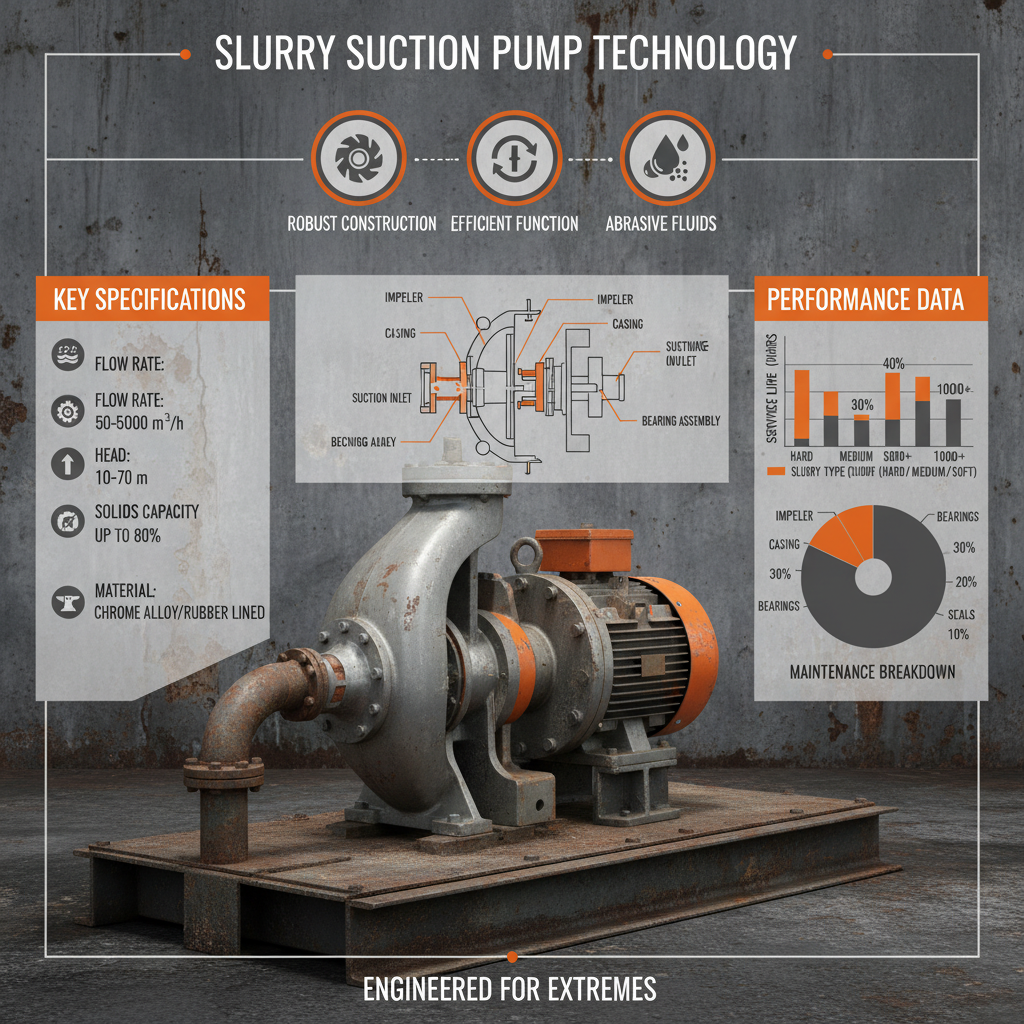
The core function of a slurry suction pump is to move abrasive liquids, often containing solid particles, from one location to another. These pumps are specifically designed to withstand the wear and tear associated with handling these harsh materials, utilizing robust construction and specialized impeller designs. Selecting the appropriate pump depends heavily on the slurry's characteristics – particle size, concentration, and abrasiveness.
Understanding the nuances of slurry flow is also crucial. Factors like slurry viscosity, density, and flow rate dramatically impact pump performance. Optimizing these parameters ensures efficient operation and minimizes the risk of blockages or premature wear.
Defining Slurry Suction Pumps and Their Importance
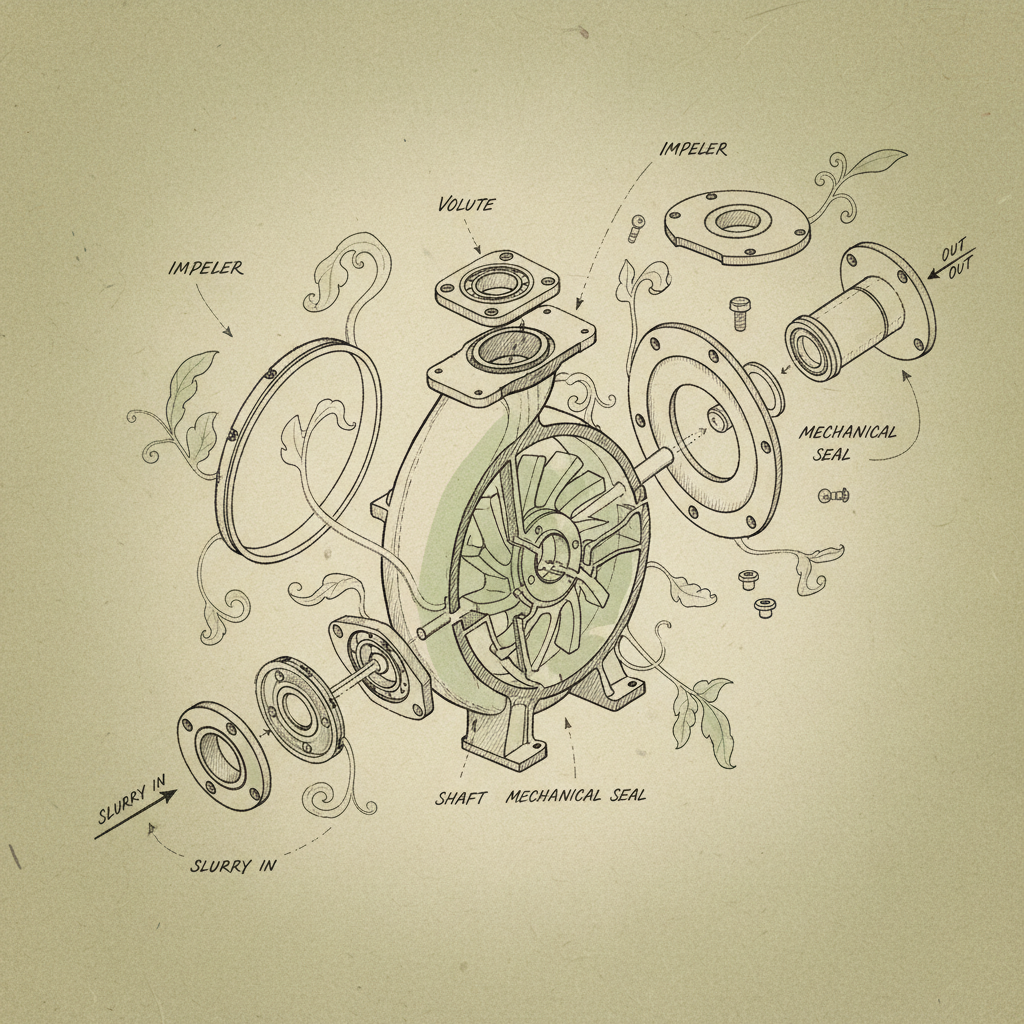
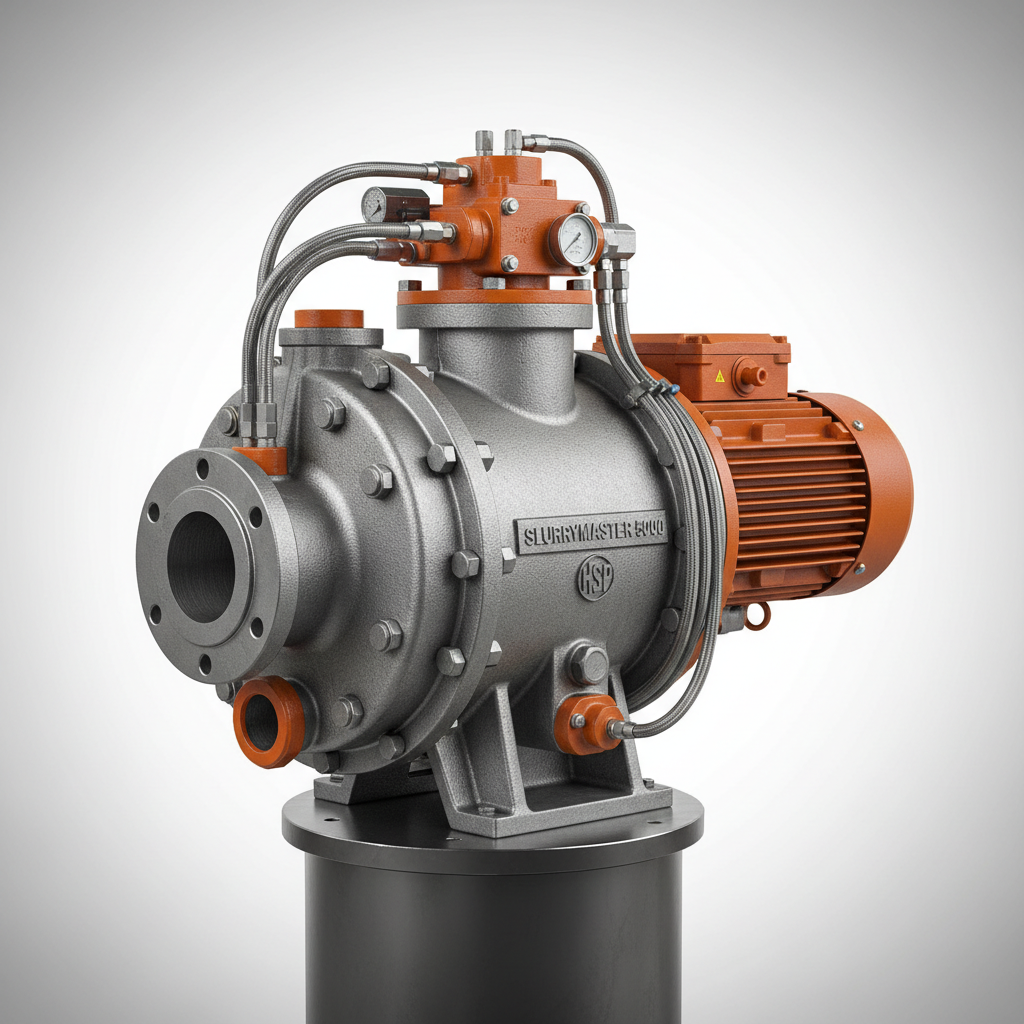
A slurry suction pump is a type of centrifugal pump engineered specifically to handle mixtures of liquids and solid particles. Unlike standard pumps that are easily damaged by abrasive materials, slurry pumps utilize hardened components and robust designs to withstand continuous exposure to these demanding conditions. These pumps play an essential role in numerous industries.
The importance of reliable slurry handling cannot be overstated. In mining operations, for example, these pumps are critical for transporting ore from underground to processing plants. In wastewater treatment, they move sludge and debris efficiently. Without effective slurry handling, entire industrial processes could grind to a halt, leading to significant financial losses.
Modern industrial processes increasingly rely on efficient and reliable slurry handling. The use of slurry suction pumps is not just a convenience; it's a fundamental requirement for maintaining productivity and complying with environmental regulations.
Core Characteristics of Effective Slurry Suction Pumps
Durability is perhaps the most crucial characteristic of a quality slurry suction pump. Pumps designed for slurry service employ materials like high-chrome alloys, ceramics, or rubber linings to resist abrasion and corrosion. This extended pump life results in lower maintenance costs and minimized downtime.
Efficient Hydraulic Design is also vital. Impeller design plays a pivotal role in maximizing pump efficiency and reducing energy consumption. Specifically designed impellers minimize turbulence and prevent solids from settling, ensuring a consistent and reliable flow rate.
Ease of Maintenance is a often overlooked but important factor. Slurry pumps should be designed for straightforward disassembly and maintenance, allowing for quick and efficient replacement of worn components. This minimizes downtime and reduces overall operational costs.
Global Applications of Slurry Suction Pumps
Slurry suction pumps find widespread application across numerous industries worldwide. The mining sector is a significant consumer, utilizing these pumps for ore transportation, tailings management, and dewatering operations. Large-scale mining operations in Australia, Chile, and South Africa rely heavily on robust slurry pump technology.
The wastewater treatment industry also utilizes slurry pumps extensively for handling sludge, screenings, and grit. Municipal wastewater treatment plants across Europe and North America utilize these pumps to ensure efficient and compliant operation.
Furthermore, the dredging industry relies on slurry suction pumps for moving sediment and maintaining navigable waterways. Major port and harbor projects around the globe depend on the consistent and reliable performance of these pumps.
Slurry Suction Pump Application Distribution
Advantages and Long-Term Value Proposition
Investing in a high-quality slurry suction pump offers numerous advantages, extending far beyond initial cost considerations. Reduced maintenance requirements translate directly into lower operational expenses, minimizing downtime and maximizing productivity. This leads to a significant return on investment over the pump’s lifespan.
Enhanced operational reliability is another key benefit. Properly selected and maintained slurry pumps provide a consistent and dependable flow, contributing to the stability and efficiency of entire industrial processes. This reliability translates to increased output and reduced risk of costly disruptions.
Future Trends in Slurry Suction Pump Technology
The future of slurry suction pump technology is centered around increasing efficiency, reducing environmental impact, and embracing digital integration. Developments in materials science are leading to the creation of even more durable and abrasion-resistant pump components, extending pump life and reducing maintenance.
Smart pump technologies, incorporating sensors and data analytics, are gaining traction. These systems allow for real-time monitoring of pump performance, predictive maintenance scheduling, and optimized energy consumption, further enhancing efficiency and reducing costs.
A focus on sustainability is driving innovation in pump design, with manufacturers exploring options for reducing water consumption and minimizing energy usage.
Challenges and Innovative Solutions
A primary challenge in slurry pump operation is dealing with abrasive wear and the resulting degradation of pump components. Traditional solutions involve frequent replacement of worn parts, which can be costly and disruptive.
Innovative solutions include the development of advanced materials with enhanced abrasion resistance, such as tungsten carbide and silicon carbide composites. These materials significantly extend component life, reducing the frequency of replacements.
Another challenge is preventing blockages caused by large solids within the slurry. Optimized impeller designs and the implementation of automated cleaning systems can effectively mitigate this issue.
Summary of Slurry Pump Challenges and Solutions
| Challenge |
Impact on Operation |
Traditional Solution |
Innovative Solution |
| Abrasive Wear |
Reduced Pump Life, Increased Maintenance |
Frequent Component Replacement |
Advanced Materials (Tungsten Carbide) |
| Slurry Blockages |
Reduced Flow Rate, Pump Shutdown |
Manual Clearing |
Optimized Impeller Design, Automated Cleaning |
| Corrosion |
Component Failure, Leakage |
Corrosion-Resistant Alloys |
Advanced Polymer Coatings |
| Energy Consumption |
High Operating Costs |
Standard Pump Designs |
Variable Frequency Drives, Efficient Impellers |
| Limited Monitoring |
Reactive Maintenance, Unexpected Failures |
Scheduled Inspections |
Smart Sensors, Real-Time Data Analysis |
| Slurry Settling |
Reduced Pumping Efficiency |
Increased Flow Velocity |
Optimized Pump Geometry, Agitation Systems |
FAQS
For highly abrasive slurries, high-chrome alloys are generally considered the best option due to their excellent wear resistance. Tungsten carbide is even more durable but comes at a significantly higher cost. Rubber linings can be effective for certain slurries, but they may not be suitable for all applications. The ideal material depends on the specific slurry composition and particle characteristics.
Regular inspection is critical for maintaining slurry pump performance and preventing costly failures. A visual inspection should be conducted monthly, checking for signs of wear on the impeller, liner, and seals. More detailed inspections, including flow rate and pressure measurements, should be performed quarterly or semi-annually, depending on the severity of the application.
Several key factors must be considered: slurry composition (particle size, concentration, abrasiveness), flow rate, head pressure, and operating environment. Pump material, impeller design, and sealing systems are also crucial considerations. Consulting with a slurry pump specialist can help ensure you select the right pump for your specific application.
Optimizing impeller design to prevent solids from settling is a crucial step. Implementing a coarse screen or strainer upstream of the pump can also remove larger debris. Regularly flushing the pump and pipeline can help prevent buildup. For particularly challenging slurries, consider using a pump with a self-priming feature.
The volute liner protects the pump casing from abrasion caused by the slurry. It’s a replaceable component designed to absorb the impact of solid particles, extending the lifespan of the pump. Selecting the appropriate liner material, based on the slurry’s characteristics, is vital for maximizing wear resistance.
Pump speed directly impacts flow rate and head pressure. Increasing the speed generally increases flow rate but can also lead to increased wear and reduced efficiency. Lowering the speed can reduce wear but may not provide sufficient flow for the application. Variable frequency drives (VFDs) allow for precise speed control, optimizing pump performance based on changing conditions.
Conclusion
In conclusion, slurry suction pumps are indispensable components in a wide range of industrial processes. Understanding their fundamental principles, selecting the right pump for the application, and implementing effective maintenance strategies are paramount for ensuring reliable and efficient operation. Investing in quality pumps and prioritizing preventative maintenance translates to reduced costs, increased productivity, and a prolonged pump lifespan.
Looking forward, the future of slurry pump technology will be driven by innovation in materials science, smart pump technologies, and a growing emphasis on sustainability. By embracing these advancements, industries can further optimize their slurry handling processes, minimize environmental impact, and achieve long-term operational success. For optimal solutions, visit our website: www.kingmechpump.com