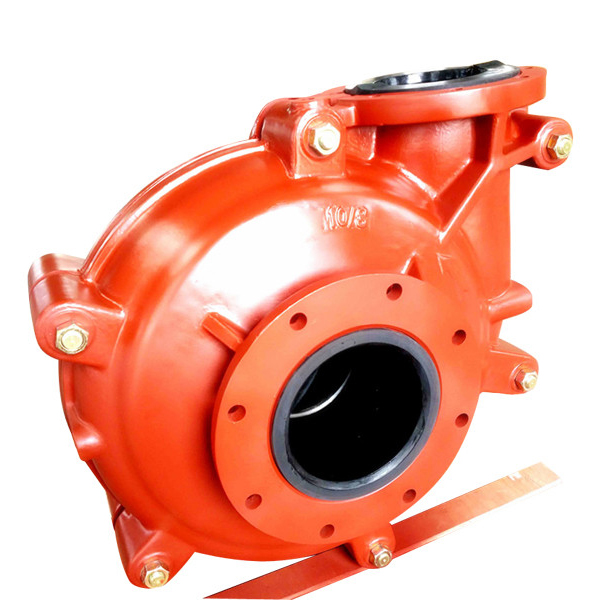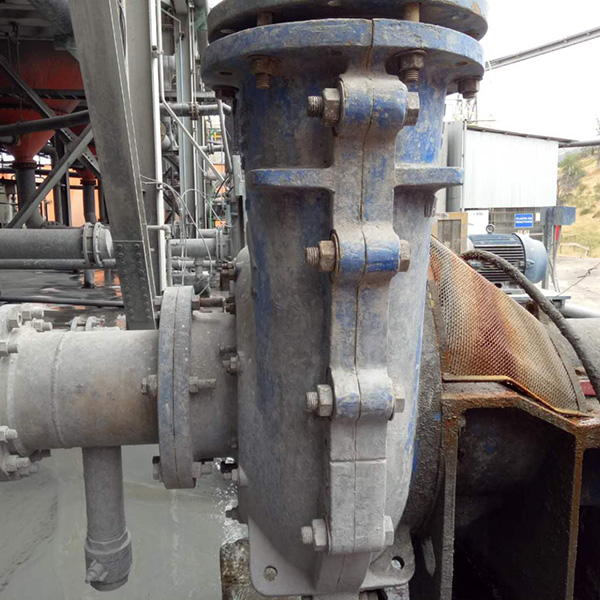
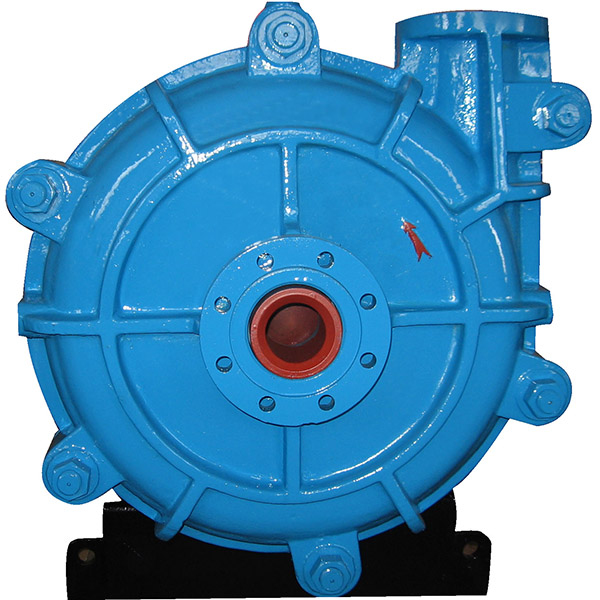
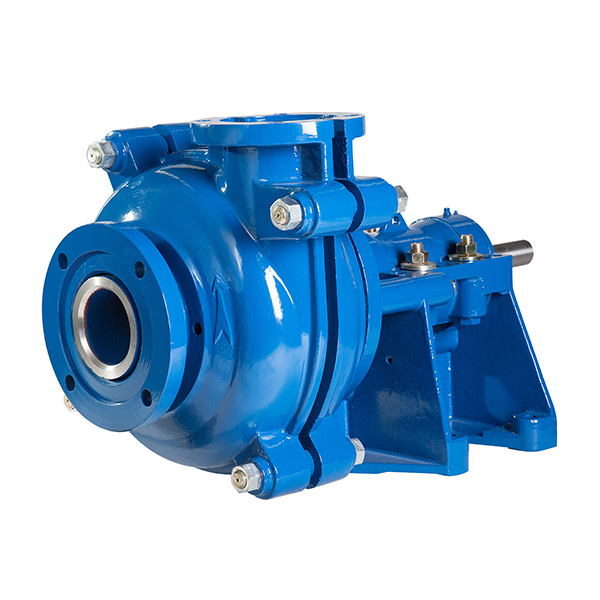
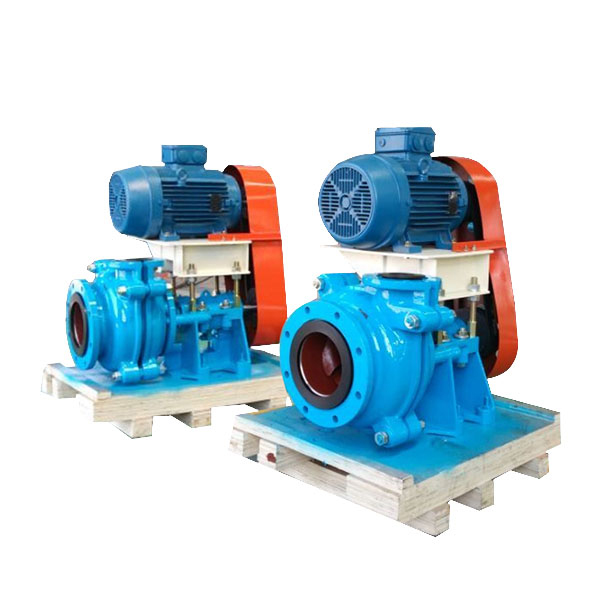
Industrial Grade heavy sludge pump Solutions for Mexico

High-performance slurry handling systems engineered for the rigorous demands of Mexican mining, construction, and lithium extraction industries.

Industrial Grade heavy sludge pump Solutions for Mexico

Providing specialized fluid transport systems designed to withstand the highly abrasive and corrosive environments typical of Mexico's heavy industrial sectors.

Industrial Fluid Challenges in Mexico

Analyzing the operational environment of slurry transport in the Mexican market.

Mexico's industrial landscape is characterized by an aggressive expansion in mining and energy. The geographic diversity, from the arid highlands to coastal industrial zones, demands equipment like the dirty water slurry pump that can handle varying viscosities and high sediment loads without frequent failure.

In the northern regions, the surge in battery mineral processing has created a critical need for specialized lithium slurry pump systems. These operations require materials that can resist chemical corrosion while maintaining high volumetric efficiency under extreme temperature fluctuations.

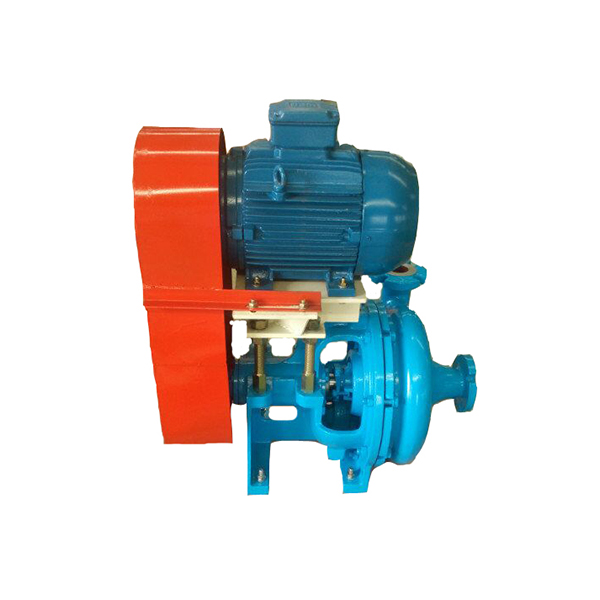
Furthermore, the remote nature of many Mexican extraction sites makes power availability a challenge. This has led to a significant reliance on the engine driven slurry pump, allowing operators to maintain productivity in off-grid locations where electrical infrastructure is insufficient.
Evolution of Slurry Pumping Technology

From basic cast iron impellers to advanced ceramic composite engineering.

Market Development History

During the 1990s and early 2000s, the Mexican market relied heavily on standard centrifugal pumps. However, these often failed prematurely due to the high silica content in local ores, leading to excessive downtime and maintenance costs.

By 2010, the transition toward hard-alloy liners began. The introduction of high-chrome cast iron significantly extended the life of pumps handling abrasive materials, though the industry still struggled with the most aggressive chemical slurries.

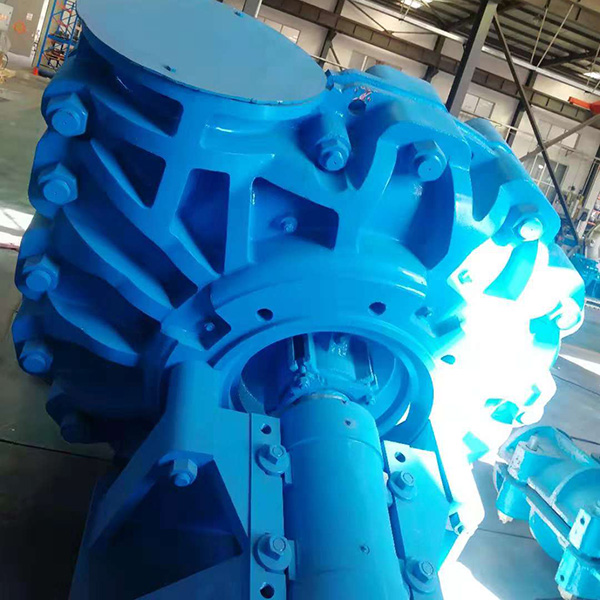
From 2018 to the present, there has been a paradigm shift toward ultra-wear-resistant materials. The adoption of the ceramic slurry pump has revolutionized the sector, offering unparalleled resistance to abrasion and corrosion for high-precision industrial applications.

Future Development Trends

Smart Monitoring Integration

Future systems will integrate IoT sensors to monitor impeller wear in real-time, reducing unexpected failures in critical Mexican mining pipelines.

Eco-Friendly Power Sources

There is a growing trend toward hybrid-drive systems to replace traditional diesel engines, reducing the carbon footprint of remote site operations.

Advanced Nano-Coatings

The development of graphene-enhanced linings will likely replace current standards, further extending the service life of pumps in high-velocity slurry environments.

Future Trends and Strategic Outlook

Forecasting the trajectory of pump technology for the North American market.

Material Innovation
Shift toward silicon carbide and ceramic composites to handle extreme abrasion in mining.
Energy Optimization
Implementing VFDs to reduce power consumption during variable load slurry transport.
Predictive Maintenance
Using AI to predict liner wear, minimizing downtime for heavy sludge operations.
Modular Design
Quick-swap components for faster field repairs in remote Mexican regions.

Industry Outlook

Based on Google search trends in the North American industrial sector, there is a rising demand for "corrosion-resistant slurry pumps" and "automated sludge handling." This indicates a shift toward higher automation and specialized metallurgy.

We anticipate that within the next 3-5 years, the Mexican market will transition from simple disposal systems to resource-recovery systems, requiring pumps that can handle complex chemical slurries with high precision.

Localized Application Scenarios in Mexico

Real-world implementations across Mexico's diverse industrial landscape.

01. Silver and Gold Mining in Zacatecas

Utilizing the ceramic slurry pump to transport highly abrasive tailings, significantly reducing impeller wear and maintenance cycles in deep-pit operations.

02. Lithium Brine Extraction in Sonora

Implementing specialized lithium slurry pump units to handle corrosive chemical mixtures during the evaporation and processing phase of lithium production.

03. Municipal Sewage Treatment in Mexico City

Deploying the dirty water slurry pump for the movement of thick urban sludge and wastewater, ensuring continuous operation despite high debris levels.

04. Remote Oil Sands Recovery in Gulf Regions

Using the engine driven slurry pump for temporary dredging and sludge movement where electrical power grids are unavailable.

05. Industrial Wastewater Management in Monterrey

Applying the heavy sludge pump to manage industrial runoff and thickened sludge in large-scale manufacturing complexes.

Brand Story

Global Development Journey of Hebei Xiangmai Pump Industry Co., Ltd.

Foundation and Engineering Focus

Established with a mission to solve the most difficult fluid transport problems, we focused on the intersection of metallurgy and fluid dynamics.

Material Science Breakthrough

Developed proprietary ceramic and high-chrome alloy blends to tackle the specific pain point of rapid wear in slurry applications.

Global Market Expansion

Extended our reach to North America, tailoring our pump designs to meet the rigorous standards of the Mexican and US mining industries.

Innovation in Slurry Technology

Launched a new generation of lithium-specific and engine-driven pumps to support the global energy transition and remote operations.

Commitment to Sustainability

Now focusing on energy-efficient pump designs that reduce the environmental impact of heavy industrial slurry transport worldwide.

Comprehensive Slurry Pump Portfolio for Mexico

A full range of pumping solutions tailored for Mexican mining, chemical, and municipal infrastructure.

Frequently Asked Questions - Mexico Market

Expert answers to common technical queries regarding slurry pump selection and maintenance.

Which ceramic slurry pump is best for abrasive gold mine tailings in Mexico?

For high-silica gold tailings, we recommend pumps with silicon carbide linings and high-chrome impellers, providing the best balance between hardness and impact resistance.

How does a dirty water slurry pump differ from a standard wastewater pump?

A dirty water slurry pump is specifically engineered with wear-resistant materials and wider clearances to prevent clogging from solids and withstand abrasive particles that would destroy standard pumps.

Are engine driven slurry pumps suitable for remote Sonora mining sites?

Yes, they are ideal. Our diesel-powered units provide high torque and reliability in locations where electrical infrastructure is unavailable, ensuring continuous sludge movement.

What is the maintenance interval for a heavy sludge pump in industrial use?

Intervals vary by slurry concentration, but our heavy-duty models typically require liner inspections every 3,000 to 5,000 operational hours depending on the abrasive nature of the fluid.

Can a lithium slurry pump handle highly acidic chemical compositions?

Absolutely. Our lithium-series pumps use specialized corrosion-resistant alloys and ceramic linings designed specifically to resist the chemical attack of lithium processing reagents.

How do I choose between a ceramic and a chrome alloy slurry pump?

Choose ceramic for maximum abrasion resistance and chemical stability. Choose chrome alloy for applications with higher impact loads where ceramic may be too brittle.

Ready to Optimize Your Fluid Handling?

Get a customized technical consultation for your industrial projects in Mexico.

Contact Us Now
tel
email
tel
goTop

If you are interested in our products, you can choose to leave your information here, and we will be in touch with you shortly.