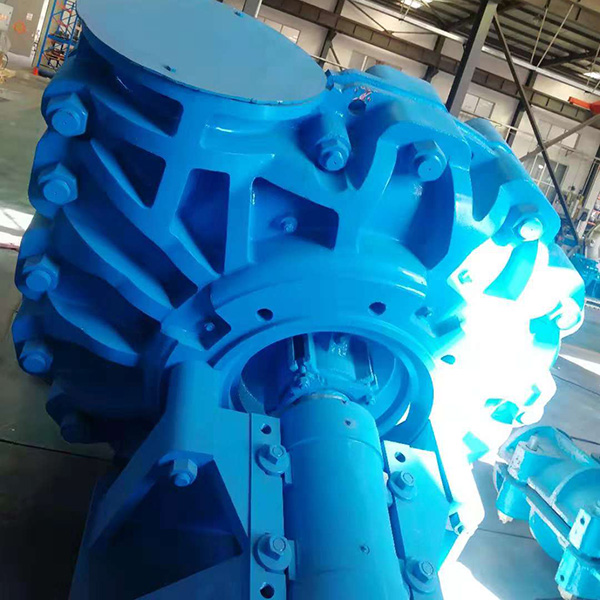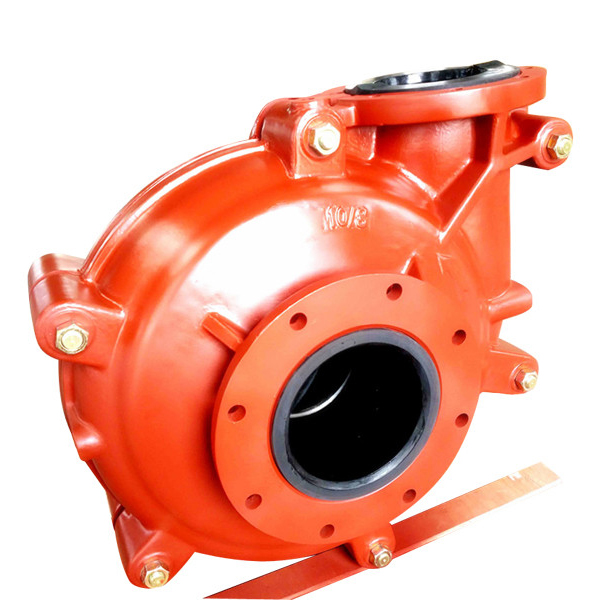
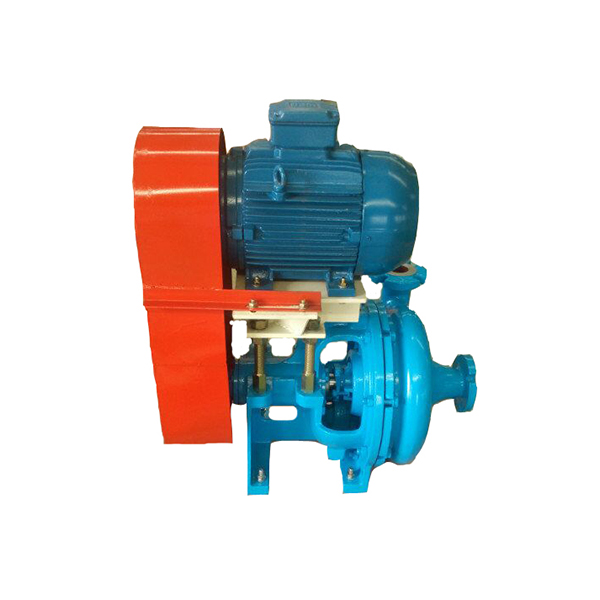
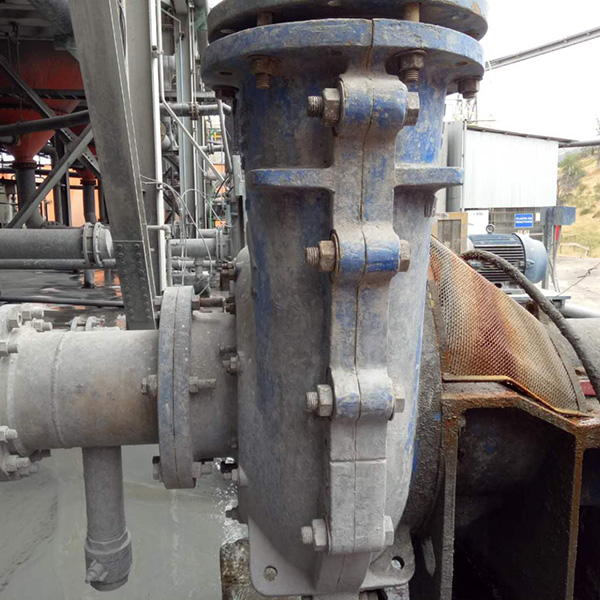
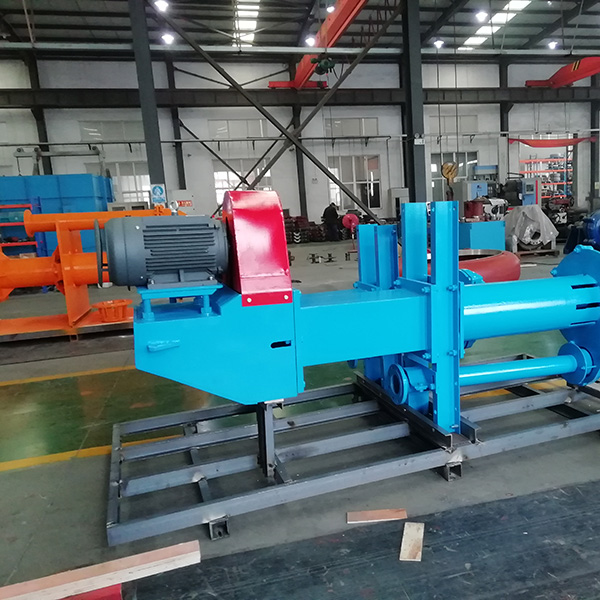
Industrial Slurry Management Solutions for Israel with heavy sludge pump

High-performance pumping engineering designed for Israel's demanding mining, desalination, and chemical processing industries.

Industrial Slurry Management Solutions for Israel with heavy sludge pump

Providing cutting-edge fluid handling technology to overcome the challenges of abrasive materials and high-viscosity fluids across Israeli industrial zones.

Current State of Industrial Pumping in Israel

Analyzing the intersection of arid climate challenges and advanced industrial requirements.

Israel's industrial landscape is characterized by a high demand for efficiency in water scarcity environments. In the Negev and coastal regions, the need for a robust dirty water slurry pump is critical for wastewater treatment and desalination brine management, where salt crystallization often leads to premature equipment wear.

The region's growing chemical and pharmaceutical sectors have accelerated the adoption of specialized equipment. The precise transport of abrasive mineral pastes now requires the integration of a ceramic slurry pump to ensure zero contamination and maximum resistance to chemical corrosion in high-tech manufacturing hubs.

Furthermore, Israel's remote infrastructure projects and agricultural drainage systems often lack stable power grids, driving the demand for an engine driven slurry pump to maintain operational continuity in rugged terrains and emergency flood control scenarios.
Evolution and Trajectory of Slurry Technology

From basic mechanical lifting to intelligent, material-specific fluid dynamics.

Market Development History

In the early 2000s, the Israeli market relied primarily on standard centrifugal pumps, which suffered from high failure rates when handling abrasive desert sands and mineral deposits. Maintenance cycles were frequent and costly.

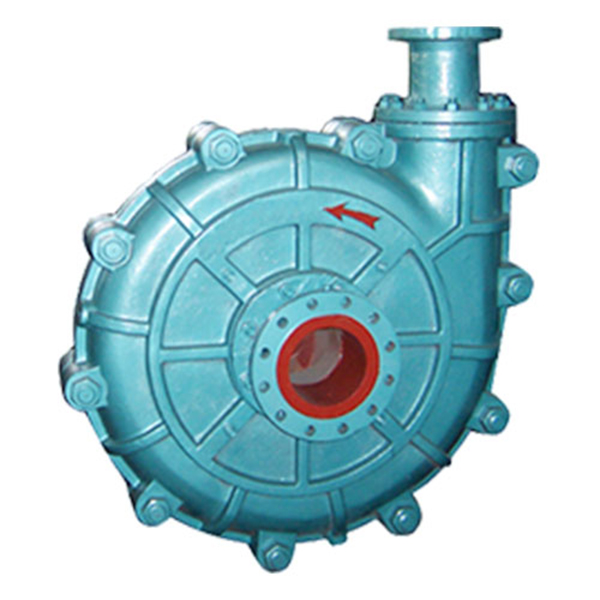
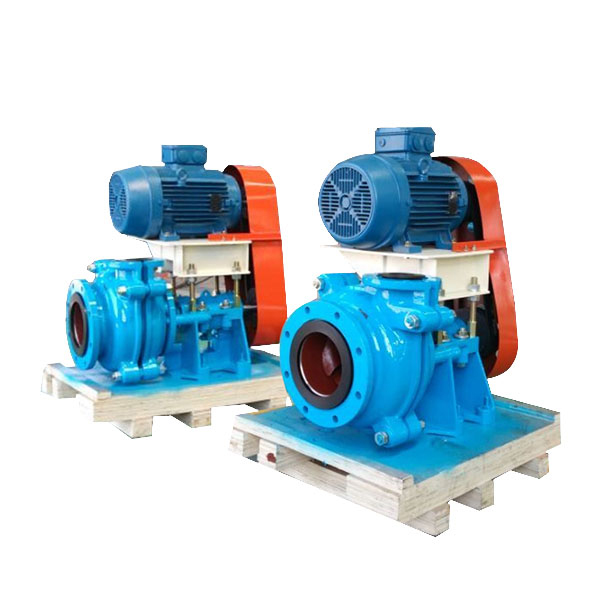
Between 2010 and 2020, there was a significant shift toward metallurgy innovation. The introduction of high-chrome alloys and the use of a heavy sludge pump allowed for the processing of higher solid concentrations, reducing the overall water footprint of industrial processes.

From 2021 to the present, the trajectory has moved toward "Specialized Materiality." The rise of the battery energy storage market in the Middle East has necessitated the deployment of the lithium slurry pump to handle volatile and abrasive lithium compounds during refinement.

Future Development Trends

Smart Monitoring Integration

Predictive maintenance using IoT sensors will become standard, allowing pumps to signal wear levels before catastrophic failure occurs.

Extreme Material Resistance

Increasing use of silicon carbide and advanced ceramics to extend the lifespan of pumps handling corrosive desalination residues.

Energy-Neutral Pumping

Transitioning toward hybrid power sources to reduce the carbon footprint of heavy industrial fluid transport.

Industry Trends and Future Outlook

Strategizing for the next generation of fluid transport in the Mediterranean region.

Green Hydrogen Infrastructure
Growth in hydrogen production requires pumps capable of handling high-pressure, corrosive electrolytic slurries.
Precision Mineral Processing
Shift toward micro-slurry transport for high-purity semiconductor materials using advanced ceramic linings.
Battery Material Logistics
Scaling up lithium-ion precursor transport with specialized non-reactive pumping systems.
Automated Slurry Handling
Full integration of pumps into PLC-controlled automation loops for zero-human intervention.

Industry Outlook

Google search trends indicate a rising interest in "sustainable mining" and "circular water economy" within the Asia-Israel corridor. This suggests a future where slurry pumps are not just transport tools, but integrated parts of water recovery systems.

Over the next 3-5 years, we expect a surge in demand for modular, plug-and-play pumping stations that can be rapidly deployed for temporary infrastructure projects, emphasizing mobility and rapid response.

Localized Application Scenarios in Israel

Tailored pumping solutions for Israel's unique geographical and industrial requirements.

1. Dead Sea Mineral Extraction

Handling hyper-saline and abrasive potash slurries using high-chrome pumps to prevent rapid corrosion in extreme salinity conditions.

2. Coastal Desalination Brine Disposal

Utilizing a dirty water slurry pump to transport concentrated brine and sediment back to sea without clogging.

3. Negev Desert Mining Operations

Deploying an engine driven slurry pump for remote phosphate and mineral transport where electrical infrastructure is unavailable.

4. Advanced Battery Component Production

Implementing the lithium slurry pump for the precise movement of cathode precursors in high-tech industrial parks.

5. Municipal Wastewater Sludge Dewatering

Integrating a heavy sludge pump for the efficient transport of thick organic waste to treatment facilities.

Brand Story

Global Development Journey of Hebei Xiangmai Pump Industry Co., Ltd.

Foundational Engineering

Established with a focus on solving the "wear and tear" dilemma in heavy industry, specializing in high-density fluid transport.

Material Breakthroughs

Pioneered the use of specialized ceramic liners and alloy coatings to extend pump life by 300% in abrasive environments.

Global Expansion

Expanded operations to the Middle East and Asia, adapting designs to meet the unique climate challenges of regions like Israel.

Innovation Hub

Launched a dedicated R&D center for "Smart Pumping," integrating sensor technology for real-time slurry monitoring.

Future Sustainability

Committed to reducing industrial water waste through high-efficiency pumping systems that enable closed-loop water recycling.

Local Industrial Pumping FAQ

Answers to common technical challenges faced by Israeli operators.

How to choose the right ceramic slurry pump for high-salinity brine?

For high-salinity brine, prioritize pumps with silicon carbide linings and corrosion-resistant seals to prevent salt crystallization and chemical pitting.

What are the advantages of an engine driven slurry pump in the Negev desert?

They provide total independence from the power grid, enabling fluid transport in remote mining or agricultural sites where electricity is unavailable.

Can a dirty water slurry pump handle combined sand and organic waste?

Yes, our designs feature open impellers and wide discharge ports specifically to prevent clogging from mixed organic and inorganic debris.

What is the maintenance interval for a heavy sludge pump in mining?

Depending on the slurry density, we recommend checking wearable components every 2,000 to 5,000 operating hours, utilizing our quick-swap liner kits.

Is the lithium slurry pump compatible with all precursor chemistries?

Our pumps are designed for a wide range of lithium compounds, featuring non-reactive materials to ensure no contamination of the purity-sensitive precursors.

How does temperature affect slurry pump performance in hot climates?

High temperatures can increase fluid viscosity or cause seal drying. We use enhanced cooling jackets and high-temp elastomers for Israeli summer conditions.

Expert Pumping Consultation

Ready to optimize your industrial fluid transport in Israel? Contact our technical team today for a customized solution.

Contact Us Now
tel
email
tel
goTop

If you are interested in our products, you can choose to leave your information here, and we will be in touch with you shortly.