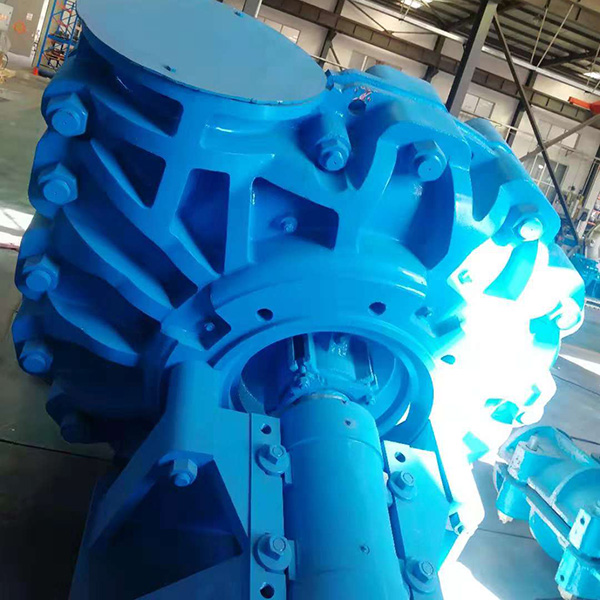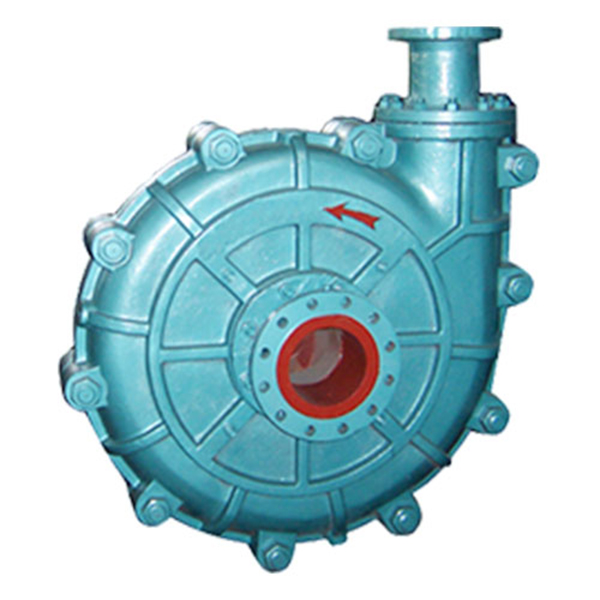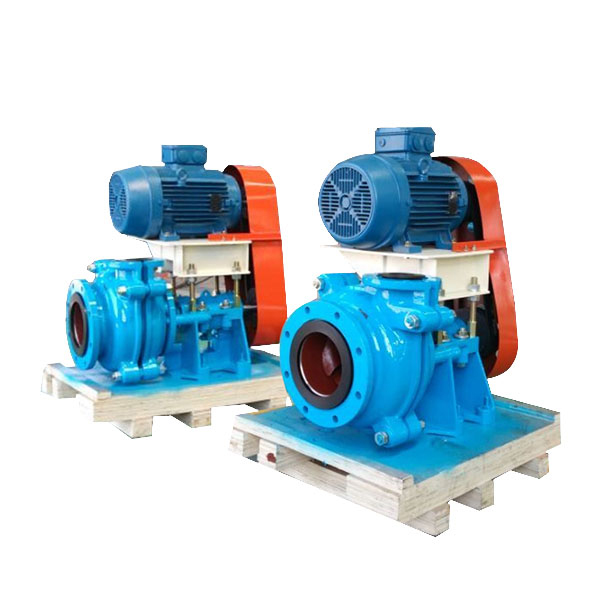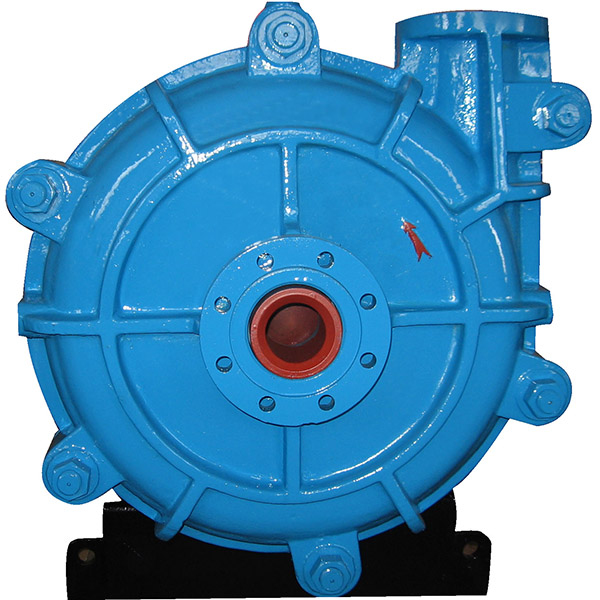
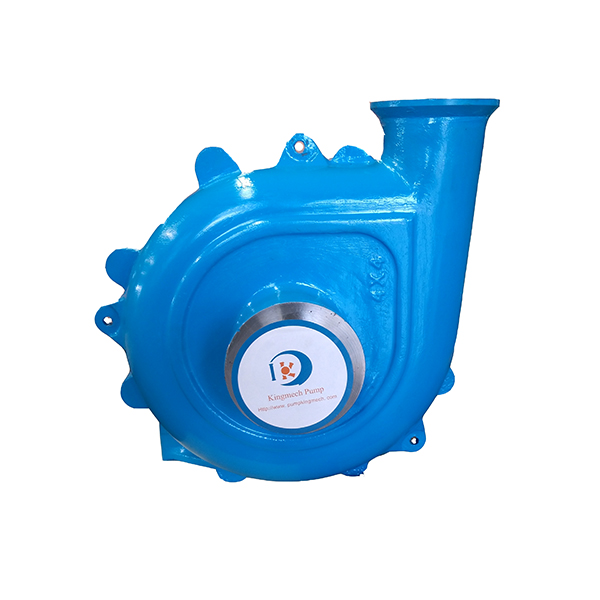
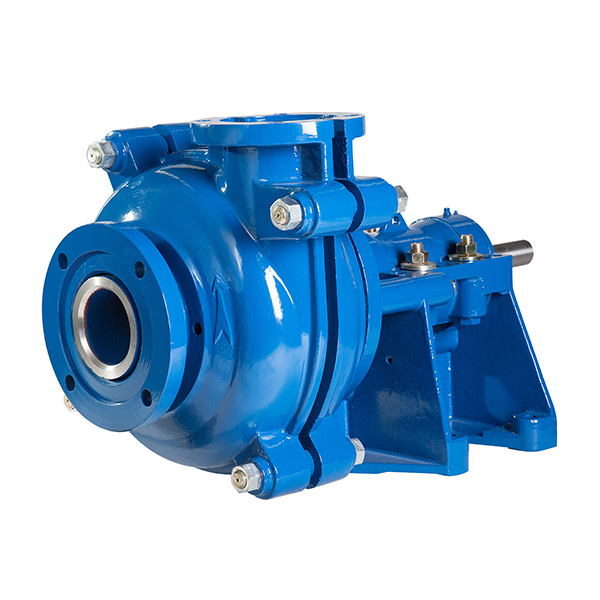
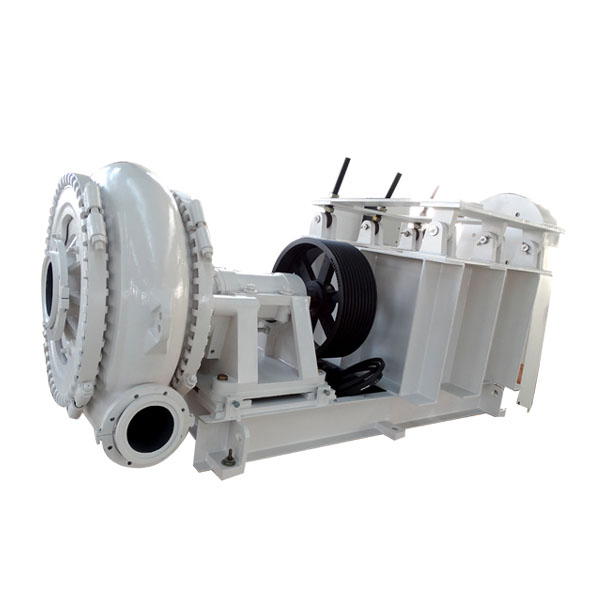
The Philippine industrial landscape is characterized by intense mining activities and a constant struggle with urban drainage during monsoon seasons. The demand for a reliable dirty water slurry pump has surged as municipalities deal with flood-prone areas and sediment-heavy runoff that clog traditional piping systems.
In the mining sectors of Mindanao and Luzon, the transport of abrasive ores requires extreme wear resistance. Local operators are increasingly shifting from standard alloys to the ceramic slurry pump to reduce downtime caused by the rapid erosion of pump impellers and casings in high-velocity slurry streams.
Furthermore, remote site operations often lack stable power grids, making the engine driven slurry pump a critical asset. These mobile units allow for flexible deployment in artisanal mining or emergency dredging projects where electrical infrastructure is non-existent.