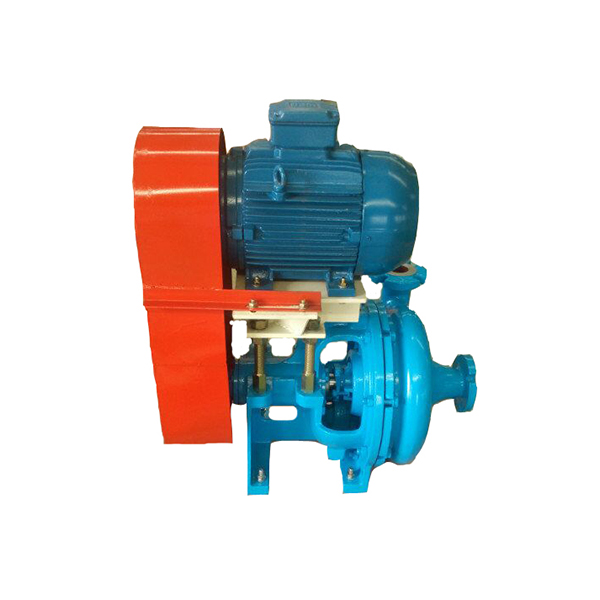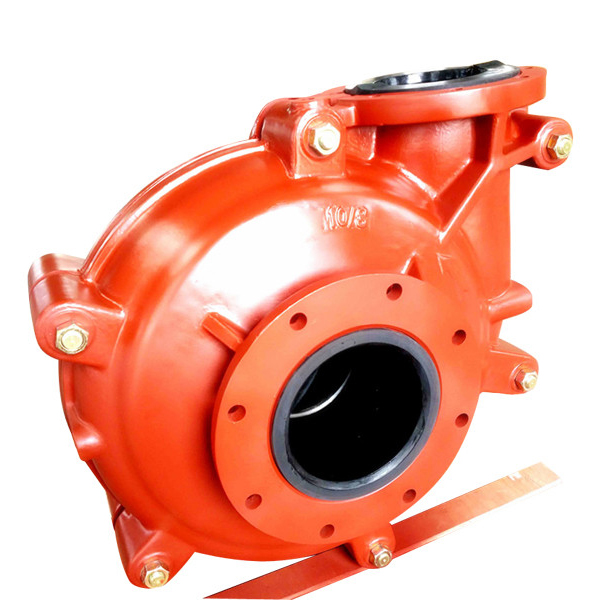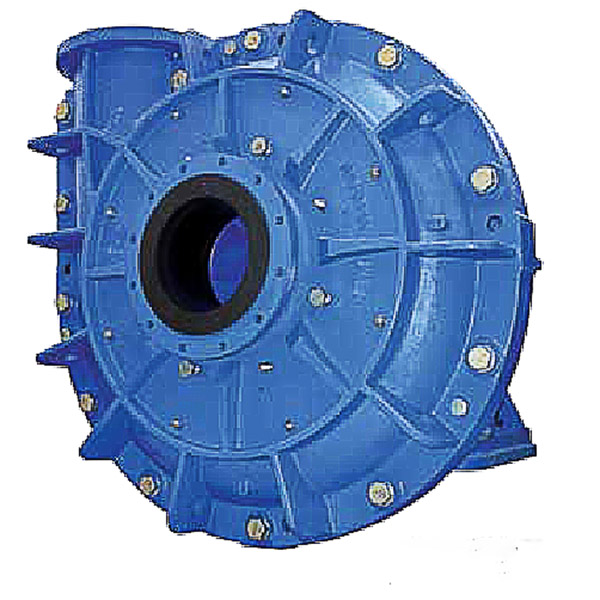
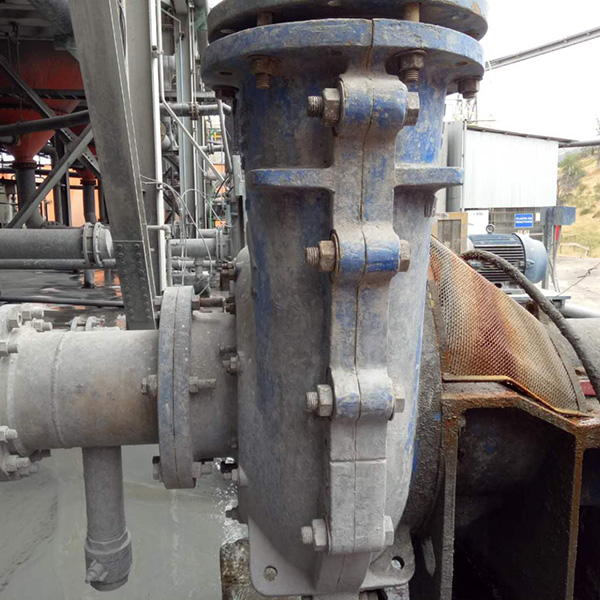
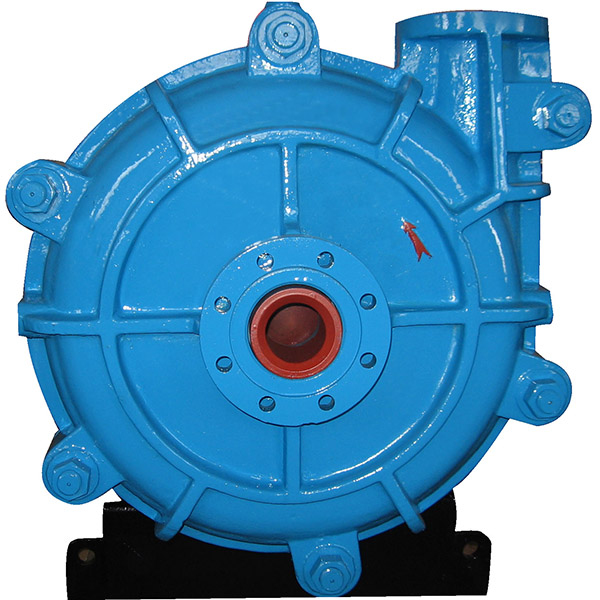
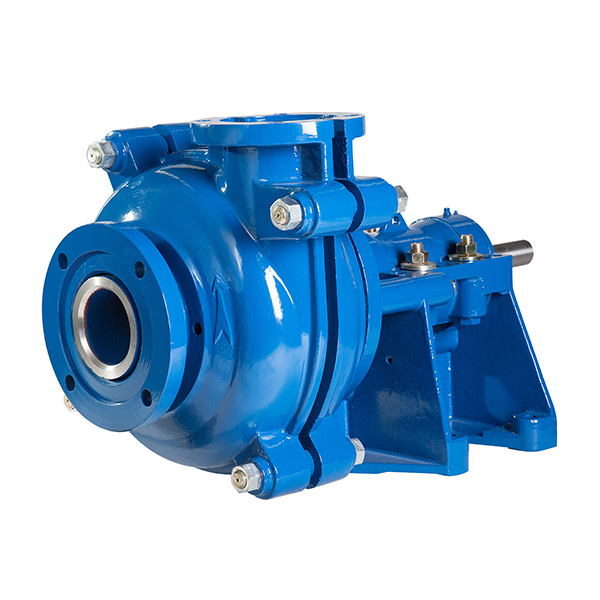
In North Korea, the industrial landscape is dominated by large-scale mining and metallurgical plants. The reliance on traditional heavy machinery means there is a critical need for a robust heavy sludge pump capable of maintaining continuous operation despite the harsh climatic conditions and abrasive mineral loads found in the northern mountainous regions.
Many local facilities struggle with equipment wear due to the high viscosity and grit levels in their wastewater. The transition toward a more efficient dirty water slurry pump has become essential for maintaining environmental standards and reducing downtime in state-run industrial complexes.
Furthermore, the intermittent power supply in remote mining sites necessitates the deployment of autonomous power sources. Consequently, the demand for an engine driven slurry pump has risen, allowing operators to transport ores and tailings without relying on a stable electrical grid.