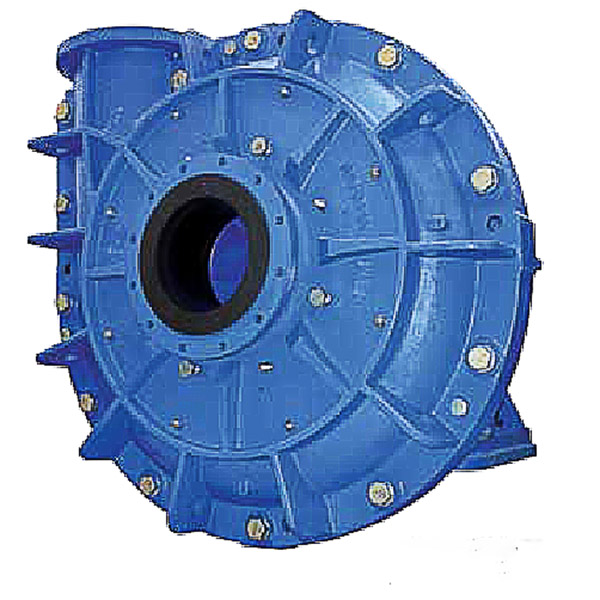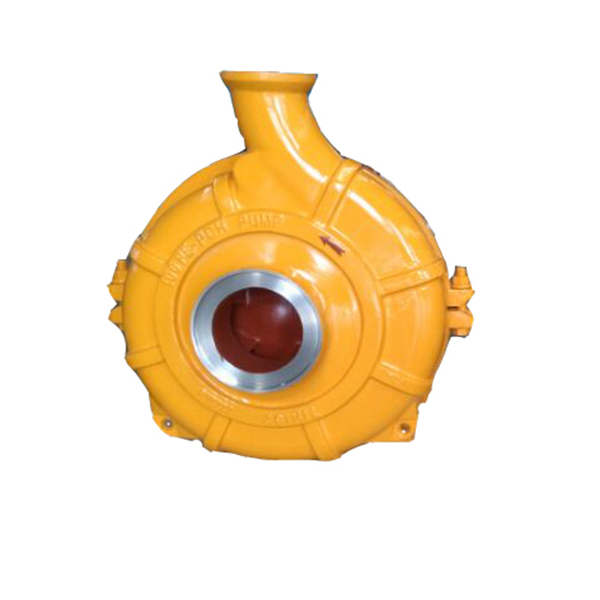
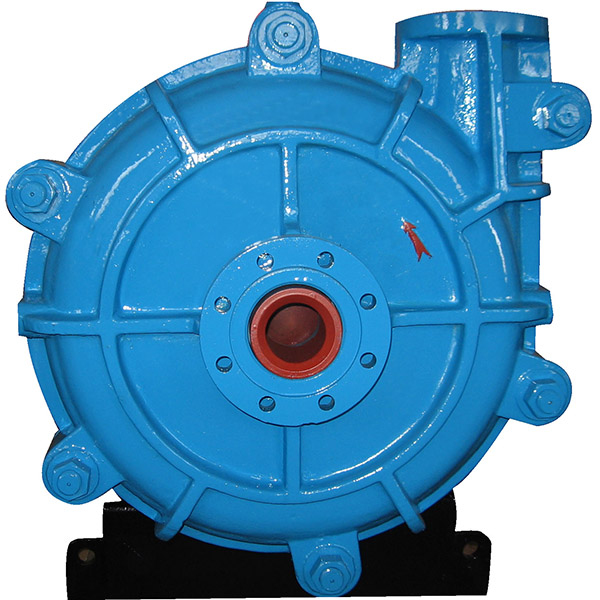
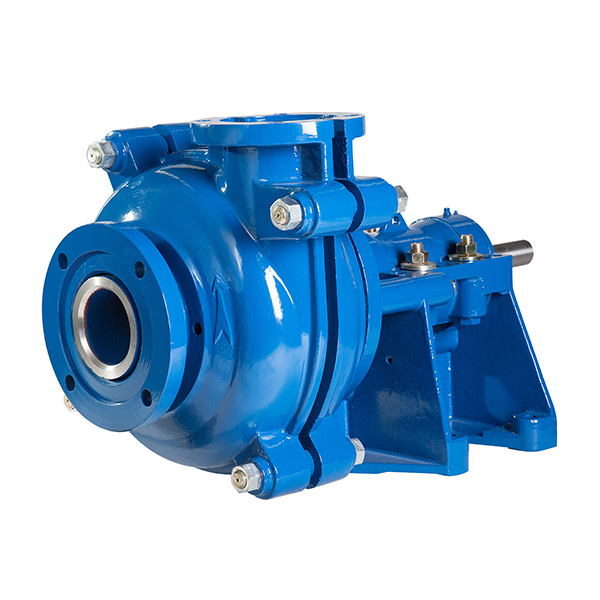
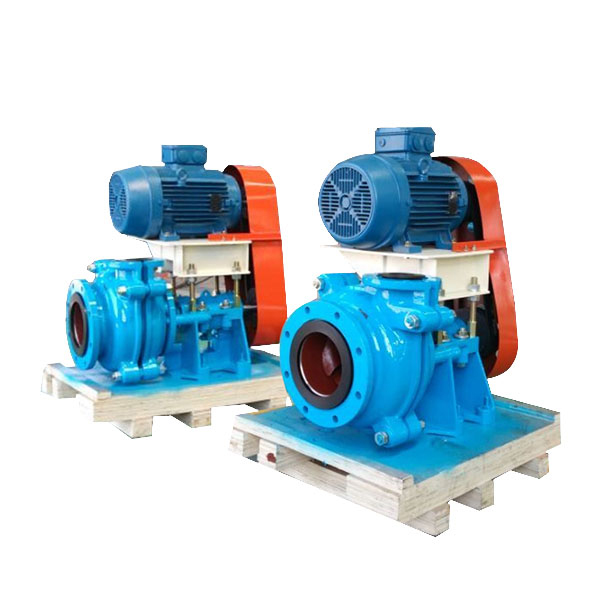
Uruguay's industrial landscape, characterized by its strong agricultural base and growing mining interests, faces significant challenges in fluid transport. The prevalence of corrosive and abrasive materials requires a specialized ceramic slurry pump to prevent premature wear and tear caused by the unique mineral compositions found in local deposits.
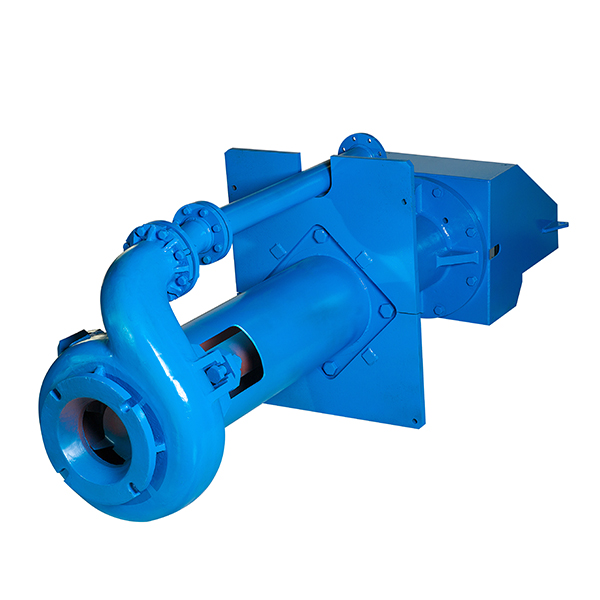
In urban centers and coastal regions, the management of municipal waste and industrial runoff has led to an increased reliance on the dirty water slurry pump. The humid climate and seasonal flooding often complicate the consistency of the fluid, necessitating equipment that can handle fluctuating viscosity and particulate sizes.
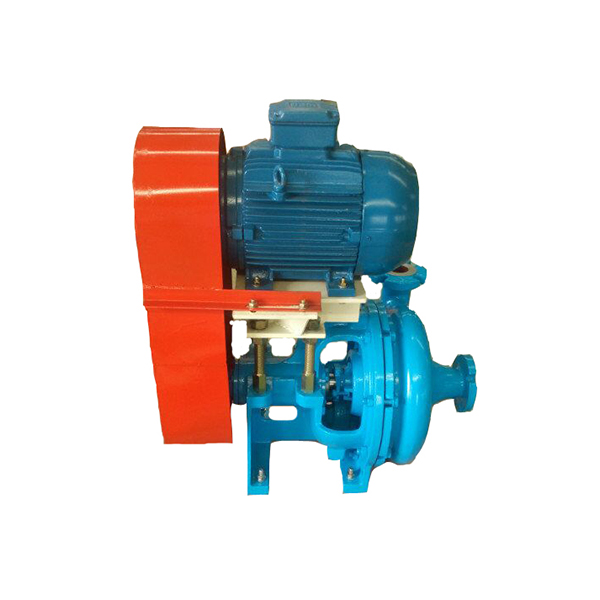
Furthermore, the remoteness of many extraction sites in the Uruguayan interior creates a logistical hurdle for power supply. This has driven a localized demand for the engine driven slurry pump, which allows for autonomous operation in off-grid locations where electrical infrastructure is absent or unreliable.