Slurry feed pumps are essential components in a vast array of industrial processes, particularly those dealing with abrasive materials. They serve as the critical link in moving mixtures of solids and liquids – slurries – efficiently and reliably. Understanding their function, applications, and the latest advancements is paramount for optimizing operations and reducing downtime across diverse sectors. This understanding is crucial in modern industries striving for increased productivity and operational efficiency.
The global demand for slurry feed pump technology is driven by growth in mining, wastewater treatment, power generation, and chemical processing. According to recent industry reports, the market is projected to reach significant value within the next decade, fueled by the increasing need for sustainable resource management and stricter environmental regulations. The challenge lies in balancing performance with durability and cost-effectiveness.
A slurry feed pump isn't simply a pump; it's a tailored solution designed to handle the specific characteristics of the slurry being transported. From the concentration of solids to the particle size and the corrosive nature of the fluid, proper pump selection is vital for long-term reliability and minimal maintenance.
Understanding Slurry Feed Pump Technology
Slurry feed pump technology has evolved significantly over the years, moving from basic centrifugal pumps to highly specialized designs tailored for specific slurry characteristics. The ability to efficiently and reliably transport abrasive mixtures is critical in many industries, ensuring smooth operation and minimizing costly downtime. A slurry feed pump is not a one-size-fits-all solution; it demands careful consideration of the application.
The selection process often involves evaluating factors like slurry composition, flow rate, head requirements, and the presence of corrosive elements. Different pump types, such as centrifugal, positive displacement, and peristaltic pumps, each have their strengths and weaknesses in handling various slurry types.
The Core Principles of Slurry Feed Pump Operation
At its core, a slurry feed pump operates on the principle of imparting energy to the slurry, moving it from a lower pressure to a higher pressure. This is commonly achieved through centrifugal force, where an impeller spins to create suction and discharge the slurry. However, the presence of solids introduces complexities such as abrasion, erosion, and potential clogging, requiring specialized pump designs to mitigate these effects. The efficiency and longevity of a slurry feed pump are directly linked to its operational principles.
Positive displacement pumps, on the other hand, deliver a fixed volume of slurry per revolution, making them suitable for applications requiring precise flow control and the handling of highly viscous slurries. Understanding the differences between these core principles is critical for selecting the right pump for a given application.
Proper priming and maintaining a consistent flow rate are crucial for preventing cavitation and ensuring optimal pump performance. Cavitation occurs when vapor bubbles form within the pump due to low pressure, which can cause significant damage to the impeller and pump casing.
Key Design Factors for Optimal Performance
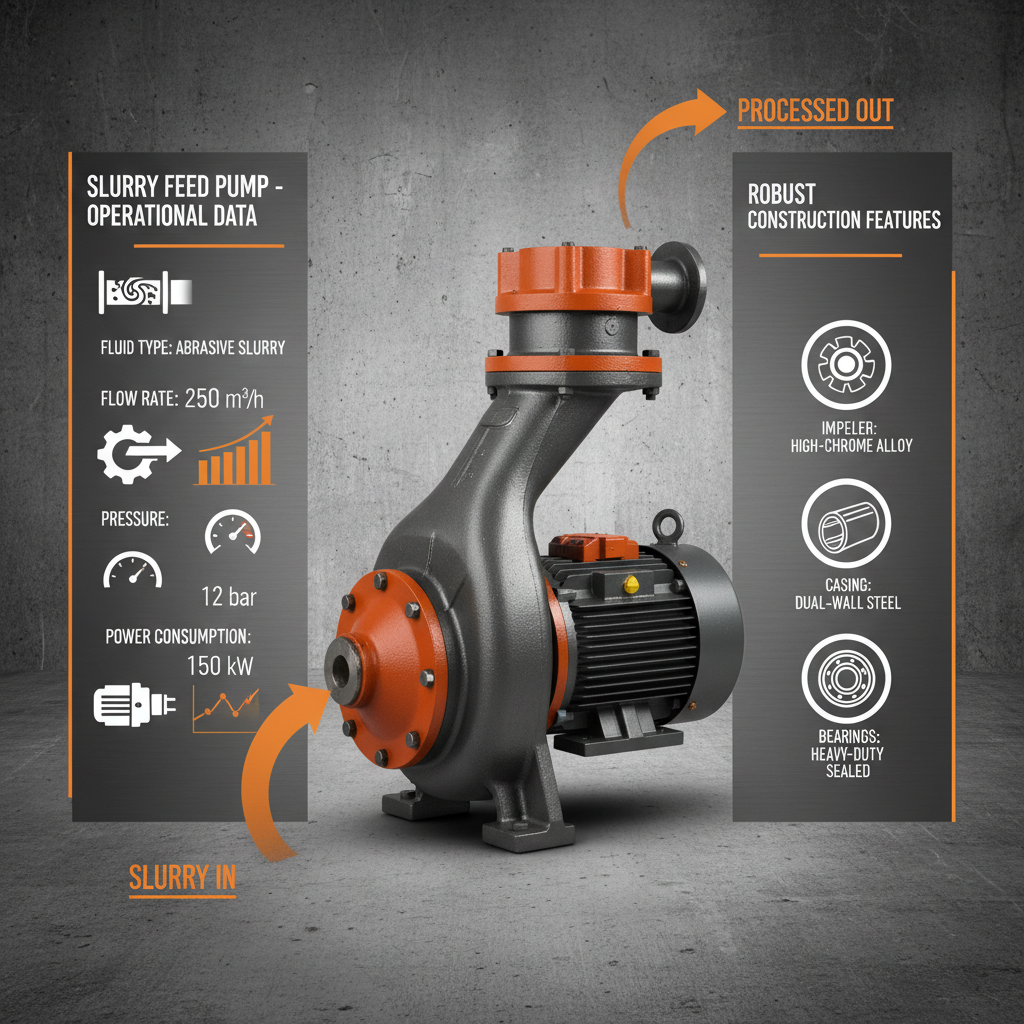
Durability is paramount in slurry feed pump design. The materials used in construction must withstand the constant abrasion from solid particles. High-chrome alloys, ceramics, and rubber linings are commonly employed to extend pump lifespan and reduce maintenance costs. A well-designed slurry feed pump prioritizes material selection.
Impeller design is another critical factor. Impellers optimized for slurry handling often feature larger passages, reduced vane numbers, and wear-resistant coatings to minimize clogging and erosion. The shape and angle of the vanes also influence pump efficiency and the ability to handle different particle sizes.
Sealing systems are crucial for preventing leakage and protecting the pump bearings from slurry contamination. Mechanical seals, packing glands, and flush systems are commonly used to ensure reliable operation in abrasive environments. The choice of sealing system depends on the slurry characteristics and the operating pressure.
Real-World Applications of Slurry Feed Pumps
Slurry feed pumps play a vital role in the mining industry, where they are used to transport ore slurries from the mine site to processing plants. These slurries can contain highly abrasive materials like rock fragments and sand, demanding robust and reliable pump designs. The efficient transport of these slurries is fundamental to mineral processing.
In wastewater treatment facilities, slurry feed pumps handle sewage sludge, which contains solids like grit, sand, and organic matter. These pumps must be capable of handling highly viscous and corrosive slurries while minimizing clogging and maintaining consistent flow rates.
Slurry Feed Pump Performance Metrics
Advantages and Return on Investment
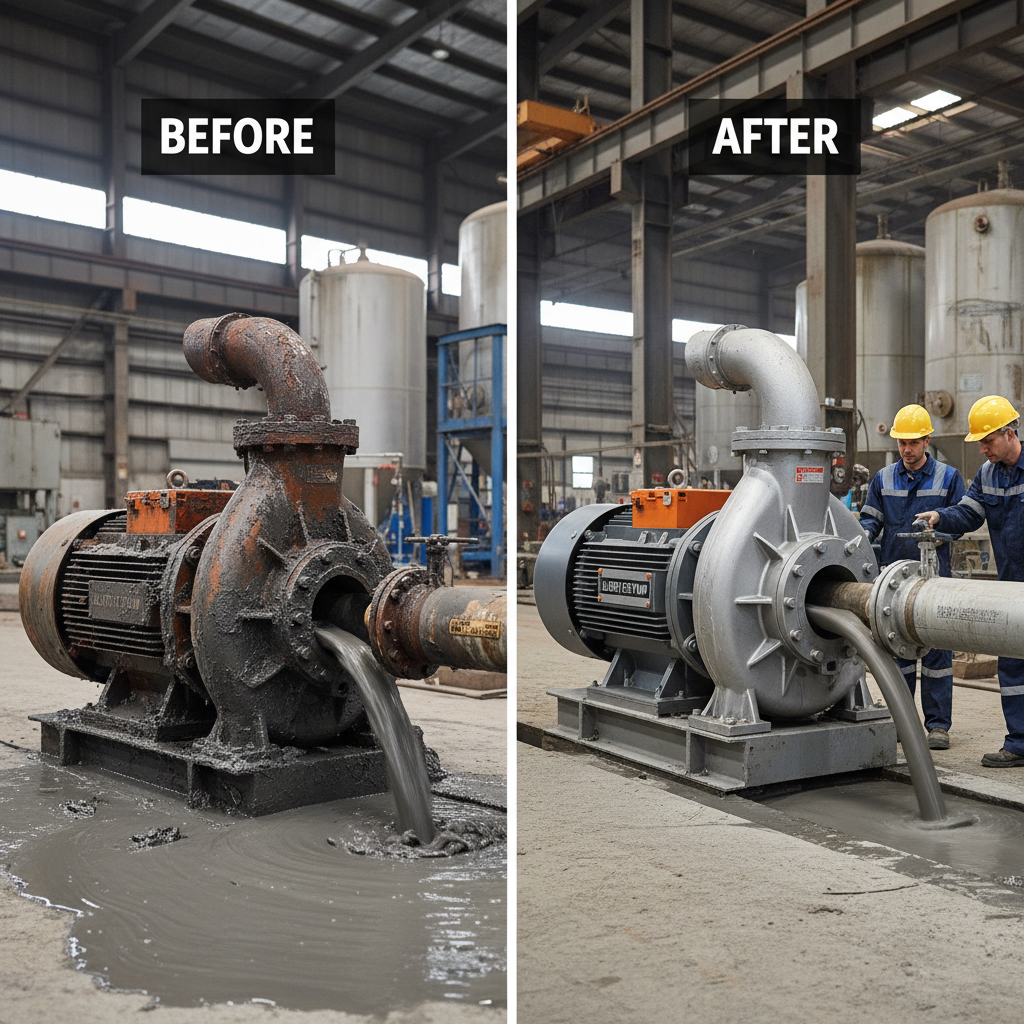
Investing in a high-quality slurry feed pump yields significant long-term benefits. Reduced downtime due to fewer maintenance requirements translates directly into increased productivity and lower operating costs. The initial investment is often offset by these savings over the pump's lifespan.
Enhanced reliability minimizes the risk of costly production interruptions, ensuring a consistent and predictable operation. Improved efficiency lowers energy consumption, contributing to both cost savings and a reduced environmental footprint.
Future Trends and Innovations in Slurry Pumping
The future of slurry pumping is focused on developing more efficient, durable, and intelligent pump designs. Advances in materials science are leading to the creation of new alloys and coatings that offer superior abrasion resistance and corrosion protection.
Digital technologies, such as remote monitoring and predictive maintenance, are becoming increasingly integrated into slurry feed pump systems. These technologies allow operators to proactively identify potential problems and schedule maintenance before failures occur, minimizing downtime and optimizing performance.
Sustainability is also a major driving force, with a focus on developing pumps that consume less energy and reduce environmental impact. The adoption of variable frequency drives (VFDs) and optimized impeller designs are contributing to increased energy efficiency.
Addressing Challenges and Optimizing Slurry Feed Pump Systems
One of the primary challenges in slurry pumping is managing abrasive wear. Implementing proper wear protection measures, such as using wear-resistant liners and coatings, is crucial for extending pump lifespan. Regular inspection and maintenance are also essential for identifying and addressing wear before it leads to failures.
Another challenge is preventing clogging, particularly when handling slurries with high solids content. Optimizing pump suction conditions and using pumps with larger passages can minimize the risk of clogging. Implementing automated cleaning systems can also help to maintain consistent flow rates.
System optimization involves carefully matching the pump to the specific application and operating conditions. This includes considering factors like slurry composition, flow rate, head requirements, and pipe layout. Proper system design can maximize pump efficiency and minimize energy consumption.
Key Performance Indicators for Slurry Feed Pump Systems
| Pump Type |
Mean Time Between Failures (MTBF) |
Energy Efficiency |
Maintenance Cost (USD) |
| Centrifugal |
1200 hours |
75% |
$500 |
| Positive Displacement |
1800 hours |
85% |
$800 |
| Peristaltic |
2500 hours |
60% |
$300 |
| High-Chrome Alloy Centrifugal |
2000 hours |
78% |
$650 |
| Rubber-Lined Centrifugal |
1500 hours |
72% |
$400 |
| Ceramic-Lined Centrifugal |
3000 hours |
70% |
$1000 |
FAQS
When selecting a slurry feed pump, several critical factors come into play. These include the slurry’s solids concentration, particle size distribution, abrasiveness, chemical composition, flow rate, and required head pressure. Furthermore, the pump's material compatibility with the slurry is paramount to prevent corrosion and erosion. Considering these variables ensures optimal performance and longevity.
Clogging can be minimized by optimizing the suction conditions, ensuring sufficient flow velocity, and utilizing pumps with larger passage sizes. Regularly inspecting and cleaning the pump and associated piping is also crucial. In some cases, installing a strainer or vortex separator upstream of the pump can help remove large particles and prevent blockage.
High-chrome alloys are widely used for their excellent abrasion resistance. Rubber linings provide good protection against corrosion and erosion, especially for handling mildly abrasive slurries. Ceramic materials offer exceptional hardness and wear resistance but can be brittle. The optimal material selection depends on the specific characteristics of the slurry.
Determining the appropriate pump size requires a thorough understanding of the system requirements. This includes calculating the required flow rate and head pressure, considering the slurry’s viscosity and density, and accounting for any elevation changes or friction losses in the piping. Consult with a pump specialist for assistance if needed.
Regular inspection of the pump’s components, including the impeller, casing, seals, and bearings, is vital. Lubrication should be performed according to the manufacturer's recommendations. Monitoring vibration levels and temperature can also help identify potential problems early on. Replace worn parts promptly to prevent further damage.
Using a VFD allows for precise control of the pump’s speed, enabling optimized performance and energy savings. By adjusting the speed to match the actual flow requirements, you can reduce energy consumption and minimize wear on the pump. VFDs also provide soft starting capabilities, reducing stress on the motor and pump components.
Conclusion
In conclusion, selecting, operating, and maintaining a slurry feed pump requires a comprehensive understanding of slurry characteristics, pump types, and best practices. Investing in a high-quality pump and implementing a proactive maintenance program are crucial for maximizing efficiency, minimizing downtime, and extending the pump’s lifespan. A correctly implemented slurry feed pump solution is not just about moving a slurry – it's about optimizing an entire process.
Looking ahead, continued innovation in materials science, pump design, and digital technologies will further enhance the performance and reliability of slurry feed pumps. Embracing these advancements is key to meeting the evolving challenges of modern industrial processes and ensuring sustainable resource management. For reliable and efficient slurry pumping solutions, visit our website today.