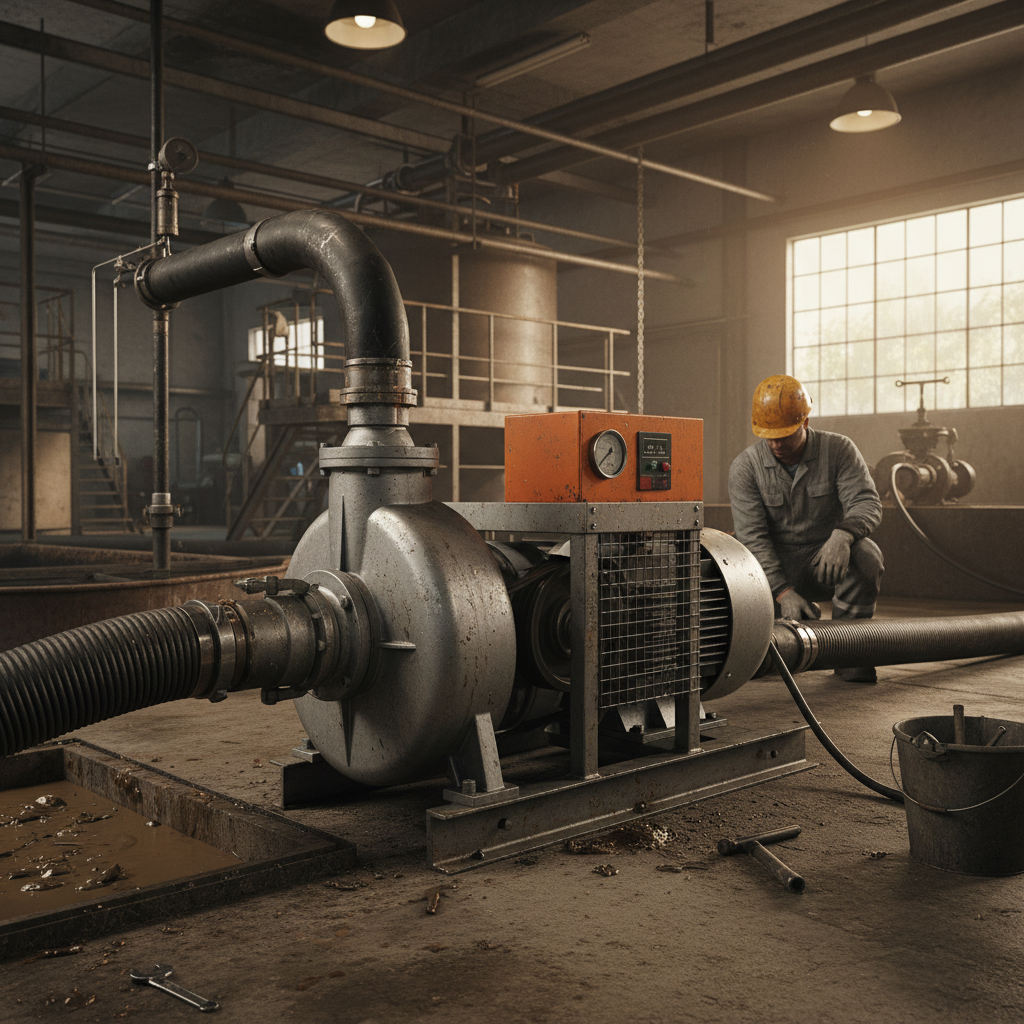
Look, I’ve spent the last 20 years crawling around construction sites, getting dust in my teeth and talking shop with the guys actually doing the work. When it comes to moving slurry, you quickly realize a standard pump just won’t cut it. We're not talking about water here – we're talking thick, abrasive mixtures of solids and liquids. That’s where a good slurry agitator pump comes in. It’s not just about getting the stuff from point A to point B; it's about keeping the solids suspended, preventing settling, and making sure the whole process doesn't turn into a clogged, frustrating mess. A reliable slurry agitator pump means a smoother operation, less downtime, and frankly, happier crews.
The demand for efficient slurry handling is only growing. Everything from mining and dredging to wastewater treatment and even power plant operations relies on moving these challenging materials. We're seeing increased regulations on environmental discharge, which means cleaner processes and more emphasis on effective solid-liquid separation. Globally, industries are expanding, particularly in developing nations, boosting the need for robust slurry handling infrastructure. Ignoring this need isn’t an option – it leads to costly delays, environmental issues, and ultimately, projects going over budget.
A slurry agitator pump isn’t just a pump; it’s an integrated system. It’s about combining pumping action with constant agitation to prevent solids from settling and causing blockages. This is especially critical in long-distance pipelines and applications where the slurry sits for extended periods. Without it, you’re facing increased maintenance, reduced efficiency, and potentially complete system failure.
The Core Functionality of slurry agitator pump
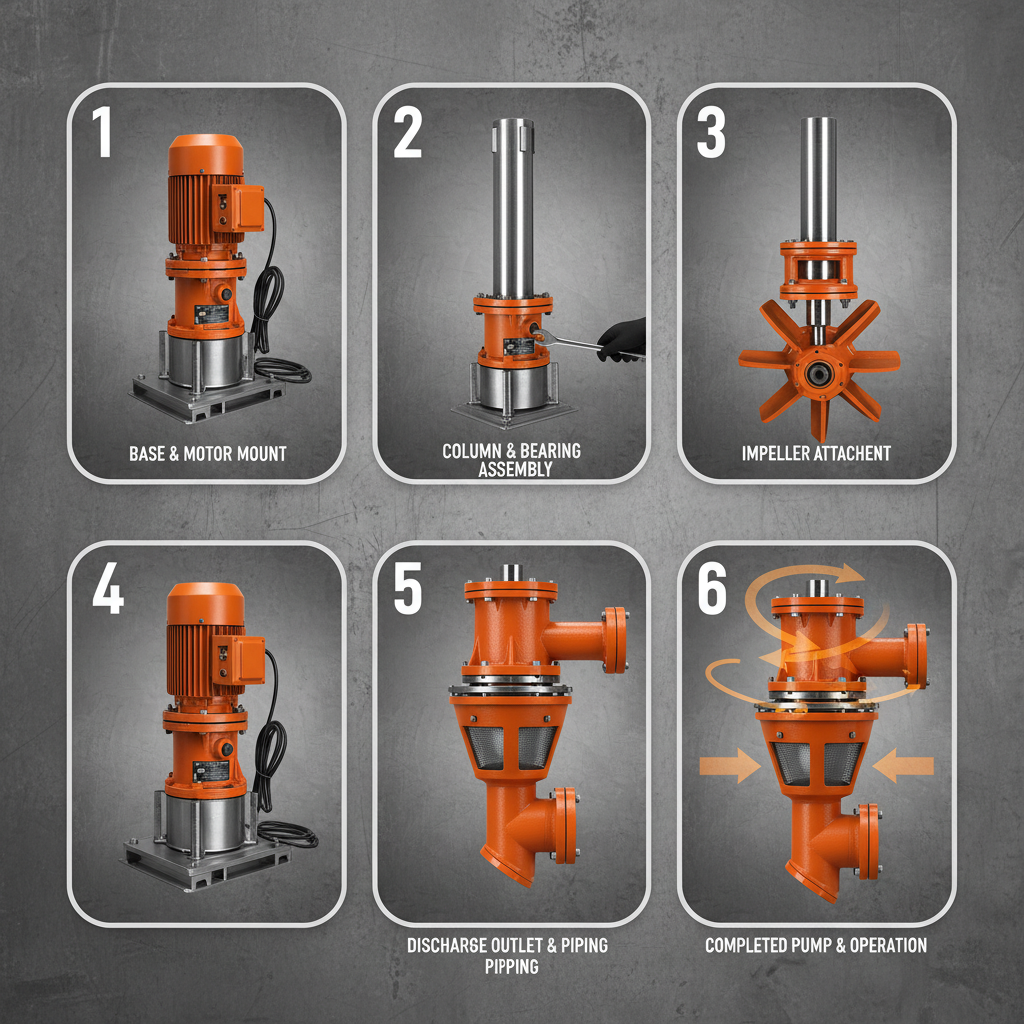
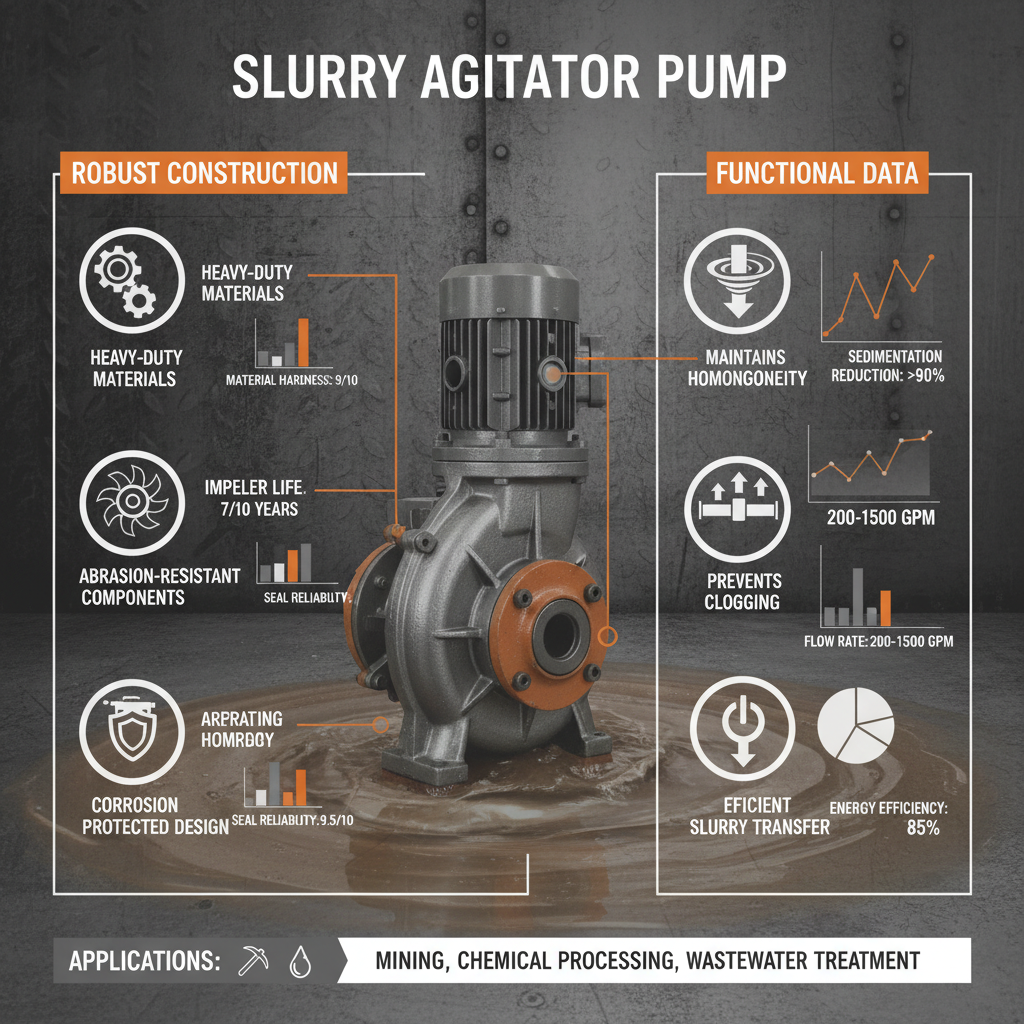
At its heart, a slurry agitator pump does two things: it moves abrasive slurries and keeps the solids suspended. That agitation isn’t just for show. It prevents the solids from settling out, which can lead to clogging, reduced pumping efficiency, and increased wear on the pump components. A well-designed pump will have an impeller specifically designed for handling solids, often with a larger passage size and wear-resistant materials.
The difference between a standard centrifugal pump and a slurry agitator pump is significant. Regular pumps aren't built to withstand the constant impact of solids, leading to premature failure. This translates to costly downtime and repairs, something no project manager wants to deal with. A proper slurry agitator pump is an investment in reliability.
Global Relevance and Industry Applications
This isn’t a niche application. From the oil sands of Canada to the copper mines of Chile, slurry handling is a cornerstone of resource extraction. In wastewater treatment plants around the globe, these pumps are vital for moving sludge and maintaining treatment processes. The UN estimates that global wastewater production will increase by over 50% by 2050, making efficient slurry handling even more critical.
The demand extends beyond resource extraction and environmental applications. The construction industry uses slurries for drilling mud and concrete transport. The food processing industry relies on slurry pumps for handling viscous materials. Even the power generation sector utilizes slurry systems for handling ash and other byproducts. We're talking about a worldwide market measured in billions of dollars.
What I’ve seen on sites in Southeast Asia, for example, is a real need for durable, cost-effective solutions. They’re not always dealing with the latest technology, but they need equipment that can withstand harsh conditions and keep operations running. That's where the value of a well-engineered slurry agitator pump truly shines.
Defining the slurry agitator pump
Simply put, a slurry agitator pump is a type of pump designed to efficiently move mixtures of liquids and solid particles. The ‘agitator’ part is key – it refers to the internal mechanisms that keep the solids suspended within the liquid, preventing them from settling and causing blockages. It’s a targeted solution to a very specific problem, unlike a general-purpose pump.
Its connection to modern industry and humanitarian needs is profound. Efficient slurry handling is crucial for resource extraction, wastewater treatment, and even disaster relief efforts – think about removing debris after a flood. Without these pumps, critical infrastructure projects would grind to a halt, and environmental hazards would worsen.
Ultimately, it’s about streamlining processes. Imagine trying to clear a clogged pipeline filled with settled solids. That's lost time, lost money, and a lot of unnecessary headaches. A properly functioning slurry agitator pump prevents that from happening in the first place.
Key Characteristics of a High-Performance Pump
Let’s talk brass tacks. Durability is paramount. These pumps need to withstand constant abrasion from the solids they’re handling. That means robust construction, often using high-chrome alloys or other wear-resistant materials. Scalability is another critical factor. Projects evolve, and you need a pump that can handle increasing volumes of slurry.
Cost efficiency isn’t just about the upfront purchase price. It's about minimizing downtime, reducing maintenance costs, and maximizing pumping efficiency. A pump that requires frequent repairs or consumes excessive energy will quickly become a financial drain. Reliability also matters – you need a pump you can depend on, especially in critical applications.
Slurry Agitator Pump Performance Metrics
Real-World Applications Across Industries
In post-disaster relief operations, slurry agitator pumps are crucial for removing flood debris and restoring infrastructure. We've used them extensively in cleaning up after hurricanes and landslides, helping to get communities back on their feet.
In remote industrial zones, where access to maintenance and repair services is limited, reliability is paramount. Mining operations in places like Mongolia or the Australian Outback rely heavily on pumps that can operate continuously with minimal intervention. That’s why choosing the right pump upfront is so important.
Long-Term Benefits and Value Proposition
The tangible benefits are clear: reduced downtime, lower maintenance costs, and increased operational efficiency. But the long-term value goes beyond just the bottom line. A reliable slurry system contributes to environmental sustainability by minimizing waste and preventing spills. It enhances safety by reducing the risk of equipment failure and hazardous situations.
There's also a level of trust involved. When you invest in a quality slurry agitator pump, you're investing in peace of mind. You're confident that your operation will run smoothly, even under challenging conditions. That confidence is invaluable.
It's a matter of innovation, too. Manufacturers are constantly developing new materials and designs to improve pump performance and durability. Staying up-to-date with these advancements can give you a competitive edge.
Future Trends and Technological Advancements
We're seeing a growing trend towards smart pumps equipped with sensors and remote monitoring capabilities. This allows for predictive maintenance, optimizing performance, and reducing unplanned downtime. Digital twins are also becoming increasingly popular, allowing engineers to simulate pump behavior and identify potential issues before they arise.
The development of more sustainable materials is another key trend. Manufacturers are exploring the use of recycled materials and bio-based polymers to reduce the environmental impact of pump production. And, of course, the integration of energy-efficient motors and drive systems is crucial for minimizing energy consumption.
Automation is playing a bigger role. Automated slurry management systems can optimize pumping rates, adjust agitation levels, and even detect and respond to changing slurry conditions.
Key Performance Indicators for Slurry Agitator Pump Selection
| Pump Type |
Solids Handling Capacity (%) |
Flow Rate (m³/hr) |
Overall Reliability (1-10) |
| Centrifugal with Agitator |
30% |
150 |
7 |
| Positive Displacement (Diaphragm) |
60% |
50 |
8 |
| Vertical Turbine with Agitator |
45% |
200 |
9 |
| Slurry Sump Pump |
50% |
100 |
6 |
| Hydraulic Diaphragm Pump |
70% |
30 |
8 |
| Progressive Cavity Pump |
80% |
75 |
9 |
FAQS
Honestly? Underestimating the solids content and abrasiveness of their slurry. They'll go with a cheaper pump that isn't designed for the job, and it’ll fail quickly. You need to accurately assess the slurry's characteristics – particle size, concentration, hardness – and choose a pump that’s built to handle it. Don’t skimp on this step, it will cost you more in the long run.
It’s not just about flow rate. You need to consider the total dynamic head – that's the vertical lift plus the friction losses in the pipeline. A good engineer will perform a detailed hydraulic analysis to calculate the required head and flow rate. Over-sizing the pump can be just as bad as under-sizing – it wastes energy and can cause excessive wear.
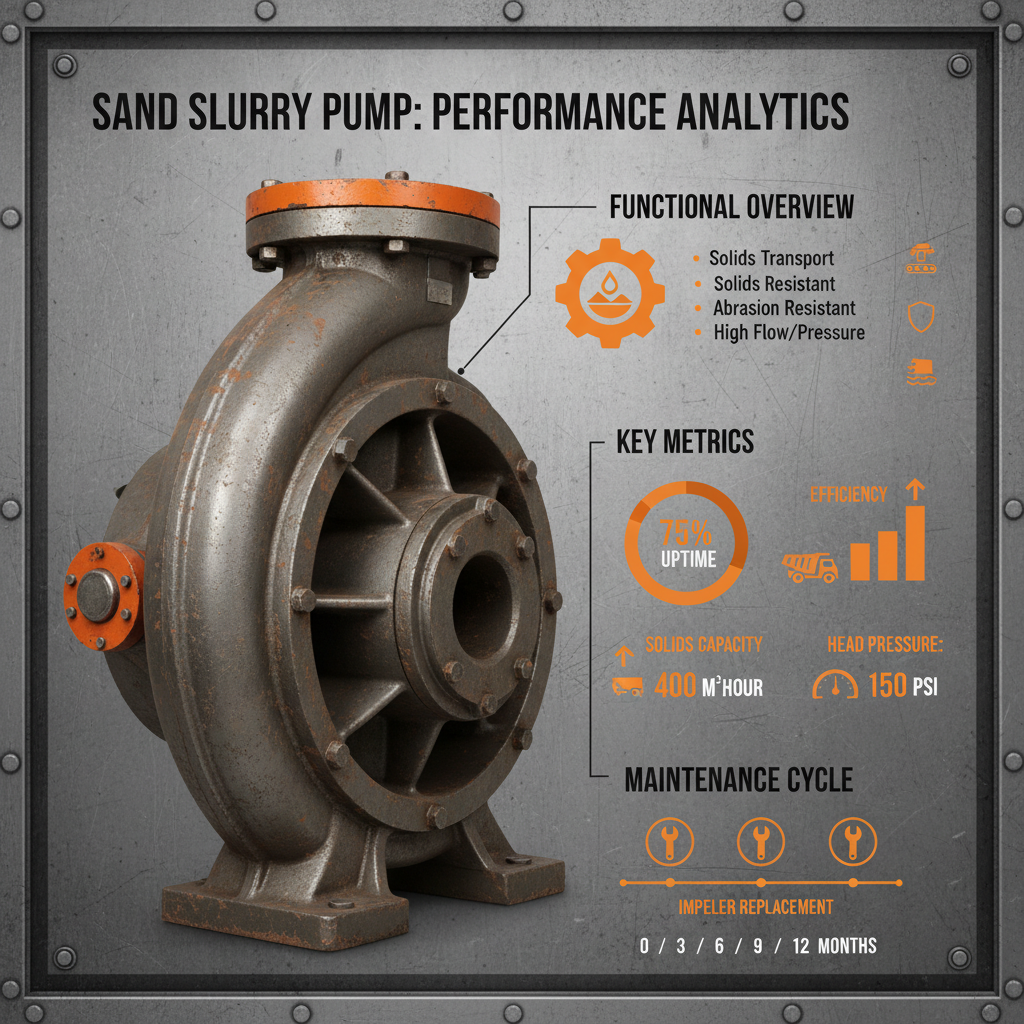
Regular inspections are key. Check for wear on the impeller, liners, and seals. Lubricate bearings according to the manufacturer's recommendations. Monitor for unusual noises or vibrations. And don’t ignore minor leaks – they can quickly escalate into major problems. A preventative maintenance schedule is your best friend.
Absolutely, but the pump’s design needs to be compatible with the slurry’s properties. Different slurries require different impeller designs, materials of construction, and sealing arrangements. For example, highly abrasive slurries will require a pump with hardened liners and a robust seal. Always consult with a pump specialist to ensure compatibility.
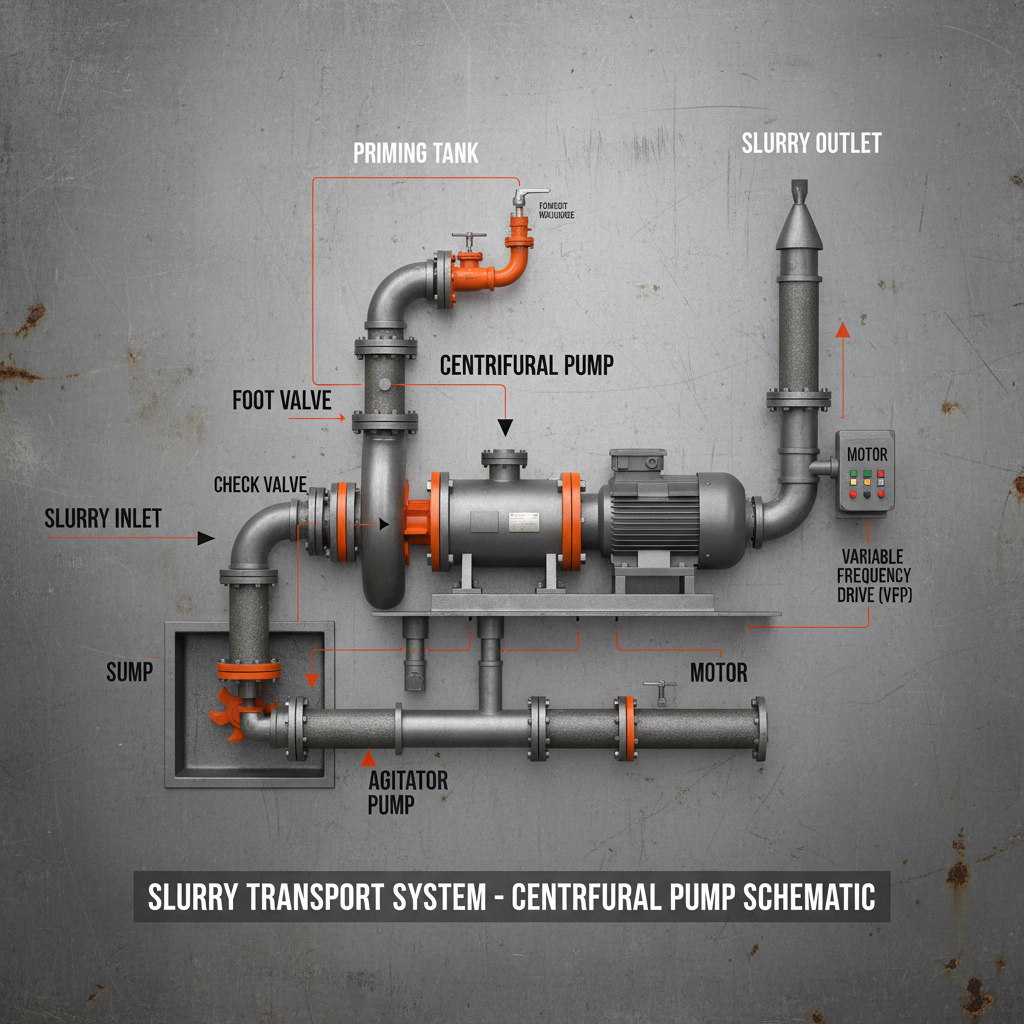
A VFD allows you to control the pump’s speed, which gives you precise control over the flow rate. This can save energy, reduce wear and tear, and optimize the process. It's especially useful for applications where the slurry flow rate varies over time. It is a great addition if you want to be more efficient.
Proper installation and operation are critical. Avoid running the pump dry, and make sure the suction line is properly primed. Don’t exceed the pump’s maximum operating pressure. Implement a regular maintenance schedule. And choose a pump that’s appropriately sized for your application. These things will make a world of difference.
Conclusion
In conclusion, the slurry agitator pump is an indispensable piece of equipment for a vast range of industries. It’s more than just a pump; it’s a solution for reliably handling challenging materials, optimizing processes, and minimizing downtime. Investing in a high-quality pump, coupled with proper maintenance and operation, is an investment in long-term efficiency and sustainability.
Looking ahead, expect to see continued innovation in this field, with a focus on smart pumps, sustainable materials, and automated slurry management systems. The future of slurry handling is about working smarter, not harder, and the slurry agitator pump will undoubtedly play a key role in that evolution. For reliable and efficient solutions, visit our website: www.kingmechpump.com.