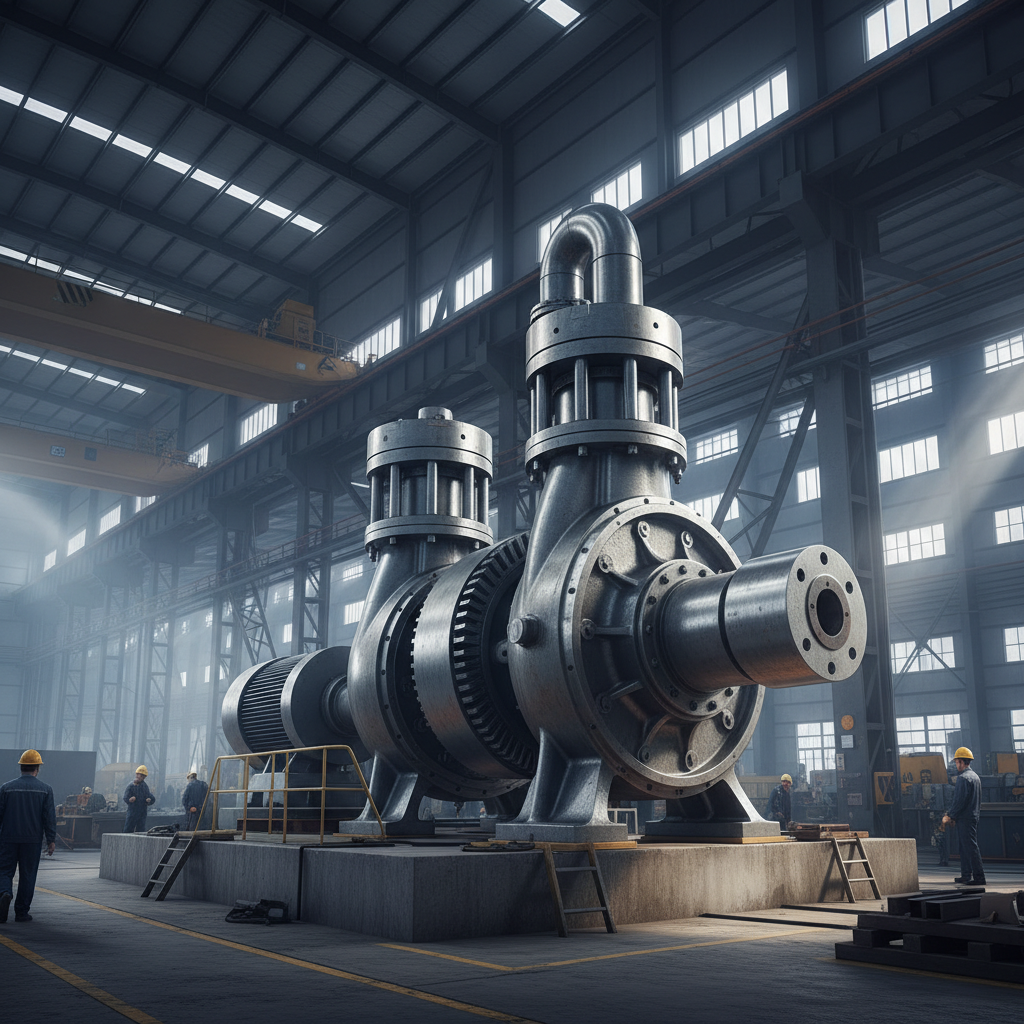
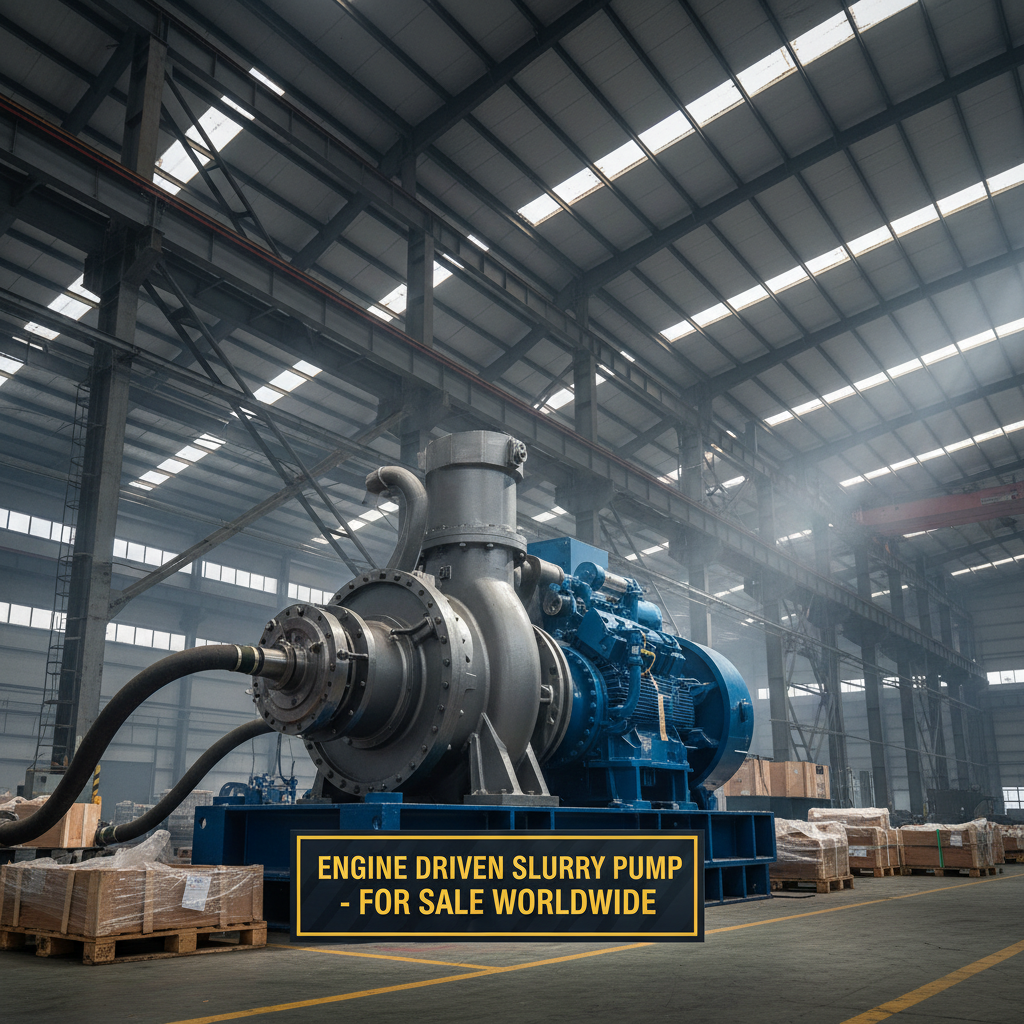
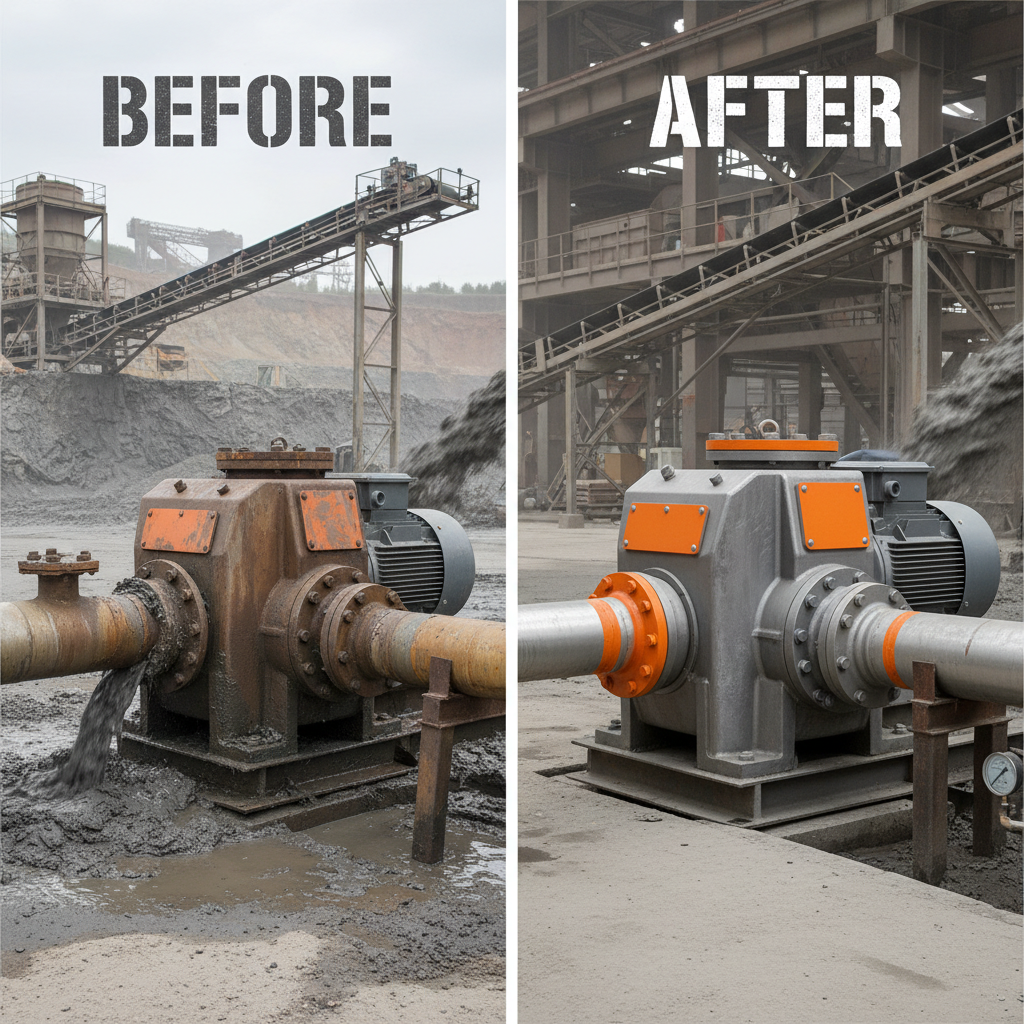
Look, I’ve spent the last fifteen years knee-deep in mud, dust, and concrete, watching projects come together—or sometimes, fall apart. And let me tell you, one thing that consistently makes or breaks a job is the ability to move slurry reliably. We’re talking everything from concrete and grout to wastewater and abrasive materials. That's where a good positive displacement slurry pump comes in. It’s not glamorous, but it’s the backbone of countless construction and industrial processes. A reliable pump isn't just about moving stuff; it's about keeping schedules, controlling costs, and ensuring safety.
You see a lot of flashy tech promises in this industry, but at the end of the day, most of us just need equipment that works. I’ve seen crews delayed for days because of pumps that clog, break down, or can’t handle the material they’re supposed to. That translates into lost money, frustrated teams, and angry clients. That’s why understanding the nuances of positive displacement slurry pump technology—what it is, what it does, and what to look for—is crucial for anyone involved in construction, mining, or industrial operations.
This isn’t some theoretical exercise; it impacts real people’s jobs and livelihoods. It's about getting things done efficiently and safely, and a properly selected and maintained pump is a key piece of that puzzle. It's about making sure that project stays on time, on budget, and that everyone goes home safe at the end of the day.
The Importance of positive displacement slurry pump in Modern Industry
I've seen first-hand how critical positive displacement slurry pump are across industries. From the massive concrete pours for hydroelectric dams to the fine grit removal in wastewater treatment plants, it’s a workhorse. The UN estimates that global infrastructure spending will reach $71 trillion by 2040 (Source: Global Infrastructure Hub), and a large portion of that will rely on efficient material handling, meaning a massive demand for these pumps. Without reliable slurry pumping solutions, projects stall, costs balloon, and deadlines are missed.
It’s not just large-scale projects either. Smaller operations – like dredging harbors, supplying water to remote construction sites, or even managing waste in mining – all depend on the consistent and reliable performance of a positive displacement slurry pump. The sheer volume of material that needs to be moved globally is staggering, and simply put, there aren’t many alternatives that can handle the abrasive and challenging nature of most slurries.
Defining positive displacement slurry pump: A Practical Overview
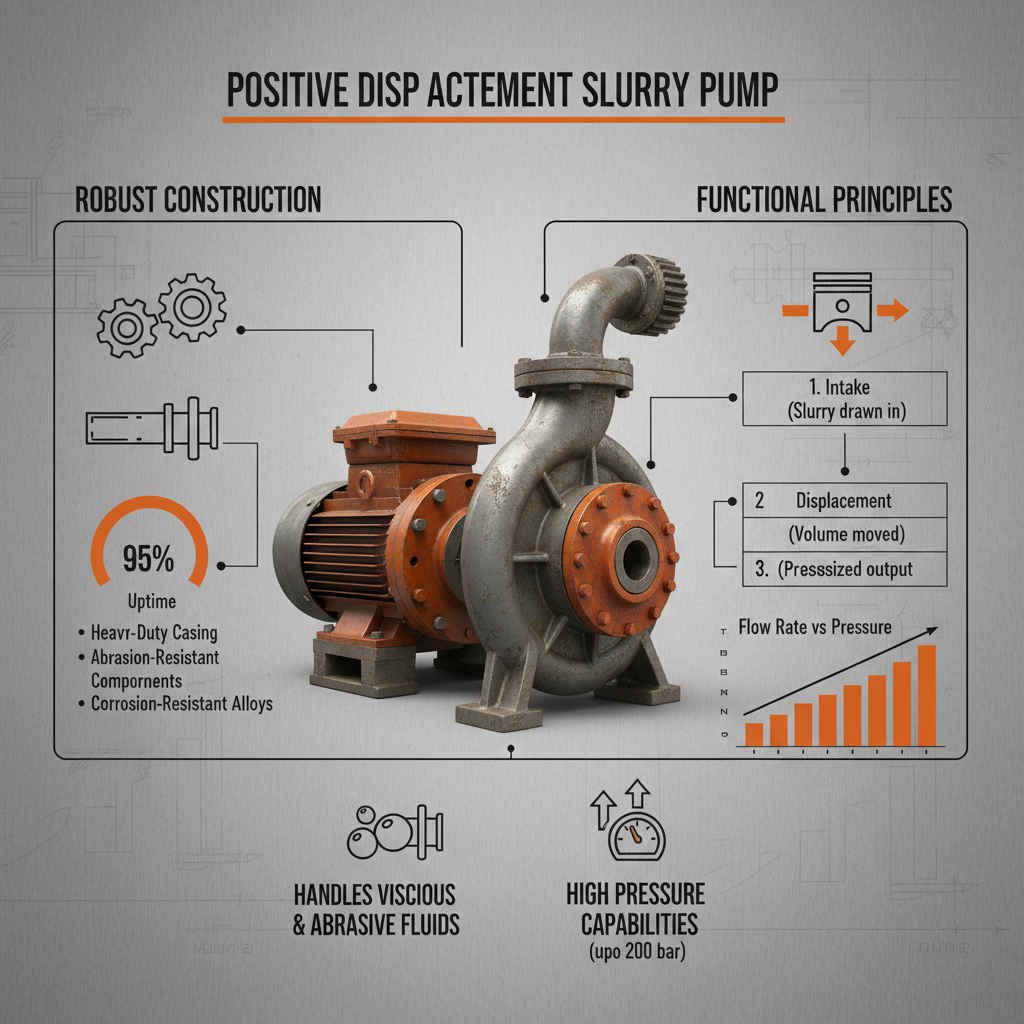
Alright, let’s cut through the jargon. A positive displacement slurry pump isn’t about fancy speed; it’s about reliably moving a consistent volume of fluid (that’s the “positive displacement” part) regardless of the pressure. Think of it like a piston in an engine – each rotation delivers the same amount of fluid. What makes it a slurry pump is its ability to handle abrasive, viscous, or solid-laden fluids - basically, anything that isn't just clean water.
It's a far cry from centrifugal pumps, which rely on creating velocity. Centrifugal pumps can handle clean fluids beautifully, but introduce grit or solids, and they quickly lose efficiency and wear out. That’s where a positive displacement pump shines. It's built to tackle the tough stuff. These pumps are essential in modern industry, directly supporting vital infrastructure and resource management.
In humanitarian contexts, these pumps can be used for emergency water supply, dewatering disaster areas, or even assisting in the construction of temporary shelters. Their robustness and ability to handle dirty water make them incredibly valuable in crisis situations.
Key Characteristics of High-Performance positive displacement slurry pump
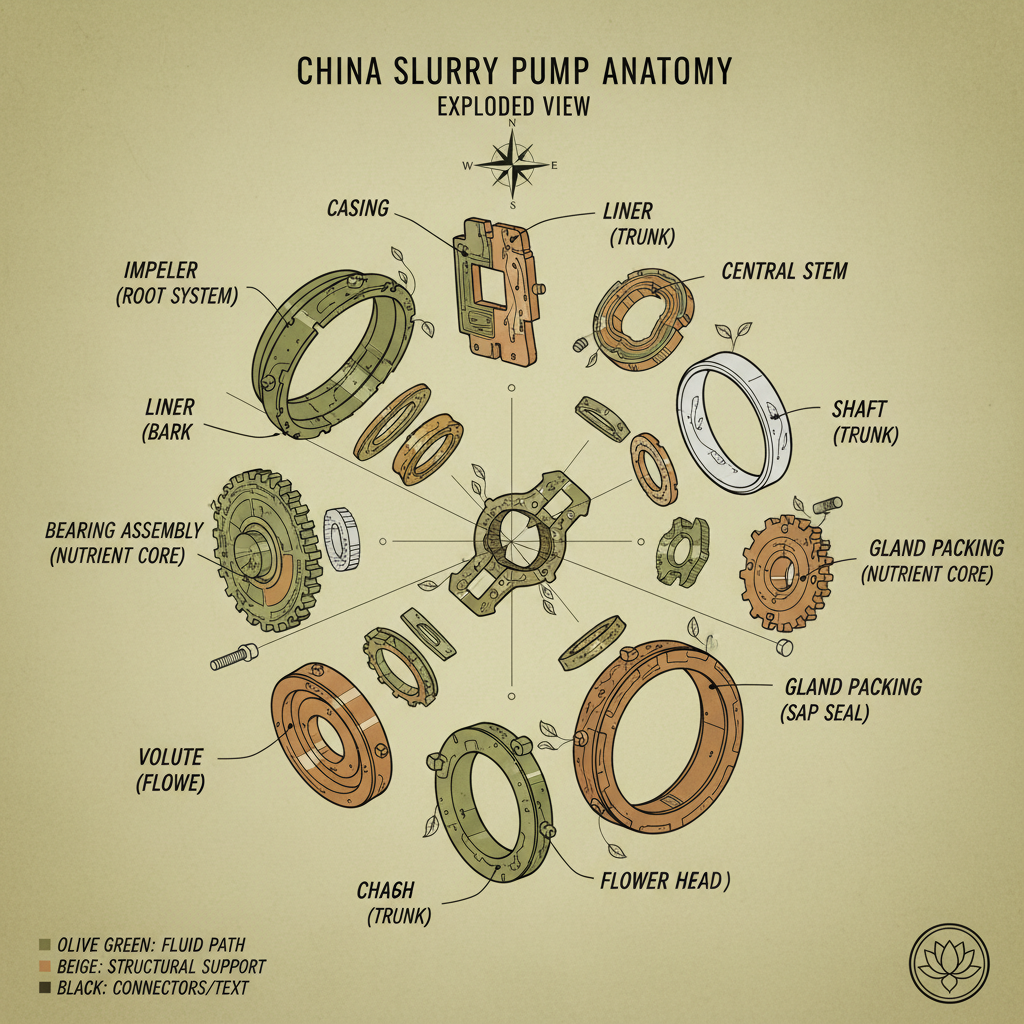
Now, not all positive displacement slurry pump are created equal. The key is understanding the characteristics that separate the reliable ones from the ones that’ll leave you stranded. First is abrasion resistance. Slurries are, by nature, abrasive. The pump’s internal components—impellers, liners, casings—need to be made of materials that can withstand constant wear and tear.
Second, sealing is critical. You don’t want leaks, especially when dealing with potentially hazardous materials. Robust sealing systems prevent fluid loss, maintain pressure, and protect the environment. Third, ease of maintenance. These pumps will need servicing. A design that allows for quick access to wear parts and simplifies repairs will save you significant time and money in the long run.
Finally, you need a pump that matches the specific slurry characteristics – its density, viscosity, and solid content. A pump designed for light sludge won’t handle heavy, abrasive grit very well, and vice versa. It’s all about choosing the right tool for the job.
Critical Performance Factors of positive displacement slurry pump
Let’s talk specifics. Performance isn't just about how much a pump can move; it's about how efficiently and how consistently it does it. A key factor is flow rate – how many gallons (or liters) per minute the pump delivers. This needs to be matched to the demands of the application. Too low, and you slow down the process; too high, and you risk overstressing the system.
Then there’s head, which is the pressure the pump can generate. Head is crucial for overcoming friction in the pipelines and reaching the desired elevation. Another critical parameter is solids handling capability – the maximum size and concentration of solids the pump can handle without clogging. And finally, efficiency – how much of the motor's energy is actually converted into fluid movement.
positive displacement slurry pump Performance Comparison
Global Applications: Where positive displacement slurry pump Makes a Difference
You’ll find positive displacement slurry pump at work all over the world. In the mining industry in Australia and Chile, they’re essential for moving tailings – the waste material left over after mineral extraction. In the oil sands of Canada, they handle the thick, abrasive bitumen slurry.
In Southeast Asia, they're crucial for dredging rivers and harbors to maintain navigable waterways. And in Europe, they are widely used in wastewater treatment plants, ensuring clean water for communities. From the bustling ports of Rotterdam to the remote construction sites in the Amazon, these pumps are silently enabling progress.
The Long-Term Value and Benefits of positive displacement slurry pump
The initial cost of a good positive displacement slurry pump can be higher than some alternatives, but the long-term value is undeniable. Reduced downtime, lower maintenance costs, and increased efficiency translate into significant savings over the pump’s lifespan. Plus, the reliability of these pumps minimizes the risk of costly project delays.
There's also the sustainability aspect. By improving efficiency and reducing waste, these pumps contribute to a more environmentally responsible operation. And, crucially, by operating reliably and safely, they protect your workforce and maintain a positive reputation. It’s an investment in peace of mind.
Ultimately, choosing a robust and reliable slurry pump is about building trust – trust in your equipment, trust in your team, and trust in your ability to deliver projects on time and within budget.
Future Trends and Innovations in positive displacement slurry pump Technology
The world of positive displacement slurry pump isn't standing still. We're seeing a push towards more intelligent pumps with integrated sensors and remote monitoring capabilities. This allows for predictive maintenance – identifying potential problems before they cause downtime.
Material science is also playing a role, with new alloys and coatings offering even greater abrasion resistance. And, as the industry moves towards greater sustainability, we're seeing the development of more energy-efficient pump designs. Digital twin technology, creating virtual replicas of pumps, is also gaining traction, allowing for optimized performance and proactive troubleshooting.
The integration of automation and AI will revolutionize slurry pump management, allowing for self-adjusting systems that adapt to changing slurry conditions and minimize energy consumption.
Summary of Future Trends and Challenges in positive displacement slurry pump Technology
| Trend/Challenge |
Impact on positive displacement slurry pump |
Potential Solutions |
Implementation Difficulty (1-10) |
| Remote Monitoring & Predictive Maintenance |
Reduced downtime, optimized performance |
IoT sensors, data analytics platforms |
6 |
| Advanced Materials (Coatings, Alloys) |
Increased abrasion resistance, longer lifespan |
R&D in materials science, nanotechnology |
8 |
| Energy Efficiency Improvements |
Reduced operating costs, lower carbon footprint |
Optimized pump designs, variable frequency drives |
5 |
| Digital Twin Technology |
Virtual testing, performance optimization |
Advanced simulation software, data integration |
7 |
| Slurry Composition Variability |
Reduced pump performance, increased wear |
Adaptive control systems, real-time slurry analysis |
9 |
| Maintenance Skill Gap |
Incorrect repairs, reduced pump lifespan |
Enhanced training programs, remote expert support |
6 |
FAQS
The most common error is focusing solely on initial cost. A cheaper pump might seem appealing, but if it can't handle the slurry properly or breaks down frequently, the long-term costs – downtime, repairs, lost production – will far outweigh the initial savings. It's about total cost of ownership, not just the sticker price.
Regular inspections are key. At a minimum, you should visually inspect the pump weekly for leaks, unusual noises, or signs of wear. Monthly inspections should include checking seals, bearings, and wear liners. Keep a detailed log of all inspections and maintenance activities to track performance and identify potential issues early on.
Highly abrasive slurries with large, angular particles are the toughest. Things like gravel, sand, and iron ore can quickly wear down pump components. That's when you need pumps specifically designed for these conditions, with hardened liners and abrasion-resistant materials. Understanding your slurry's characteristics is crucial.
Clogging is a common headache. Ensure your suction lines are adequately sized and free of obstructions. Using a strainer can help remove larger debris before it reaches the pump. And be mindful of the slurry's viscosity – thicker slurries are more prone to clogging. Adjust pump speed or add water to reduce viscosity if needed.
Both are positive displacement, but they work differently. Rotary lobe pumps are great for handling high solids content, while peristaltic pumps are excellent for sensitive fluids and applications where contamination must be avoided. The best choice depends on the specific slurry and application requirements.
Priming ensures the pump casing is full of liquid before starting, preventing damage from running dry. Self-priming pumps are convenient, but some models require manual priming. Always follow the manufacturer's instructions for priming to avoid cavitation and premature wear. Proper priming is critical for reliable operation.
Conclusion
We've covered a lot of ground, but the core message remains: positive displacement slurry pump are fundamental to numerous industries. Understanding their principles, key characteristics, and emerging trends is vital for anyone involved in material handling and fluid transfer. Choosing the right pump, implementing a robust maintenance program, and embracing new technologies will drive efficiency, reduce costs, and improve safety.
Looking ahead, the future of slurry pumping lies in smart, connected systems that leverage data and automation. Investing in these technologies—and in the training of skilled personnel—will be essential for staying competitive and meeting the evolving demands of a rapidly changing world. If you're facing a challenging slurry application, don't hesitate to reach out for expert advice. Visit our website at www.kingmechpump.com to learn more and find the right solution for your needs.