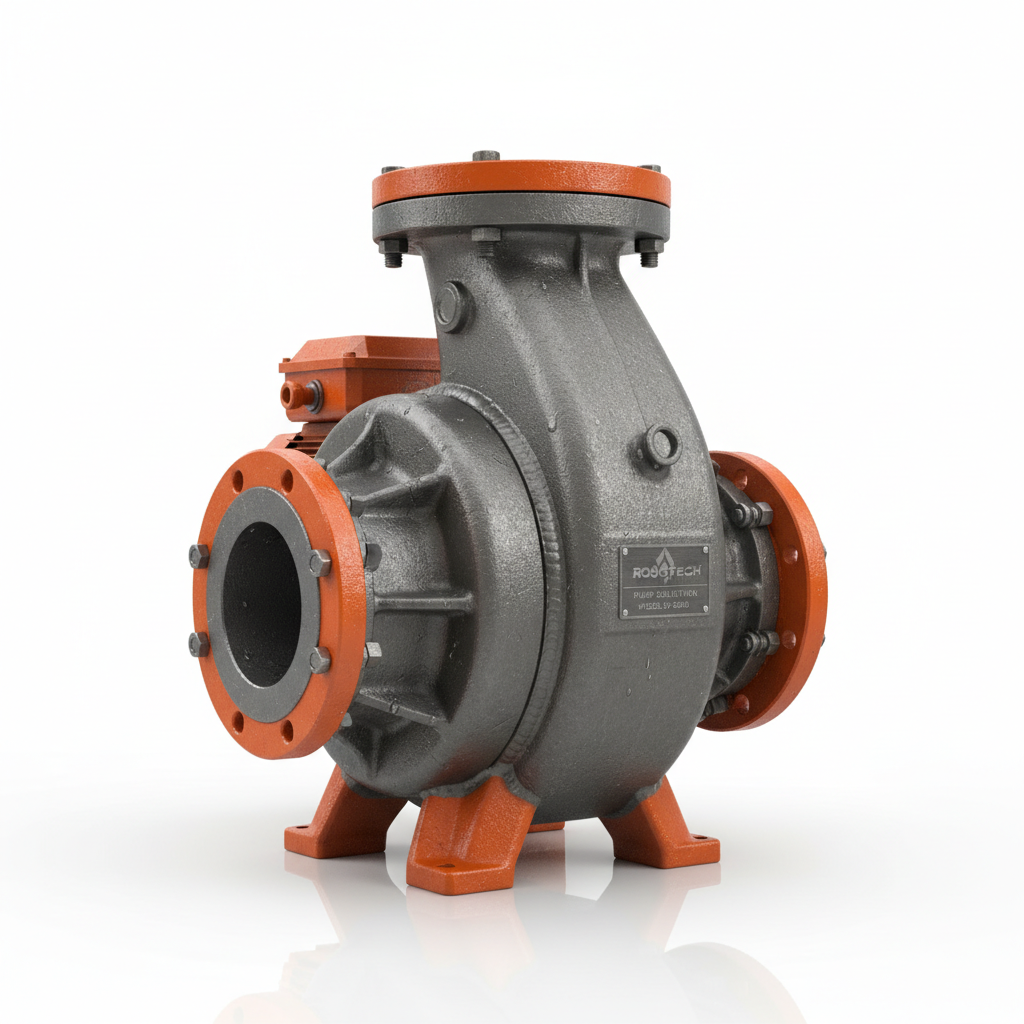
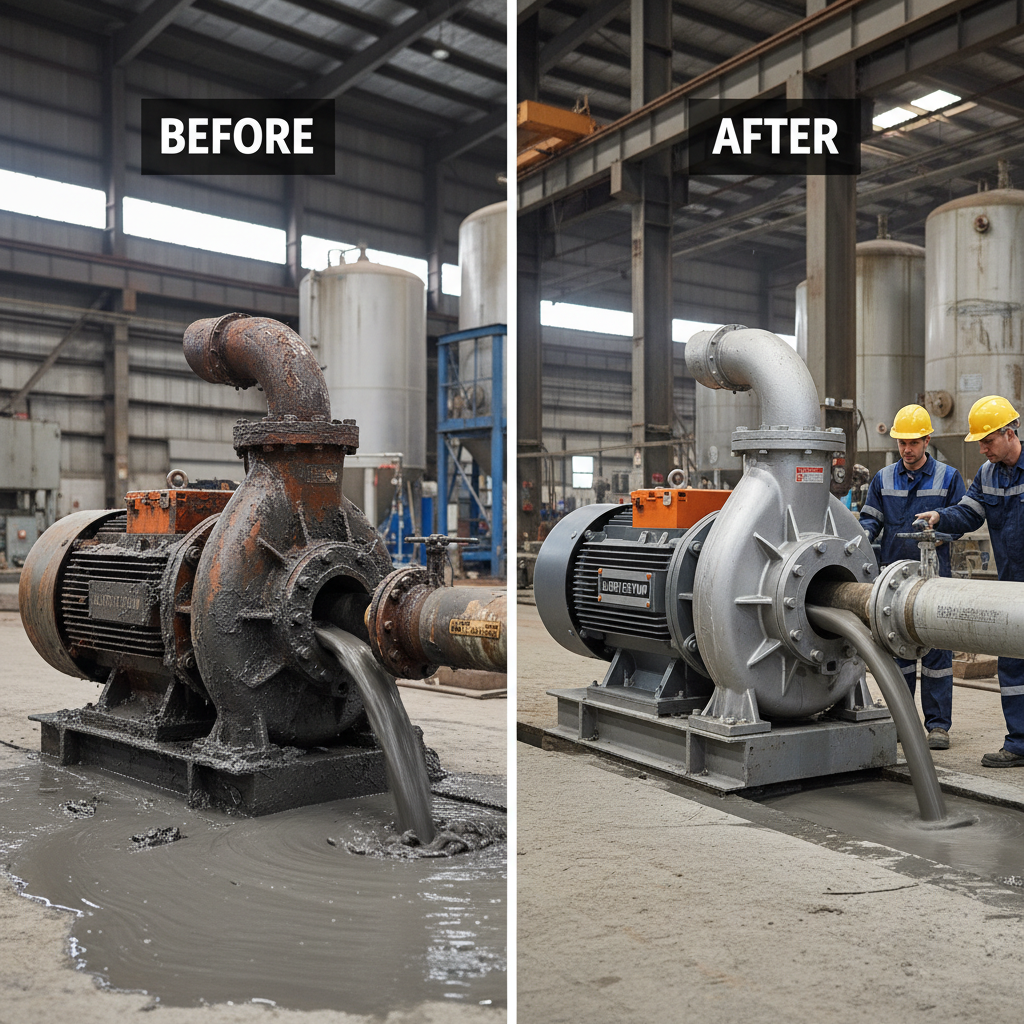
Selecting a reliable slurry pump vertical factory is a critical decision for industrial operations involving the transport of abrasive fluids. In the specialized field of pump and vacuum equipment manufacturing, vertical slurry pumps are engineered to handle high-concentration solids while minimizing the physical footprint within a plant, making them indispensable for mining and metallurgical processes.
The primary challenge for procurement managers is balancing wear resistance with operational efficiency. Poorly designed vertical pumps often suffer from premature impeller failure or seal leaks, leading to unplanned downtime and increased maintenance costs in harsh environments such as gold or copper mining.
This analysis provides a technical and strategic framework for evaluating vertical slurry pump manufacturing capabilities, focusing on material selection, design features, and the specific criteria required to ensure long-term performance in abrasive duty applications.

Critical Design Features of Vertical Slurry Pumps

A high-performance vertical slurry pump must integrate structural stability with hydraulic efficiency. Key features often include a cantilevered design that reduces the number of bearings in contact with the slurry, thereby reducing wear points. The use of a large diameter shaft with a short overhang is essential to minimize deflection and vibration during high-speed operation, which is critical for maintaining the integrity of the pump's internal clearances.
Furthermore, the integration of removable bearing cartridges and convenient impeller adjustment mechanisms allows for faster maintenance. In a factory setting, the ability to adjust the impeller position without dismantling the entire pump casing significantly reduces the Mean Time To Repair (MTTR).
Material Engineering for Abrasive Duty
The lifespan of a slurry pump is determined by the compatibility between the material and the handled medium. For heavy abrasive duty, high-chrome alloys and hard metals are the standard for impellers and liners. These materials provide the necessary hardness to resist the scouring action of minerals like iron ore, bauxite, and phosphate.
In contrast, some applications benefit from moulded elastomers which offer better resilience against finer, more corrosive slurries. The use of tapered mating faces in hard metal liners ensures positive alignment during assembly, which prevents localized wear patterns that can lead to rapid casing failure.
Industrial Application Scenarios
Vertical slurry pumps are primarily deployed where floor space is limited or where the source of the slurry is in a sump. They are extensively used in mineral processing for copper and gold mining, where they transport tailings or concentrates. In the chemical fertilizer industry, these pumps handle abrasive nutrient slurries, requiring a balance of corrosion and erosion resistance.
Other critical applications include water sewerage utilities and the electric industry (ash handling). In these sectors, the pump must operate consistently under varying slurry densities, often requiring multi-stage high-pressure capabilities ranging from 3,450 kPa to 6,890 kPa to move material across long distances.
Evaluating Performance Metrics
When assessing the output of a slurry pump vertical factory, performance is measured by the relationship between flow rate, head pressure, and the concentration of solids. The following illustrative framework compares the relative impact of different design variables on pump longevity and efficiency.
This conceptual index demonstrates that material hardness and seal integrity have the highest relative impact on the operational lifespan of the equipment, while impeller geometry primarily drives hydraulic efficiency.
Operational Risks and Mitigation
The most significant risk in vertical slurry pumping is "settling," where solids accumulate in the pump column during low-flow periods, leading to clogging. To mitigate this, factories implement deep side sealing vanes to relieve seal pressure and minimize recirculation, ensuring a steady flow velocity that keeps solids in suspension.
Another risk is seal failure. Using a combination of gland seals and centrifugal seals provides a redundant barrier against abrasive particles. Regular monitoring of the seal flush water is essential to prevent the ingress of solids into the bearing housing.
Manufacturer Selection Criteria
Choosing a manufacturer requires a look beyond the catalog. A professional slurry pump vertical factory should provide comprehensive quality control records, including hydrostatic test reports and rotor balancing reports. These documents verify that the pump can handle the designated pressure without casing deformation.
Expertise in custom material alloys (such as Ti or high-chrome) and the ability to offer a range of frame sizes (e.g., from 3/2 to 20/18) indicate a manufacturer's capacity to tailor solutions to specific gravity and viscosity requirements of the slurry.
Comparing Vertical vs Horizontal Configurations
The decision between a vertical and horizontal slurry pump depends on the installation environment and the nature of the fluid source. While horizontal pumps are often easier to access for some types of maintenance, vertical pumps offer distinct advantages in specific industrial layouts.
| Comparison Factor | Vertical Configuration | Horizontal Configuration | Decision Driver |
|---|---|---|---|
| Footprint | Minimal / Compact | Extensive | Available Floor Space |
| NPSH Requirement | Lower (Sumps) | Higher | Fluid Source Level |
| Maintenance Access | Columnar / Top-access | Lateral / Full-access | Facility Overhead |
| Stability | High (if anchored) | Very High | Vibration Tolerance |
| Installation Cost | Lower (no piping to sump) | Higher (requires suction piping) | Initial CAPEX |
| Abrasive Handling | High (with liners) | High | Solids Concentration |
Ultimately, for applications involving deep sumps or constrained industrial zones, the vertical configuration is the technically superior choice for maintaining efficient slurry throughput.
Frequently Asked Questions
The main advantages are a significantly smaller footprint and the ability to pump directly from a sump, eliminating the need for complex suction piping and reducing the risk of cavitation.
High-chrome alloys are ideal for extremely abrasive slurries (like iron ore). For more corrosive environments, Ti alloys or specialized elastomers are used to prevent chemical degradation.
Adjustment frequency depends on the abrasiveness of the slurry. Regular inspections every 3-6 months are recommended to ensure the impeller maintains optimal clearance for hydraulic efficiency.
Depending on the design and multi-stage configuration, they can operate in high-pressure ranges typically between 3,450 kPa and 6,890 kPa.
Request the rotor balancing report, hydrostatic test report, and physical/chemical property reports for the main materials used in the pump's construction.
Yes, specialized designs utilizing heat-resistant alloys and advanced seal systems can operate smoothly at temperatures up to 400°C.
Conclusion
The efficiency of a slurry transport system relies heavily on the technical specifications and material integrity of the pumps used. By prioritizing cantilevered designs, high-chrome wear liners, and rigorous quality verification, operators can significantly extend the service life of their equipment and reduce total operational costs in demanding mining and metallurgical environments.
For organizations seeking engineered pumping solutions and technical support, further product information and specifications can be reviewed at www.kingmechpump.com to ensure the selected equipment matches specific application requirements.