Understanding Slurry Pumps: More Than Just Moving Mud
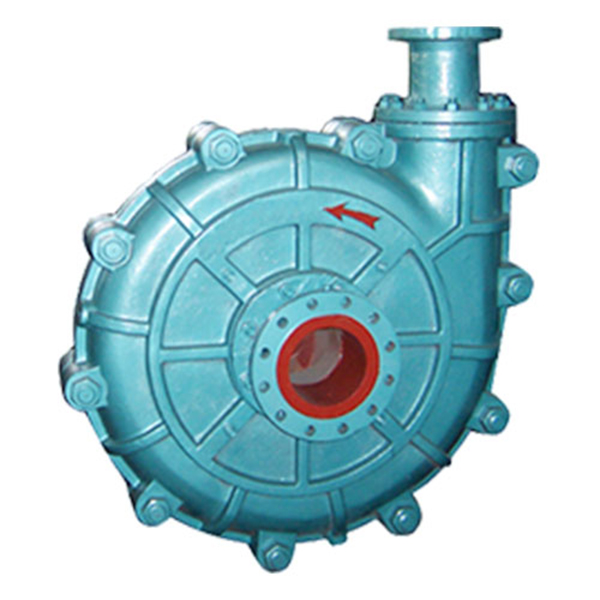
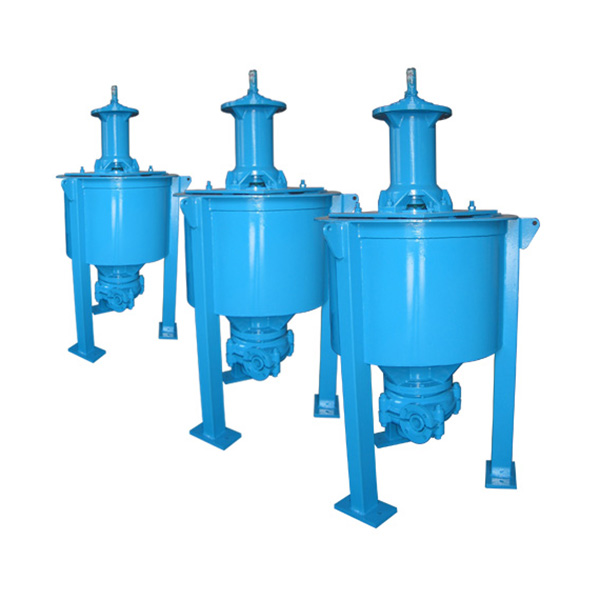
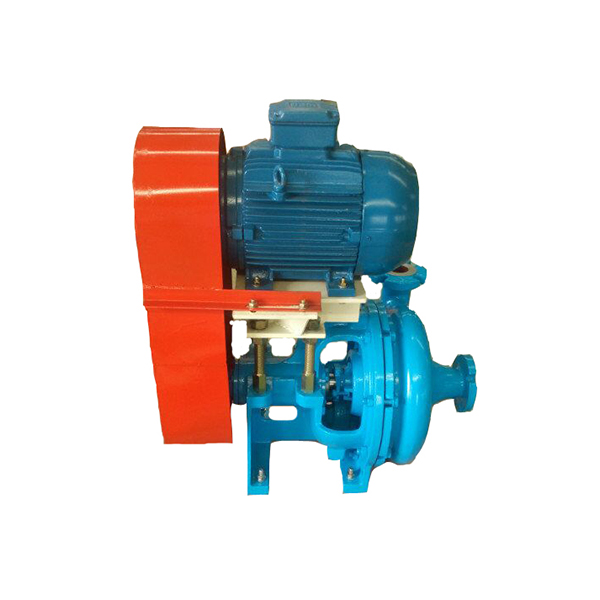
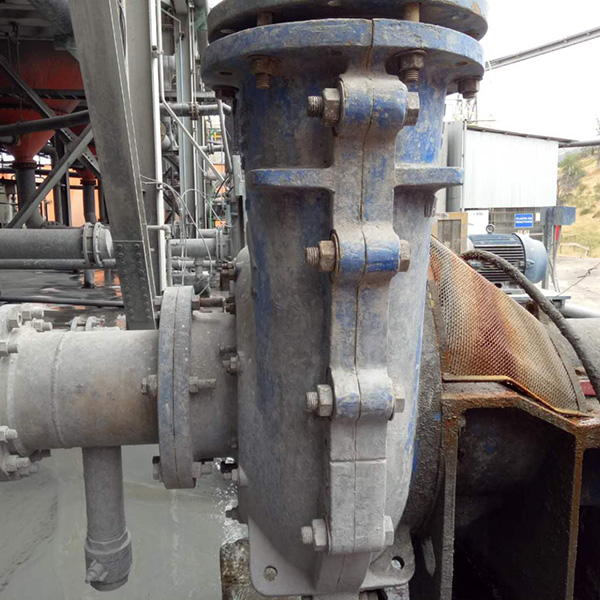
You know, I’ve spent a good chunk of my career around industrial pumps. And slurry pumps… well, they're a breed apart. It’s not just about getting liquid from A to B; it’s about dealing with abrasive, corrosive, and frankly, messy stuff. Abrasive solids – sand, gravel, even chunks of rock – are the name of the game. And the wrong pump? It’ll be eating through impellers like they’re cookies. There's a lot of talk about newer materials, smarter designs, and predictive maintenance now, which is great, because downtime in a slurry application can be expensive. We've seen a huge shift in demand for more robust and efficient solutions, especially in mining and wastewater treatment.
Key Features & Design Considerations
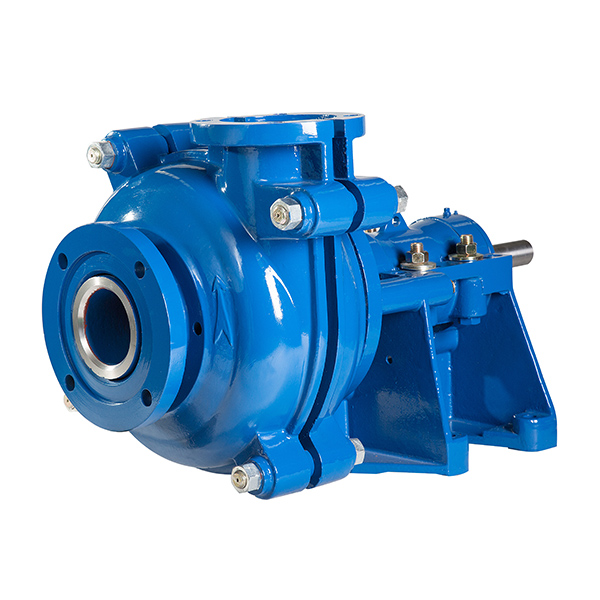
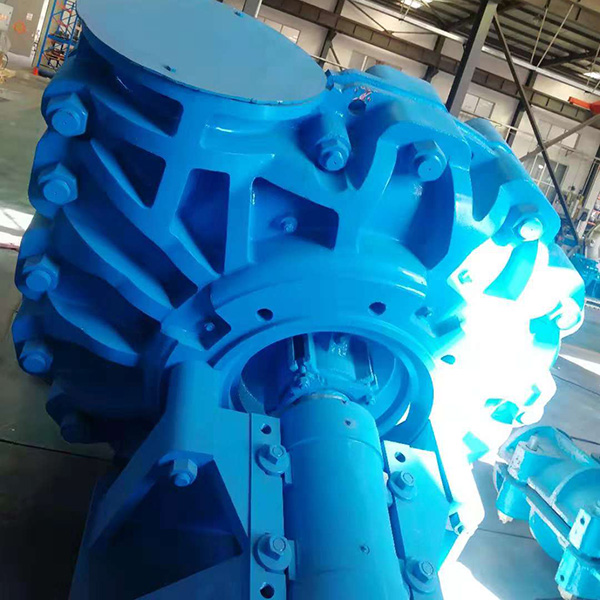
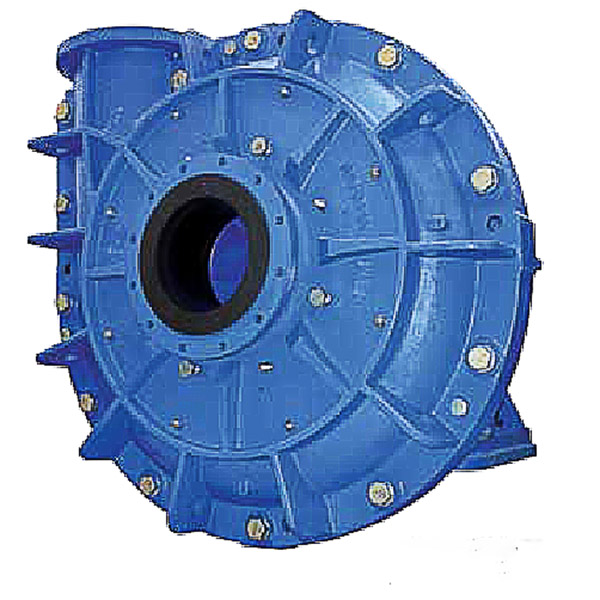
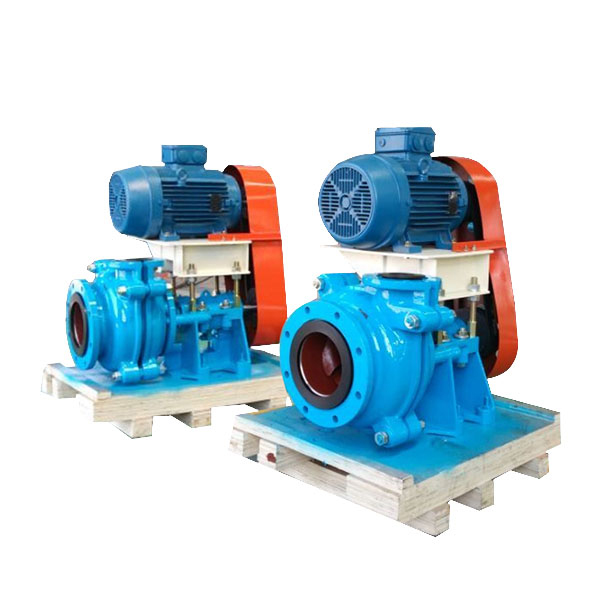
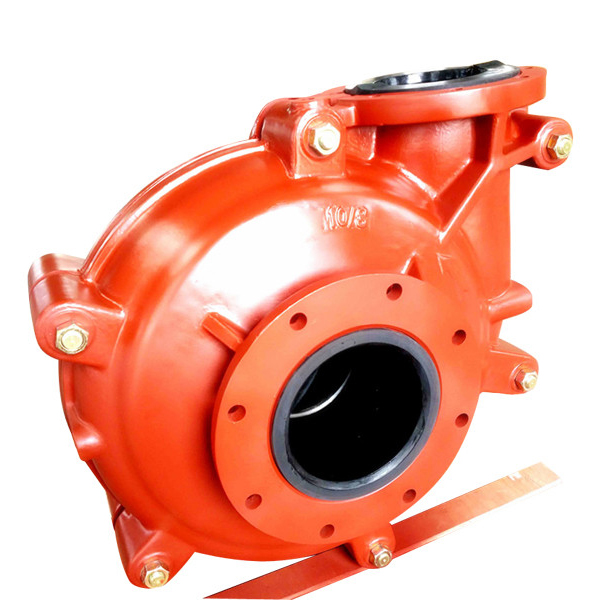
So, what makes a good slurry pump? It’s a combination of factors. The impeller design is crucial – a high-chrome alloy impeller is pretty standard, but the specific geometry changes a lot based on the slurry’s characteristics. Then you’ve got the casing material, the shaft sealing, and the liner. I suppose it’s a bit like building with Lego: everything has to fit together perfectly to handle the stress. Here’s a quick rundown of the specs for our KM series pumps, which we’ve been refining for years:
| Parameter |
Specification (KM-100 Model) |
Notes |
| Max. Solid Size |
75mm (3 inches) |
Adjustable based on impeller |
| Max. Flow Rate |
250 m³/hr (1100 GPM) |
Dependent on head pressure |
| Max. Head |
60 meters (197 feet) |
|
| Casing Material |
High-Chrome Alloy Steel |
For excellent wear resistance |
Choosing the Right Vendor: A Quick Comparison
Now, let's be honest – there are a lot of pump manufacturers out there. Choosing the right one can be tricky. It feels like everyone says they have the best pump, but looking at real-world performance and support is what matters. Here's a quick comparison of a few key players, based on my experience and what engineers consistently tell me:
| Vendor |
Product Range |
Service & Support |
Price Point |
| King Mech Pump (https://www.kingmechpump.com) |
Wide range, specializing in abrasive slurries |
Excellent; responsive, proactive maintenance plans |
Competitive |
| Grundfos |
Broad; good for general industrial applications |
Good, but can be slower with specialized slurry issues |
Higher |
| Flowserve |
Comprehensive; large-scale industrial solutions |
Strong, but often geared towards major projects |
Very High |
Final Thoughts
Ultimately, choosing a slurry pump isn't just about the initial cost; it's about the total cost of ownership. Reliability, maintenance, and long-term performance are critical. I've seen too many projects delayed—and budgets blown—because someone cut corners on the pump.
References:
- Industry durability reports, HKaiseal 2023
- Maintenance strategies for conveyor equipment, Journal of Manufacturing 2022
- Personal project insights & engineer interviews 2018–2023