19 Tháng Một 2026
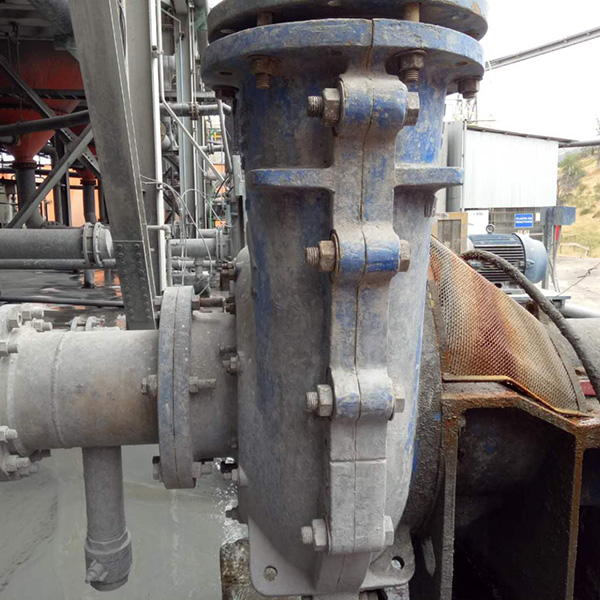
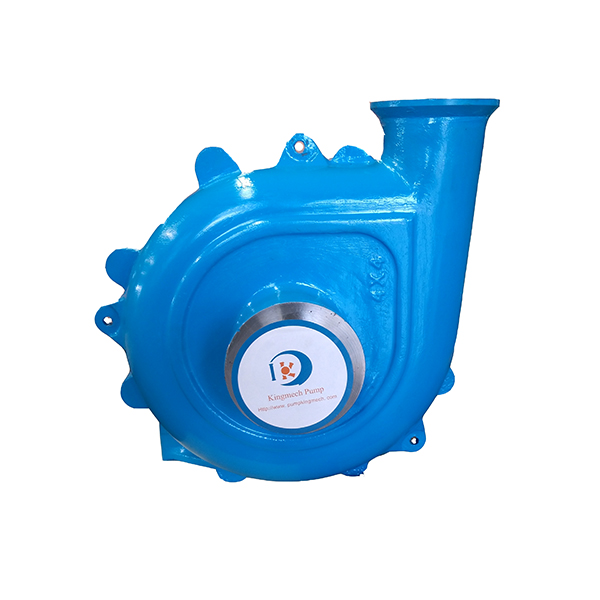
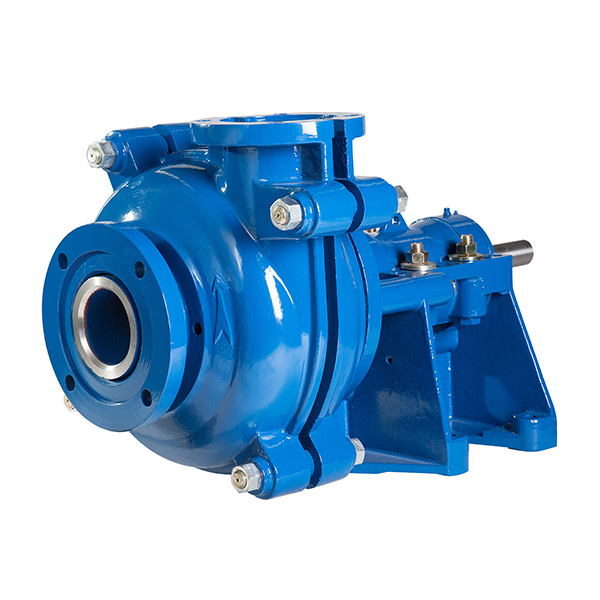
A pump for slurry is engineered to handle abrasive and high-density slurries, commonly encountered in mining, dredging, and industrial wastewater applications. When selecting a pump for slurry, factors such as slurry density, particle size, flow rate, and operating conditions are critical. A well-chosen pump for slurry minimizes maintenance, reduces wear on impellers and casings, and ensures consistent performance over long periods. For iron, copper, and gold mining operations, a high-quality pump for slurry is indispensable, providing reliable pumping in challenging environments while maintaining energy efficiency. Advanced pump for slurry designs also help in reducing operational downtime and extending pump life, making them essential for modern industrial applications.
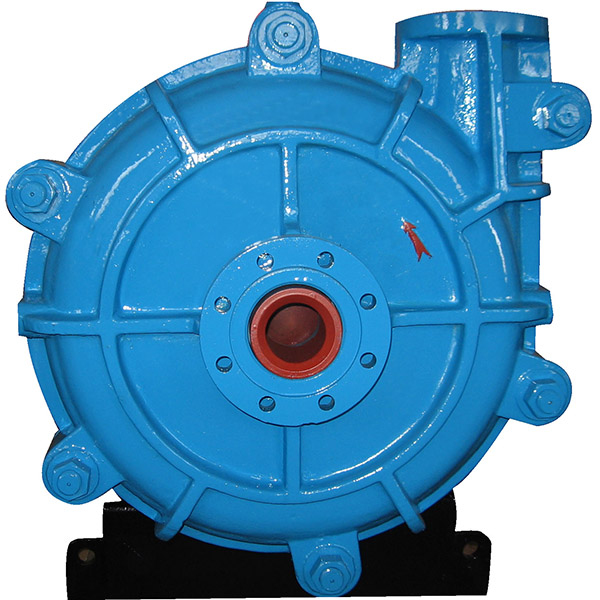
A sludge pump is designed to handle thick, viscous mixtures containing solids and liquids, commonly found in mining tailings, wastewater treatment, or dredging projects. A reliable sludge pump reduces the risk of clogging, maintains high flow rates, and ensures smooth operation in abrasive or chemically active sludges. In Southeast Asian water-based mining or dredging operations, a sludge pump helps maintain efficient material transfer while minimizing operational risks. Routine maintenance of a sludge pump, including inspection of seals, impellers, and liners, ensures long-term performance. Selecting a suitable sludge pump is crucial for operational efficiency, cost reduction, and meeting environmental standards in industrial and mining projects.
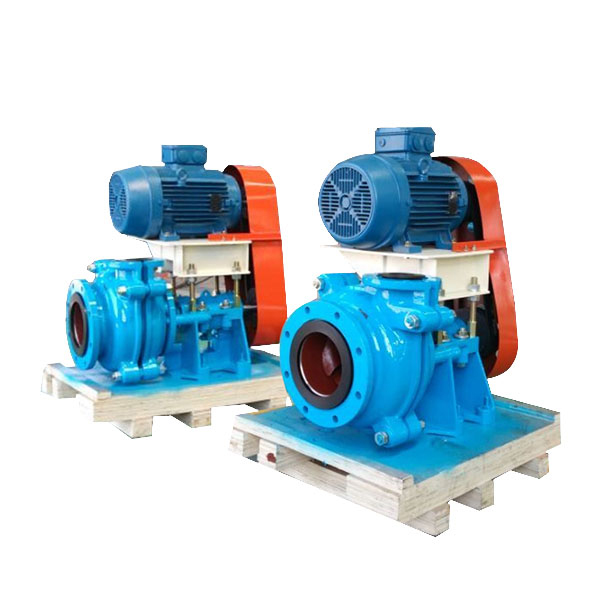
For smaller-scale operations, a small slurry pump provides portability, easy installation, and energy-efficient operation. Despite its compact size, a small slurry pump is engineered to handle abrasive materials and maintain consistent flow rates in pilot mining projects, laboratory-scale testing, or small mining sites. A properly selected small slurry pump ensures compatibility with different slurry viscosities, densities, and pipeline configurations. Daily care and monitoring of a small slurry pump—including cleaning, checking seals, and lubrication—prolongs its service life and prevents unexpected downtime. Using a small slurry pump allows operators to achieve precise material handling while minimizing maintenance costs and operational complexity.
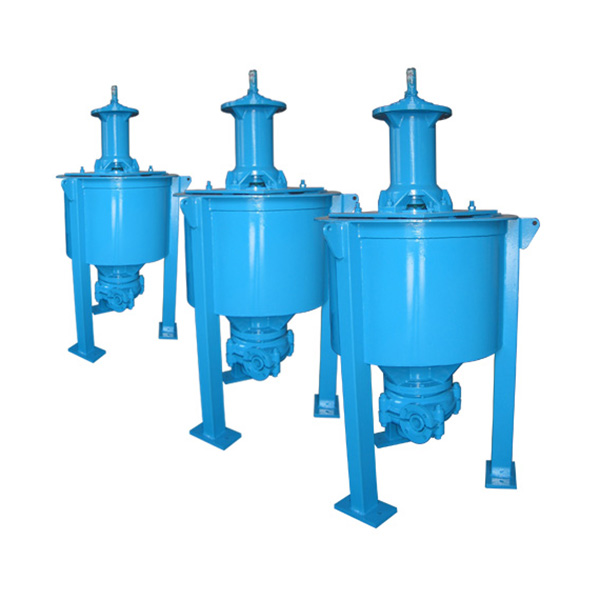
An industrial sludge pump is built for continuous, high-volume operation in heavy-duty mining, dredging, and wastewater treatment plants. Industrial operations involving iron, copper, or gold ores rely on industrial sludge pumps to transfer thick slurries containing large solid particles reliably. Modern industrial sludge pumps feature replaceable wear parts, corrosion-resistant liners, and optimized impeller designs to ensure maximum efficiency and minimal energy consumption. Daily inspections, proper lubrication, and monitoring of operational parameters help keep industrial sludge pumps performing at peak efficiency. In dredging projects, particularly in Southeast Asia, industrial sludge pumps are critical for effective sediment removal and slurry management.
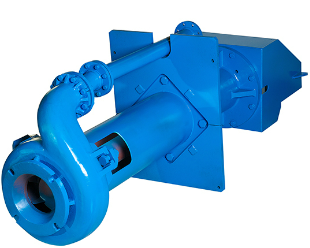
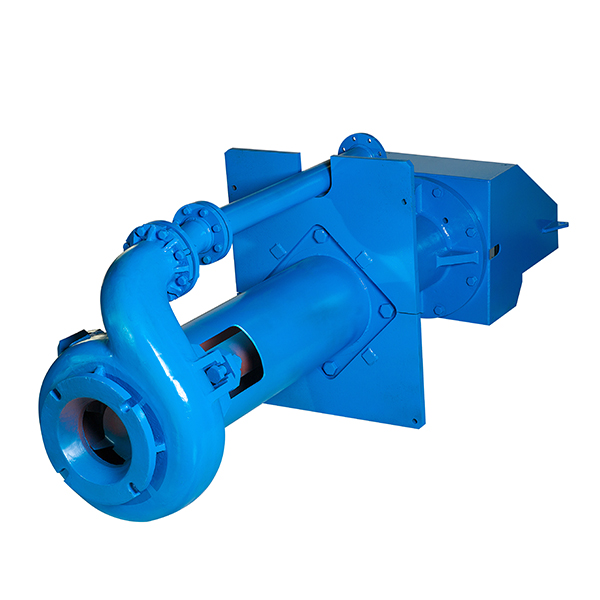
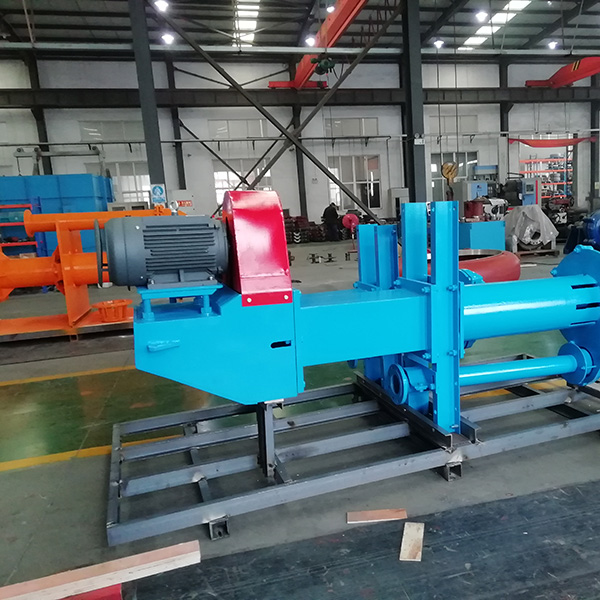
A slurry vacuum pump is designed for suction and transfer of slurry from low points, sumps, or dredging sites where gravity flow is insufficient. The porous and abrasive nature of slurries requires a slurry vacuum pump with strong suction capacity, corrosion-resistant materials, and stable performance. Slurry vacuum pumps are widely used in dredging projects, tailings management, and water-based mining operations, ensuring continuous material transfer without interruption. Proper startup procedures and pre-operation checks—such as verifying priming, piping, and seal integrity—are essential for the longevity and efficiency of a slurry vacuum pump. Regular cleaning and preventive maintenance reduce wear and prolong operational life.
Choosing a slurry pump suitable for your operation depends on slurry characteristics, required flow rate, and system layout. Key steps include:
Slurry Analysis: Evaluate density, viscosity, particle size, and chemical composition.
Pump Type Selection: Horizontal, vertical, submersible, or vacuum pumps depending on site requirements.
Material Choice: Opt for wear-resistant alloys and corrosion-resistant materials.
Installation Checks: Ensure correct alignment, priming, and secure piping.
Daily Maintenance: Inspect seals, impellers, and lubrication systems regularly.
Startup Precautions: Confirm proper priming, no airlocks, and stable electrical connections before operation.
For iron, copper, and gold mines, as well as dredging projects in Southeast Asia, following these procedures ensures maximum performance, minimal downtime, and extended equipment life. Hebei Xiangmai Pump Co., Ltd. provides expert guidance on slurry pump selection, installation, and maintenance to meet the specific needs of industrial and mining clients.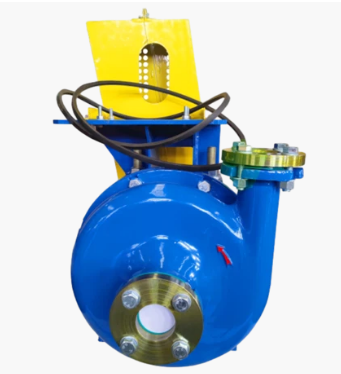
Consider slurry density, viscosity, particle size, flow rate, and application conditions to choose the optimal pump for slurry.
Inspect impellers, liners, seals, and lubrication points, and remove any debris to maintain efficiency.
Verify priming, pipe connections, alignment, and ensure no debris in the pump chamber to prevent damage.
They are widely used in iron, copper, and gold mining, dredging projects, and wastewater treatment for high-volume slurry handling.
It allows efficient suction of slurry from low points, tailings, or water-based mining sites, ensuring continuous operation and reduced downtime.
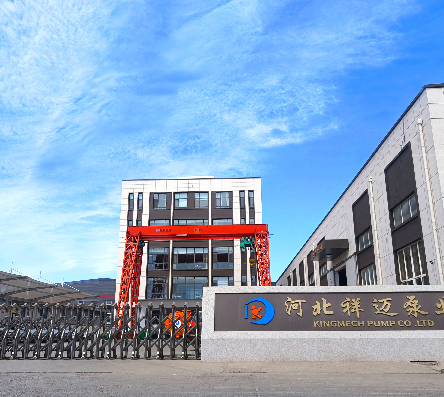
Hebei Xiangmai Pump Co., Ltd., established in 2013, specializes in slurry pumps and their spare parts. With 10+ series, 100+ design variants, and over 1,000 configurations, we deliver application-specific solutions across mining, dredging, and industrial sectors. Our engineers provide technical guidance from selection to installation and after-sales support.
Whether you are managing an iron, copper, or gold mining site, or conducting dredging operations, Hebei Xiangmai’s slurry pumps offer reliable, durable, and high-performance solutions. Visit our website today to explore product options, consult experts, and select the right pump for your project. Proper pump selection, routine maintenance, and careful startup will ensure long-lasting performance and efficiency.