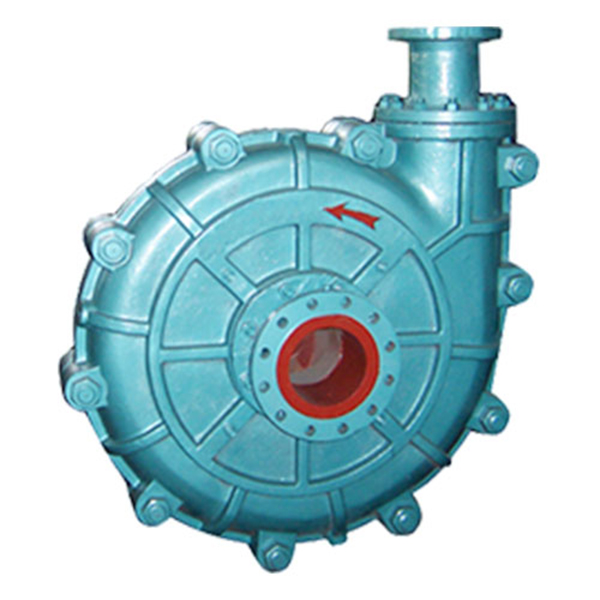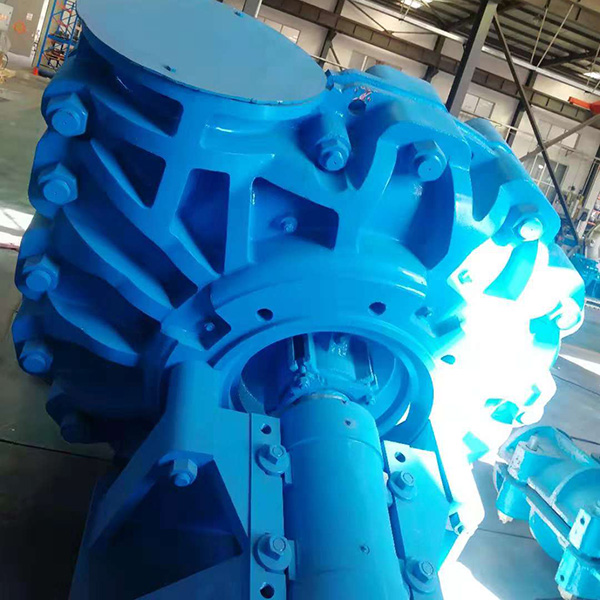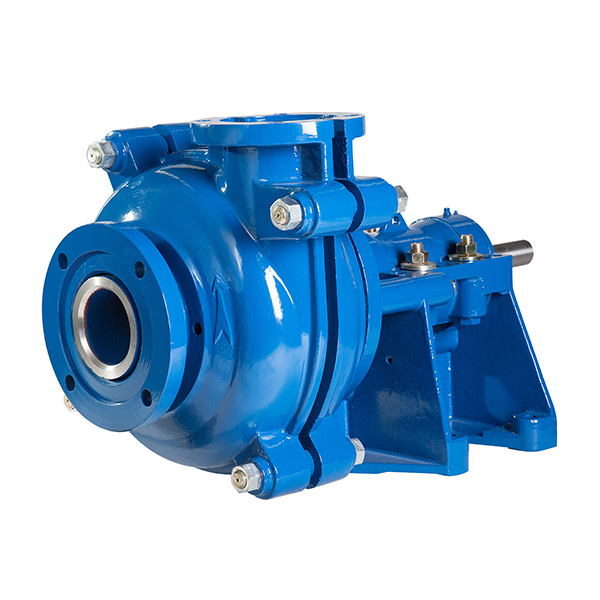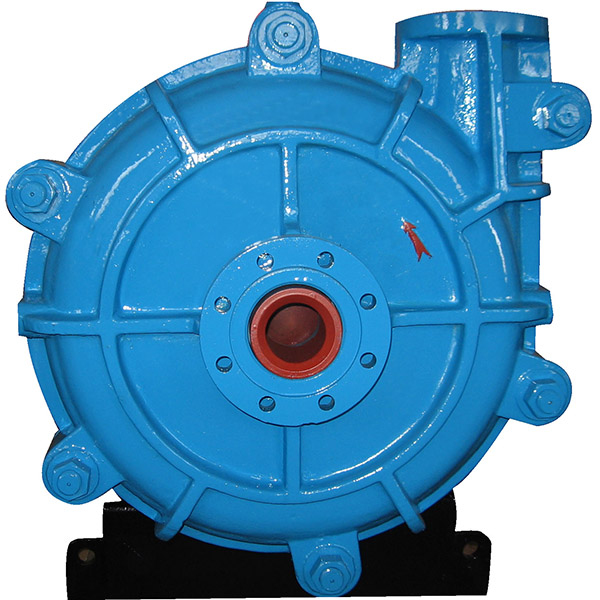
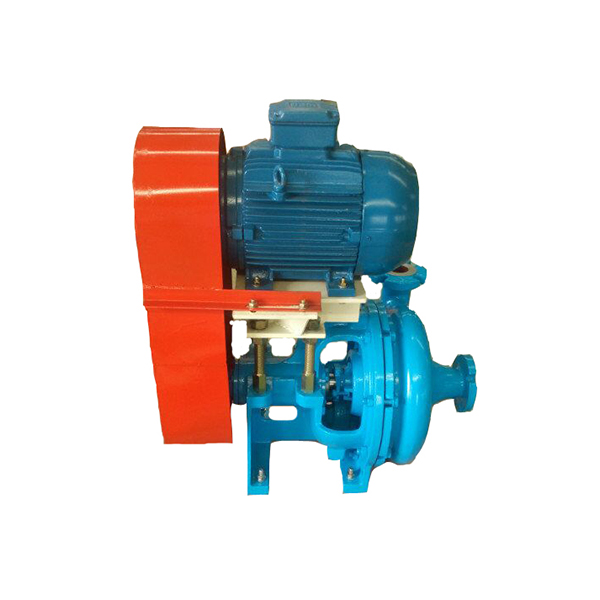
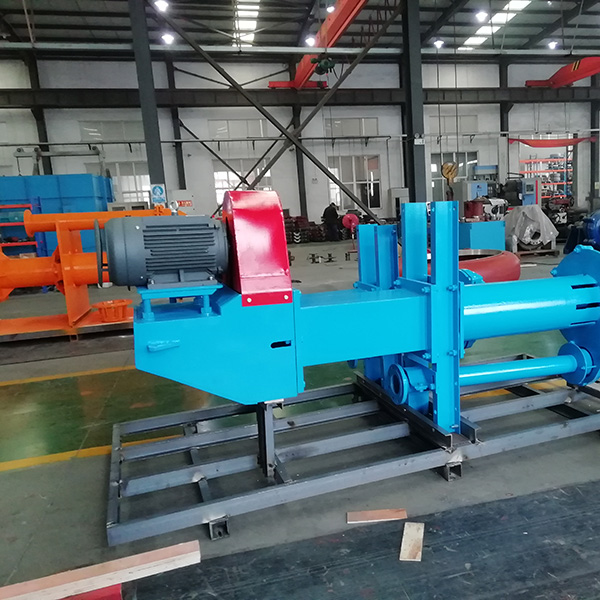
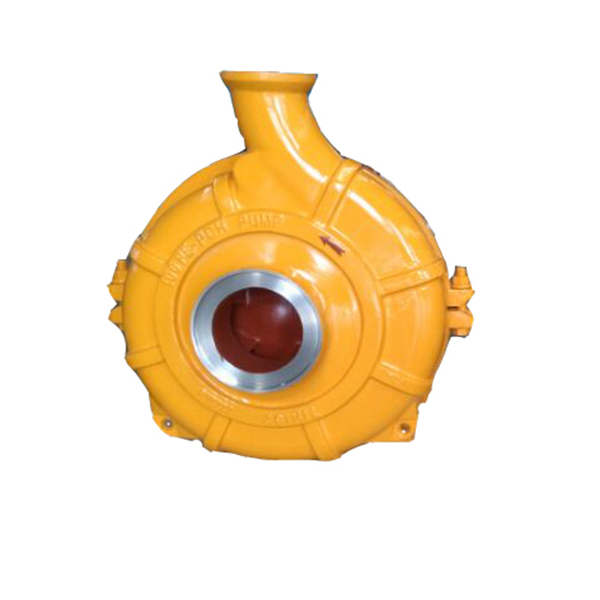
In Libya, the industrial landscape is heavily influenced by the presence of oil, gas, and mineral extraction. The extreme temperature fluctuations of the Sahara Desert place immense stress on mechanical seals and pump casings, necessitating the use of a ceramic slurry pump to combat high-temperature abrasion and chemical corrosion.
Water scarcity in many Libyan regions means that industrial processes often rely on recycled or contaminated water. This has led to a critical demand for a robust dirty water slurry pump capable of handling high solids content without frequent clogging or premature impeller failure.
Furthermore, the remote nature of Libyan extraction sites often means limited access to a stable electrical grid. Consequently, the deployment of a heavy sludge pump powered by independent diesel engines is not just a preference, but a operational necessity for site continuity.