
Industrial Heavy-Duty lithium slurry pump Solutions for Argentina

High-performance fluid handling systems engineered for the demanding mining and industrial landscapes of South America.

Industrial Heavy-Duty lithium slurry pump Solutions for Argentina

Providing Argentina's extractive industries with precision-engineered pumping technology to handle the most abrasive and corrosive slurries in the Lithium Triangle.

Current State of Slurry Pumping in Argentina

Navigating the challenges of high-altitude mining and chemical processing.

Argentina's industrial sector, particularly in the Puna region, faces extreme environmental conditions. The prevalence of saline lakes and the expansion of lithium brine extraction have created an urgent demand for a specialized ceramic slurry pump capable of resisting high chemical corrosion and abrasive wear.

In urban and municipal infrastructure projects across Buenos Aires and Córdoba, the management of contaminated runoff requires a robust dirty water slurry pump. The combination of industrial waste and seasonal flooding often leads to rapid equipment degradation, necessitating materials with higher hardness and better sealing technology.

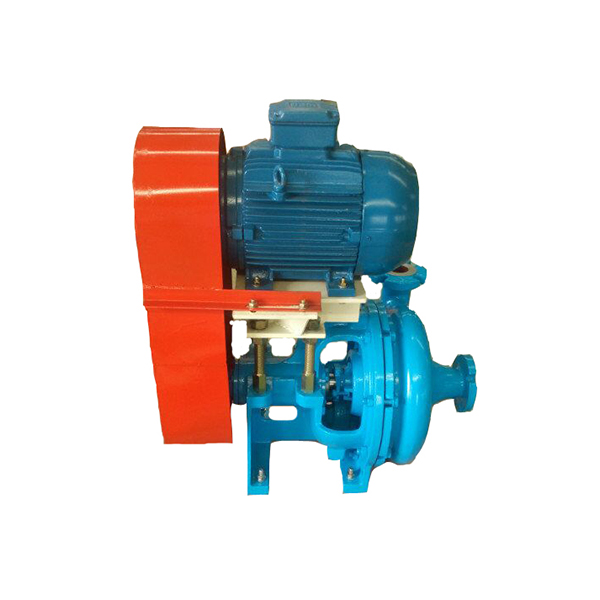
Furthermore, remote mining sites in the Andes often lack stable electrical grids. This has led to a significant reliance on the engine driven slurry pump, which provides the necessary autonomy and mobility to move thick tailings in off-grid locations.
Evolution of Pumping Technology in Argentina

From traditional cast iron to advanced composite materials.

Market Development History

In the 1990s, Argentina relied primarily on basic centrifugal pumps made of cast iron. These were sufficient for low-concentration fluids but failed rapidly when encountering the abrasive nature of local mineral ores.

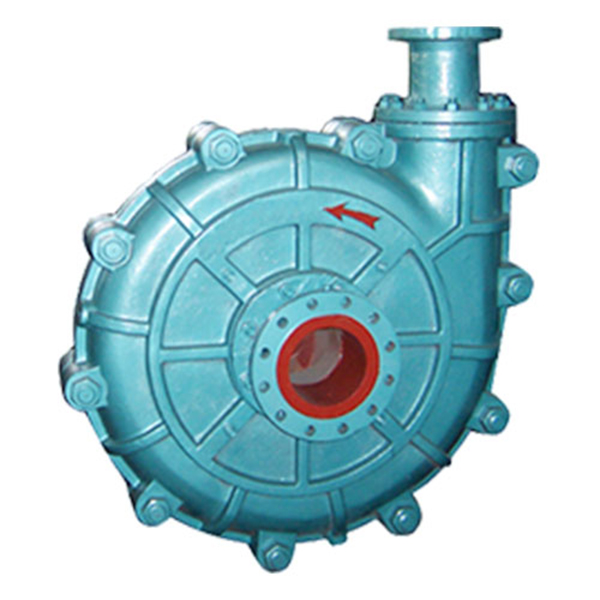
By the mid-2010s, there was a shift toward high-chrome alloy liners. This era saw the introduction of the heavy sludge pump to handle higher solids-to-liquid ratios in the growing gold and silver mining sectors of San Juan.

From 2020 to the present, the "Lithium Rush" has pushed the industry toward advanced ceramic coatings and specialized polymers to handle the aggressive brine chemistry found in the Salar de Hombre Muerto.

Future Development Trends

Intelligent Flow Monitoring

Integration of IoT sensors to monitor wear rates in real-time, reducing unplanned downtime in remote Argentinian sites.

Carbon-Neutral Powering

A transition from diesel-powered units to hybrid and electric drives to meet South American environmental regulations.

Ultra-High Density Handling

Development of pumps capable of transporting hyper-thickened tailings to reduce water consumption in arid regions.

Industrial Trends and Future Outlook

Strategizing for the next era of fluid dynamics in South America.

Materials Innovation
Adopting silicon carbide and alumina ceramics to extend the lifespan of pump internals against lithium brine.
Energy Optimization
Implementing Variable Frequency Drives (VFD) to optimize energy use in large-scale Argentinian mining operations.
Remote Automation
Developing autonomous pumping stations that require minimal human intervention in the high Puna plateau.
Water Recovery
Advanced sludge handling to facilitate water recycling in water-scarce Argentinian provinces.

Industry Outlook

According to regional industrial trends, the demand for specialized slurry pumps in Argentina is expected to grow by 6% annually over the next five years, driven largely by the "Green Energy" transition and lithium demand.

We anticipate a shift toward modular pump designs that can be quickly deployed and replaced in the field, reducing the logistical burden of transporting heavy machinery to remote Andean heights.

Localized Application Scenarios in Argentina

Real-world deployments across Argentina's diverse industrial landscape.

1. Lithium Brine Extraction in Salta & Jujuy

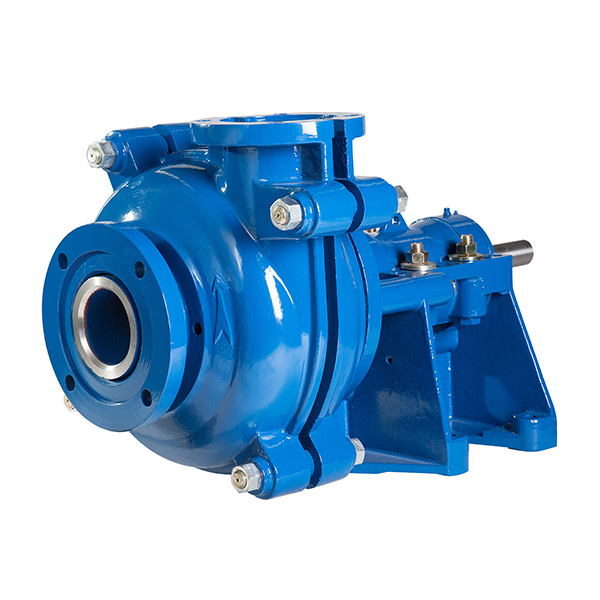
Utilizing the lithium slurry pump to transport highly corrosive concentrated brines from evaporation ponds to processing plants without impeller erosion.

2. Gold & Silver Tailings in San Juan

Deploying the heavy sludge pump to manage the transport of thick mineral waste to tailings dams, ensuring consistent flow and preventing pipe blockage.

3. Off-Grid Mining in the Andes

Implementation of the engine driven slurry pump for remote site drainage and slurry movement where electrical infrastructure is non-existent.

4. Industrial Wastewater Treatment in Rosario

Applying the dirty water slurry pump to handle urban industrial runoff containing suspended solids and chemical contaminants.

5. Chemical Abrasive Processing in Buenos Aires

Using a ceramic slurry pump in specialized chemical factories to move abrasive slurries that would destroy standard stainless steel pumps.

Brand Story

Global Development Journey of Hebei Xiangmai Pump Industry Co., Ltd.

Foundation & Engineering Focus

Established with a mission to solve the most critical wear problems in slurry transport, focusing on metallurgy and fluid dynamics.

Material Breakthroughs

Developed proprietary ceramic-composite liners that increased pump lifespan by 300% for abrasive mining applications.

Global Market Expansion

Expanded operations into South America, establishing a strong presence in Argentina's mining and industrial hubs.

Sustainability Initiatives

Launched a series of energy-efficient pumps designed to reduce the carbon footprint of global mining operations.

Industry Leadership

Now recognized as a premier provider of heavy-duty slurry solutions, dedicated to engineering excellence and customer success.

Comprehensive Slurry Pump Portfolio for Argentina

A full range of pumping solutions tailored for the Argentinian industrial landscape.

Frequently Asked Questions in Argentina

Technical support and guidance for regional slurry pump applications.

How to choose the right ceramic slurry pump for lithium brine in Argentina?

You should evaluate the brine's pH level and the concentration of suspended solids. Our ceramic pumps use high-purity alumina or silicon carbide to ensure zero corrosion in high-salinity environments.

Can an engine driven slurry pump handle high-altitude conditions in the Andes?

Yes, our engines are tuned for high-altitude performance to compensate for lower oxygen levels, ensuring consistent torque and flow rates for remote mining sites.

What is the typical maintenance cycle for a heavy sludge pump in mining?

Depending on the abrasive nature of the ore, we recommend inspecting liners every 3-6 months. Our modular designs allow for rapid liner replacement to minimize downtime.

Is a dirty water slurry pump suitable for urban flood control in Buenos Aires?

Absolutely. These pumps are designed to handle water with significant debris and suspended solids, making them ideal for municipal drainage and flood management.

What advantages does a lithium slurry pump offer over standard centrifugal pumps?

Standard pumps suffer from rapid pitting and erosion. Our specialized pumps use corrosion-resistant alloys and specialized seals to withstand the aggressive chemistry of lithium brine.

Do you provide custom impellers for specific slurry densities in Argentina?

Yes, we offer custom-engineered impellers tailored to the specific gravity and viscosity of your slurry to optimize efficiency and reduce wear.

Get Expert Pumping Advice

Our engineering team is ready to help you optimize your slurry handling systems in Argentina.

Contact Us Now
tel
email
tel
goTop

If you are interested in our products, you can choose to leave your information here, and we will be in touch with you shortly.