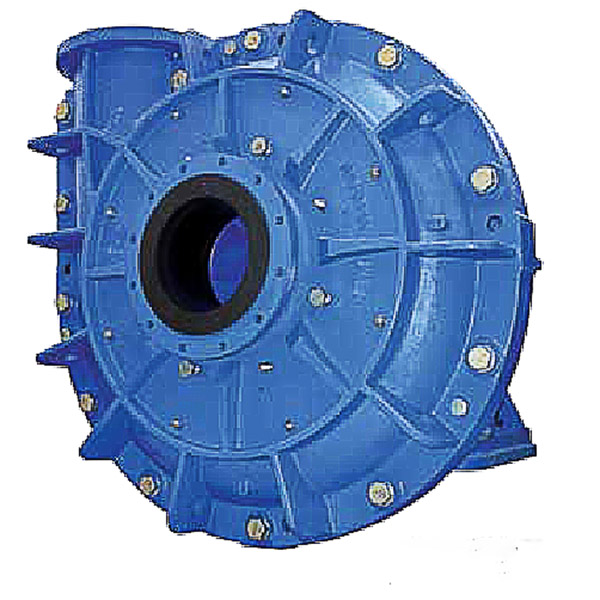
Industrial Slurry Management Solutions for Mongolia: High-Performance engine driven slurry pump

Optimizing mineral extraction and waste management in Mongolia's extreme environments with world-class pumping technology.

Industrial Slurry Management Solutions for Mongolia: High-Performance engine driven slurry pump

Providing the Mongolian mining and industrial sectors with robust, wear-resistant pumping systems designed to handle the most abrasive materials under extreme climatic conditions.

Current Landscape of Slurry Transport in Mongolia

Analyzing the operational challenges of pump systems in the Gobi Desert and Northern steppes.

Mongolia's industrial sector is heavily reliant on mining, where the transport of abrasive ores requires a specialized ceramic slurry pump to combat extreme wear. The geographical vastness and lack of power infrastructure in remote mining sites make diesel-powered autonomy a necessity for operational continuity.

The extreme temperature fluctuations, ranging from -40°C in winter to 40°C in summer, place immense stress on pump seals and casings. Many sites still struggle with frequent downtime caused by the use of standard pumps that cannot handle a heavy sludge pump application, leading to costly maintenance cycles.

Furthermore, the rise of lithium processing in the region has introduced new chemical complexities. The demand for a specialized lithium slurry pump is growing as the country seeks to move up the value chain from raw ore export to refined battery materials.
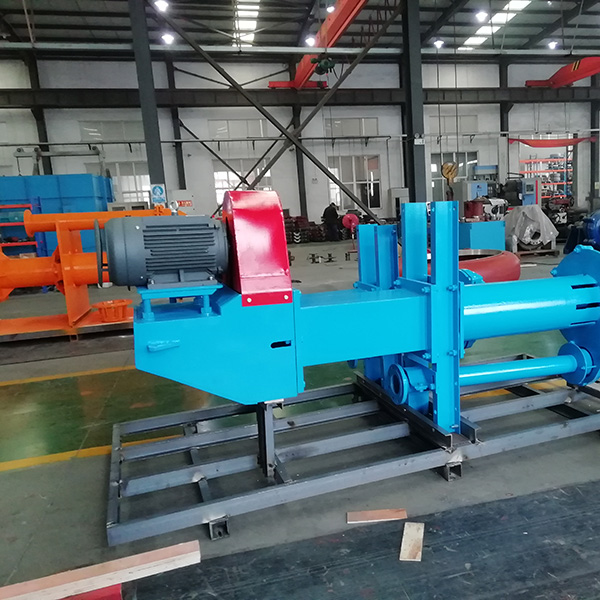
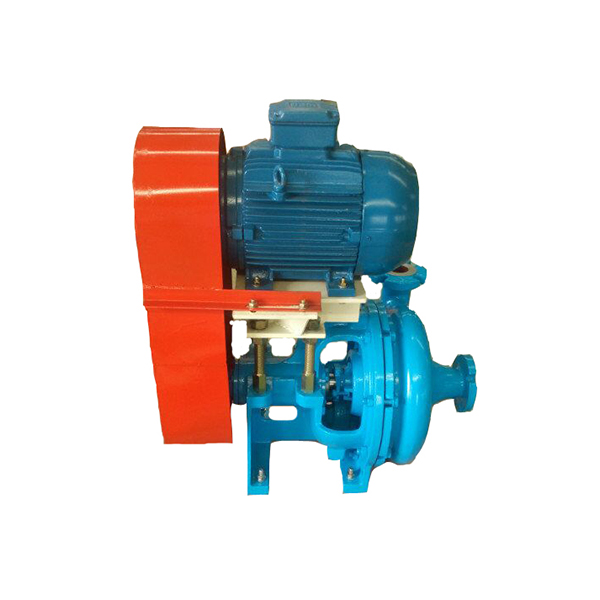
Evolution and Trajectory of Mongolia's Pumping Technology

From basic centrifugal systems to intelligent, wear-resistant slurry solutions.

Market Development History

In the early 2000s, the Mongolian mining sector relied primarily on imported general-purpose pumps. These systems frequently failed when encountering the highly abrasive volcanic and metallic sediments typical of the region, resulting in high replacement costs.

Between 2010 and 2020, there was a shift toward reinforced alloys and the introduction of the dirty water slurry pump to handle mine tailings and runoff more efficiently, reducing the environmental impact of tailings dams.

Since 2021, the focus has pivoted toward material science. The integration of ceramic liners and high-torque diesel engines has allowed operators to maintain flow rates in remote sites without relying on an unstable electrical grid.

Future Development Trends

Autonomous Remote Monitoring

Integration of IoT sensors to monitor impeller wear and vibration in real-time, reducing unplanned shutdowns in the Gobi region.

Eco-Friendly Power Systems

Transitioning from traditional diesel to hybrid power for slurry pumps to meet stricter environmental regulations in Mongolia's protected areas.

Advanced Material Integration

Widespread adoption of silicon carbide and advanced polymers to extend the service life of pumps handling corrosive lithium brines.

Industry Trends and Future Outlook

Strategic directions for fluid handling in the Mongolian mineral sector.

Wear Resistance Optimization
Increasing the use of ceramic internals to handle high-density mineral slurries with minimal erosion.
Off-Grid Mobility
Enhancing engine-driven portability for rapid deployment in remote Mongolian exploration sites.
Chemical Compatibility
Developing specialized alloys for lithium processing to prevent chemical corrosion.
Sustainable Water Cycle
Improving water recovery from sludge to conserve scarce water resources in the Gobi region.

Industry Outlook

The trend in Mongolia is moving toward "Integrated Mining Fluid Management." Google search data suggests a rising interest in high-durability components that can withstand extreme temperatures while handling heavy solids.

Over the next 3-5 years, we expect a surge in the demand for automated slurry systems that integrate directly with mine management software, ensuring that pumps operate at peak efficiency to lower the overall cost per ton of material moved.

Local Application Scenarios in Mongolia

Practical implementations of high-performance slurry pumps across various Mongolian sectors.

01. Copper and Gold Mine Tailings

Utilizing a heavy sludge pump to transport high-density mineral waste from extraction points to settling ponds, ensuring stability and leak prevention.

02. Lithium Brine Extraction

Deployment of a lithium slurry pump in specialized processing plants to handle chemically active fluids without compromising equipment integrity.

03. Remote Site Dewatering

Using an engine driven slurry pump for rapid water removal in exploration pits where electricity is unavailable, enabling faster drilling progress.

04. Industrial Wastewater Treatment

Implementing a dirty water slurry pump for municipal and industrial drainage in Ulaanbaatar's growing industrial zones to handle sediment-heavy runoff.

05. Hard Rock Abrasive Transport

Applying a ceramic slurry pump for the movement of crushed ore concentrates, significantly reducing the frequency of impeller replacements.

Brand Story

Global Development History of Hebei Xiangmai Pump Industry Co., Ltd.

Foundational Engineering

Established as a specialist in fluid dynamics, focusing on solving the most difficult abrasive pumping problems for the global mining industry.

Material Innovation

Pioneered the use of high-chromium alloys and ceramics in pump internals, setting new standards for wear-life in slurry applications.

Global Market Expansion

Expanded operations to serve the extreme climates of Central Asia and Mongolia, tailoring pump designs for severe temperature swings.

Technology Integration

Launched the smart-monitoring series, combining traditional mechanical robustness with modern digital diagnostics.

Vision for the Future

Committed to leading the transition toward sustainable, high-efficiency slurry transport to minimize the environmental footprint of mining.

Complete Slurry Pump Portfolio for the Mongolian Market

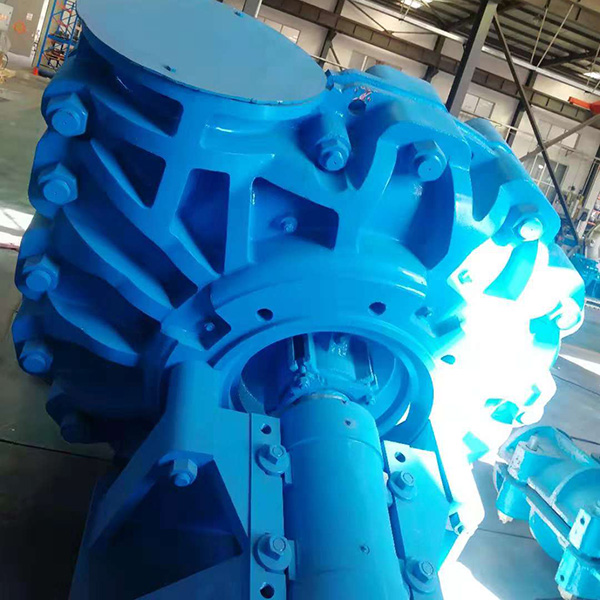
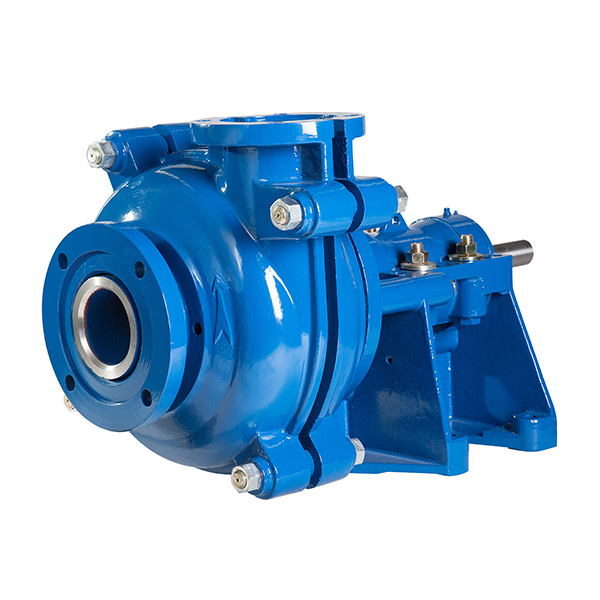
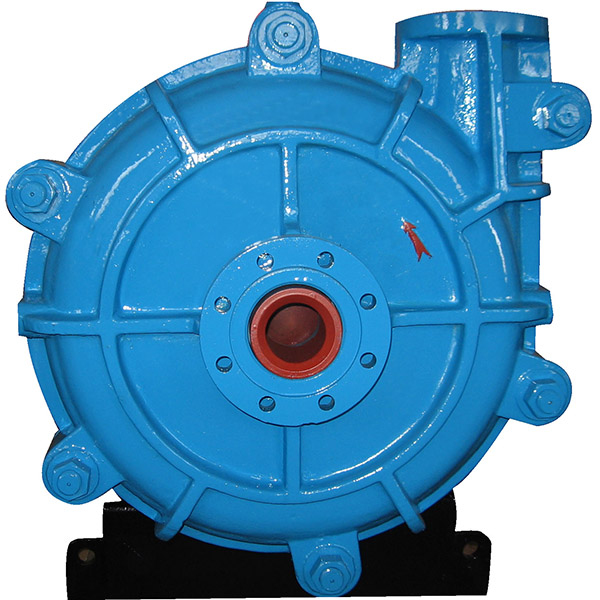
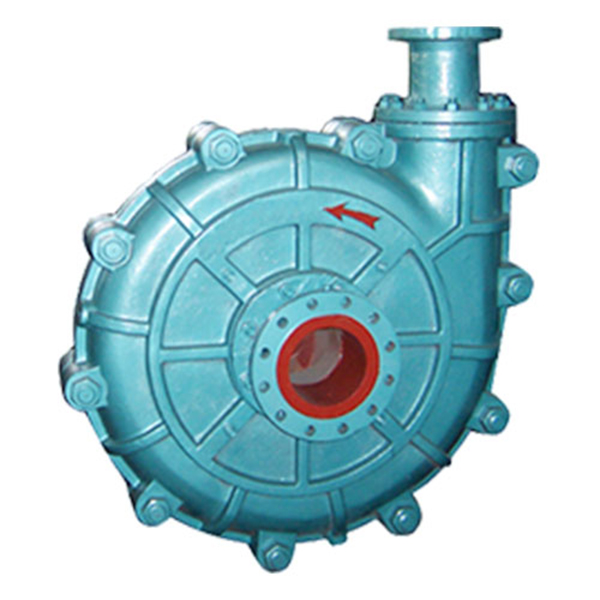
From portable diesel units to industrial-grade ceramic installations, we cover every stage of the mineral lifecycle.

Frequently Asked Questions in Mongolia

Expert answers to common technical challenges in the Mongolian slurry industry.

How do I choose between a ceramic slurry pump and a standard alloy pump for Gobi mining?

For highly abrasive ores with high silica content, a ceramic slurry pump is recommended due to its superior hardness and resistance to erosive wear, significantly extending the mean time between failures.

Can an engine driven slurry pump operate effectively in -30°C Mongolian winters?

Yes, our diesel-powered units are equipped with winterization kits, including block heaters and low-temperature lubricants, ensuring reliable starts and operation in extreme cold.

What is the best pump for lithium brine processing in Mongolia?

A specialized lithium slurry pump featuring corrosion-resistant materials is essential to prevent the chemical degradation of the pump casing and impeller caused by brine salts.

How does a heavy sludge pump differ from a standard water pump for tailings?

A heavy sludge pump is designed with wider clearances and reinforced impellers to handle high-viscosity fluids and large solids without clogging, which a standard pump cannot do.

What maintenance is required for a dirty water slurry pump in industrial zones?

Regular inspection of the wear rings and seals is critical. We recommend a quarterly check-up to ensure that sediment buildup is not reducing the pumping efficiency.

How do I optimize flow rate when pumping high-density ore?

Optimizing the RPM via a variable frequency drive or adjusting the impeller diameter can balance the head pressure and flow rate to prevent settling in the pipeline.

Request Your Custom Pumping Solution

Our engineers are ready to design high-efficiency systems specifically for the mining and industrial challenges of Mongolia.

Contact Us Now
tel
email
tel
goTop

If you are interested in our products, you can choose to leave your information here, and we will be in touch with you shortly.